
Albert Gleizes
Modern Masters Tapestries selection by Didier Marien
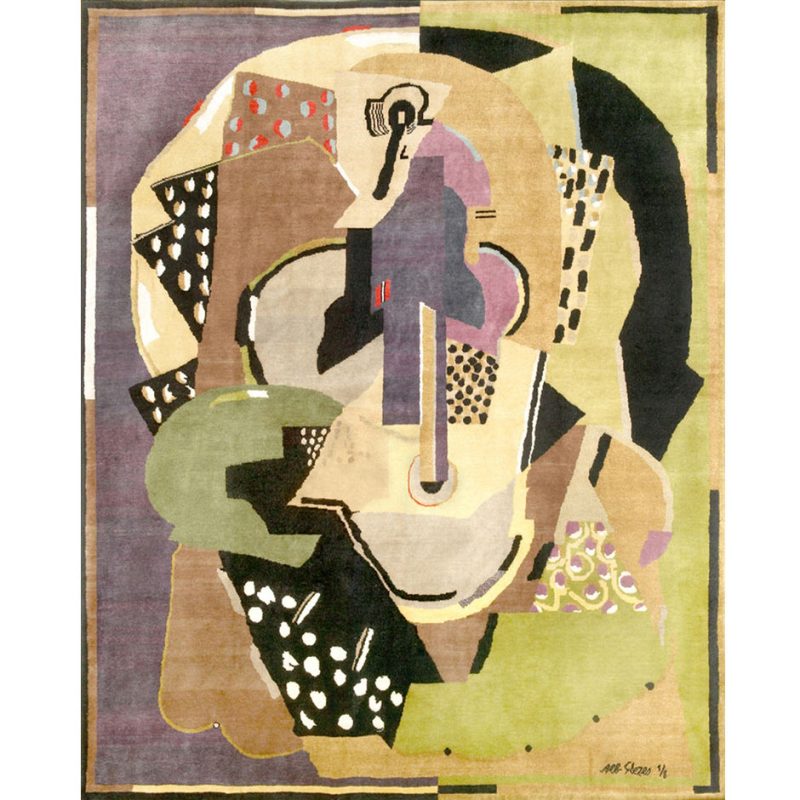

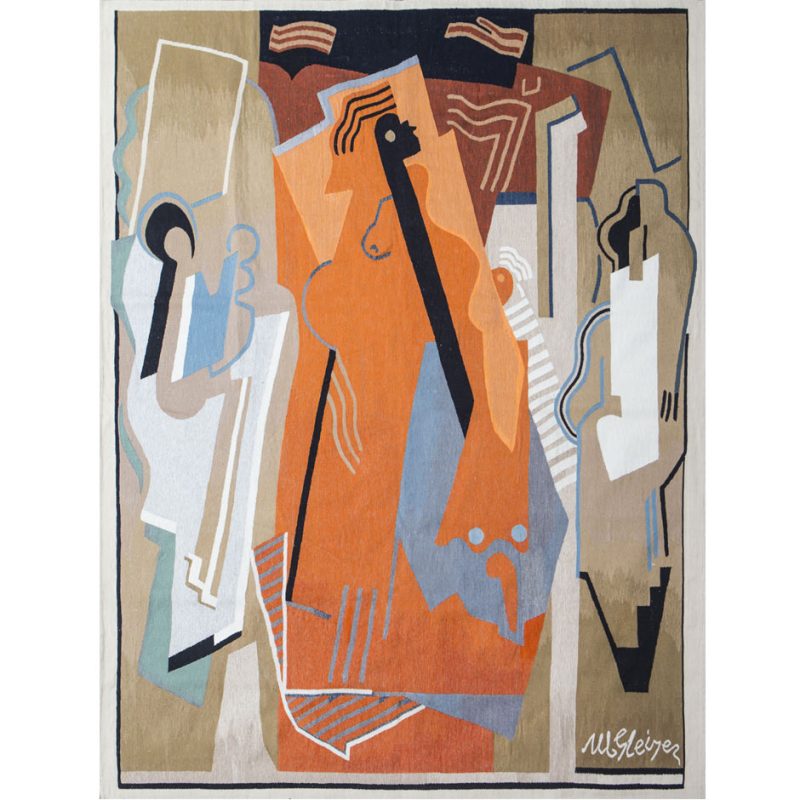
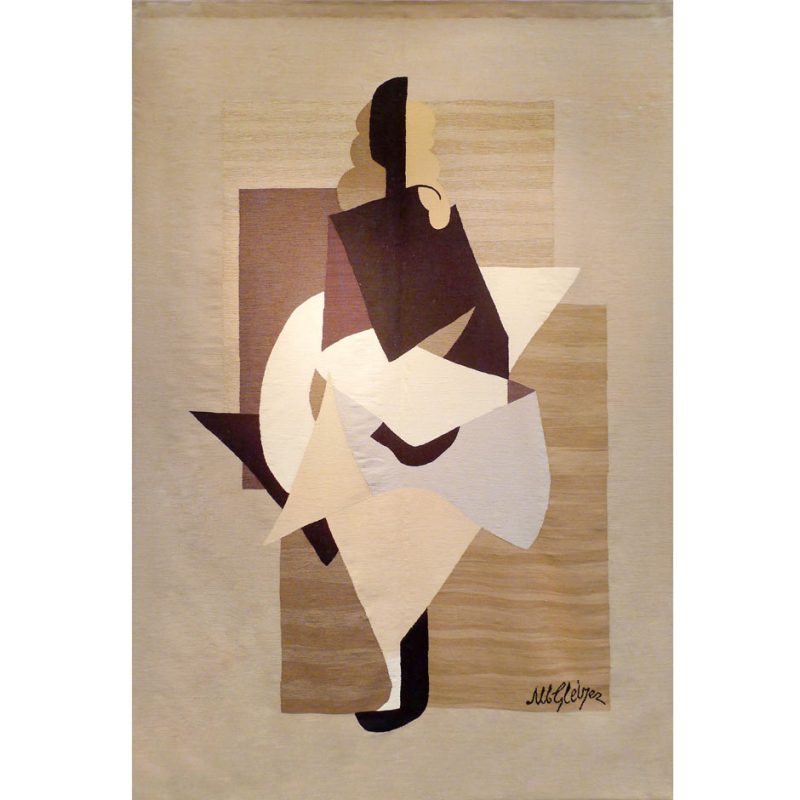
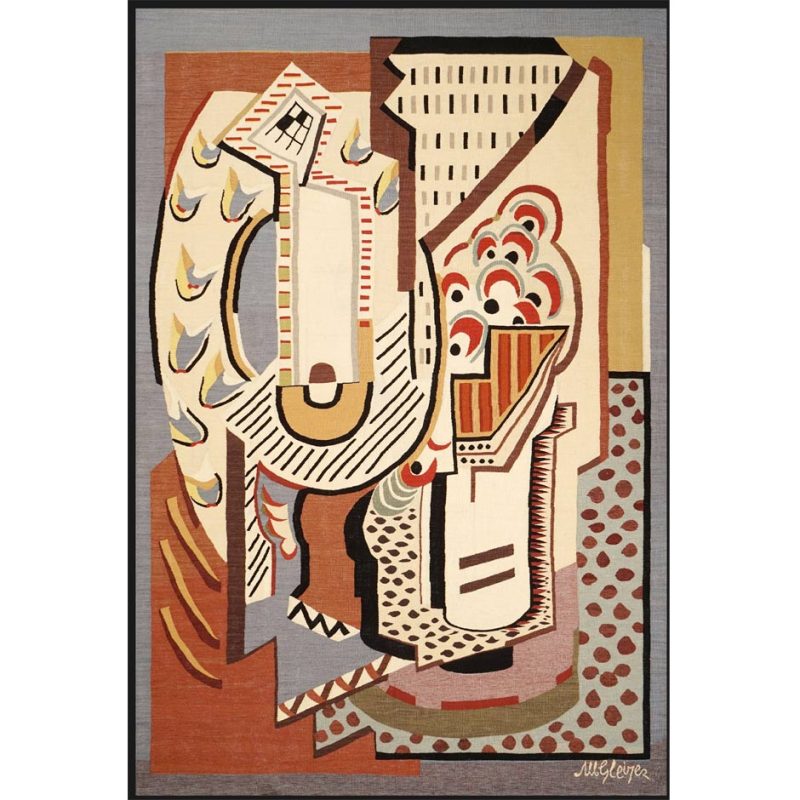
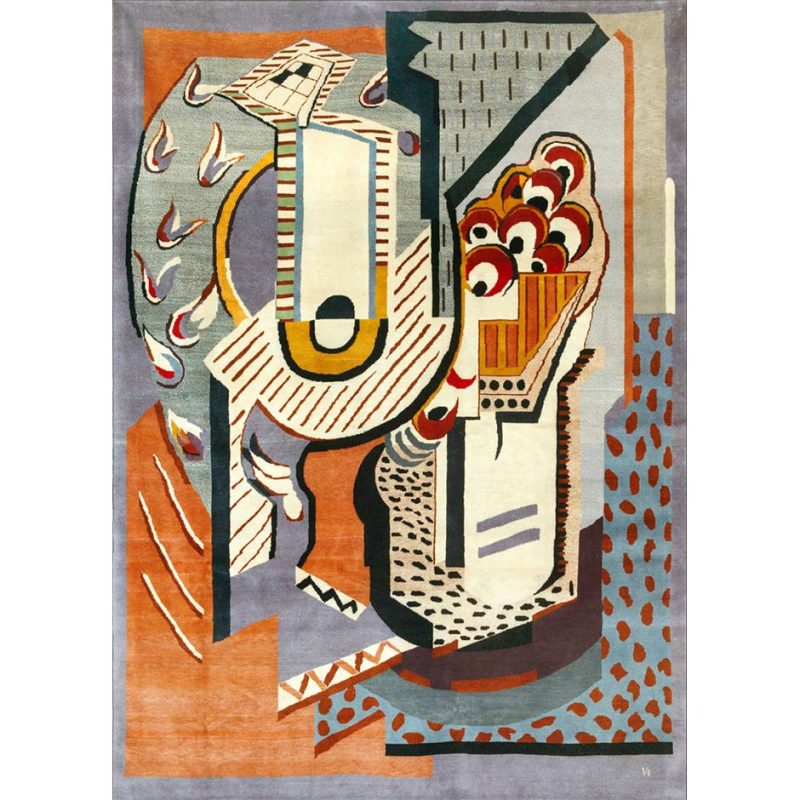
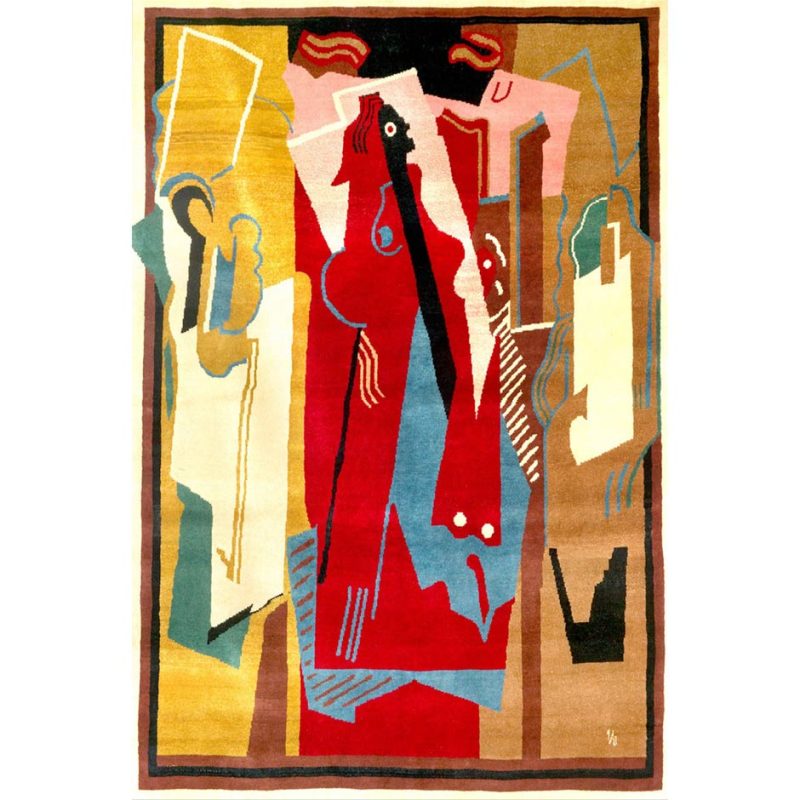
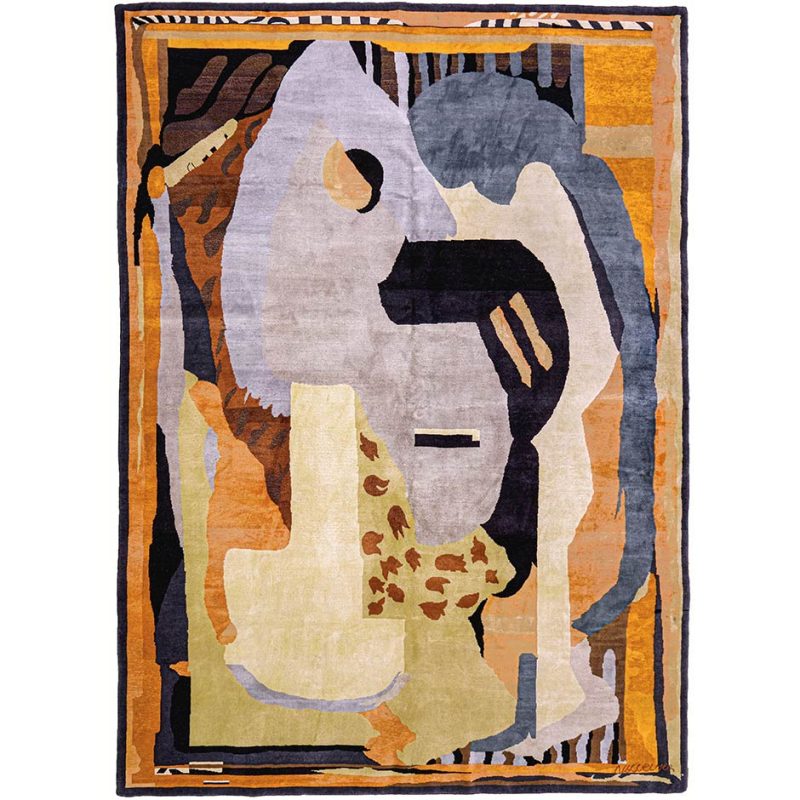
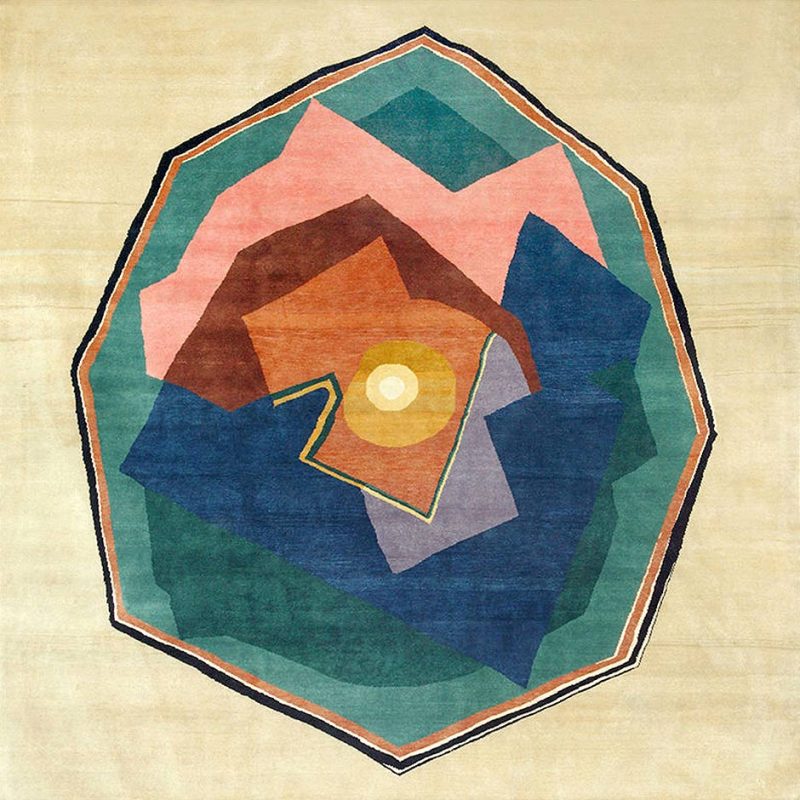

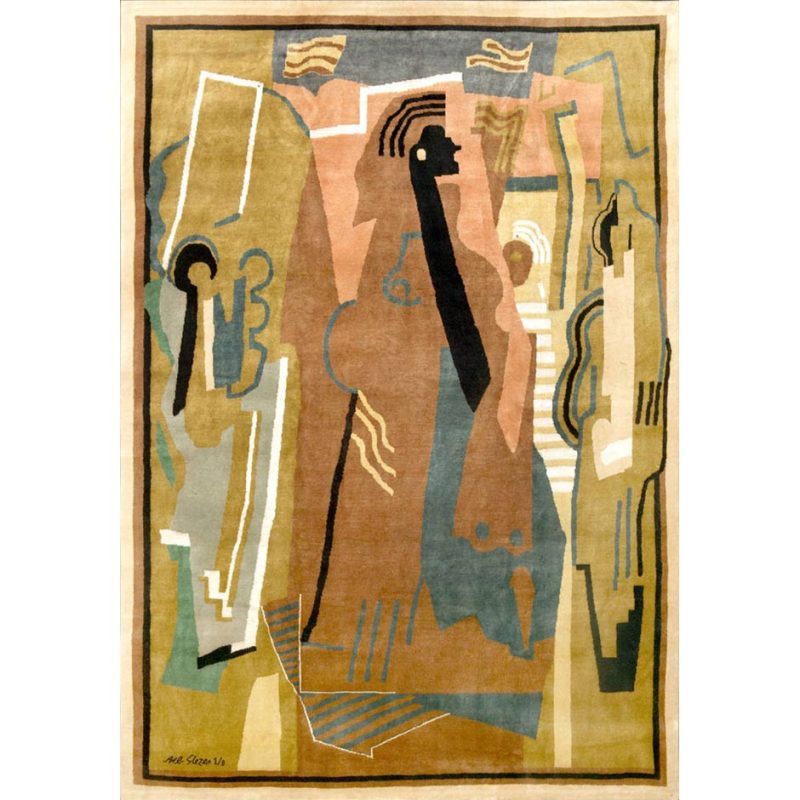
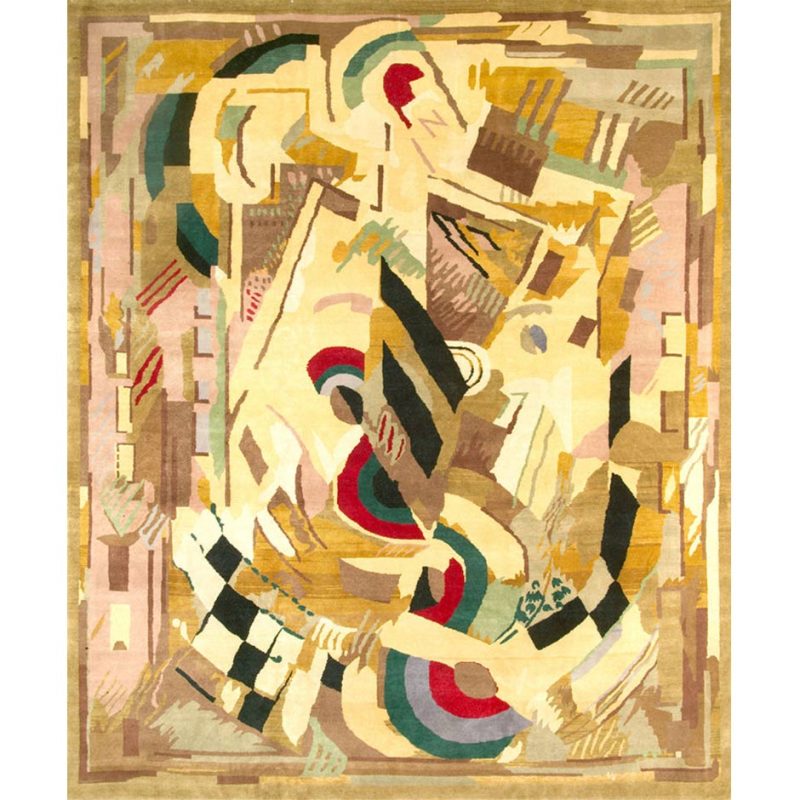
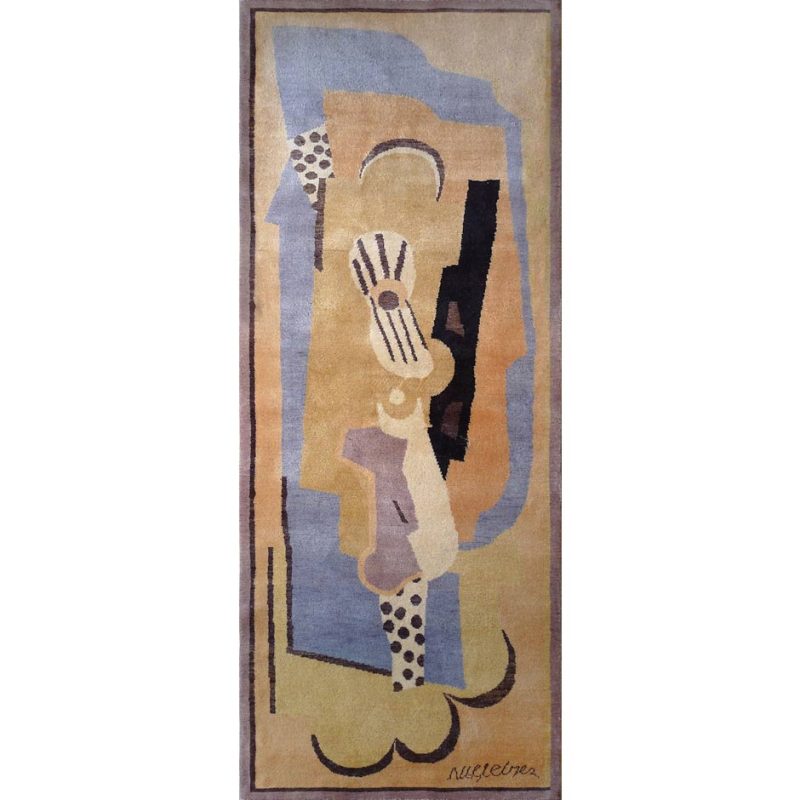
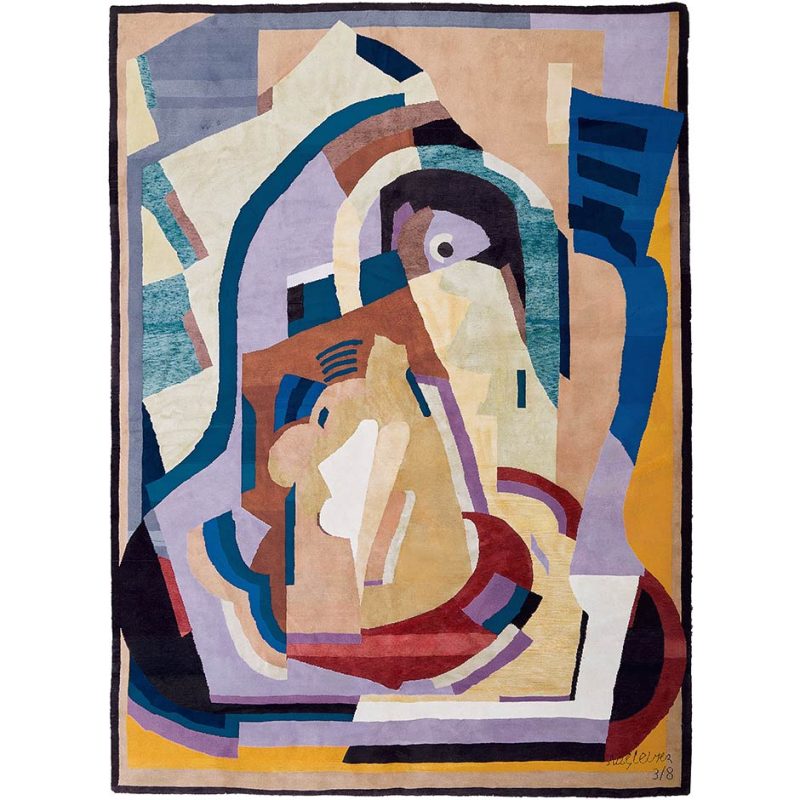

Learn more about the artist
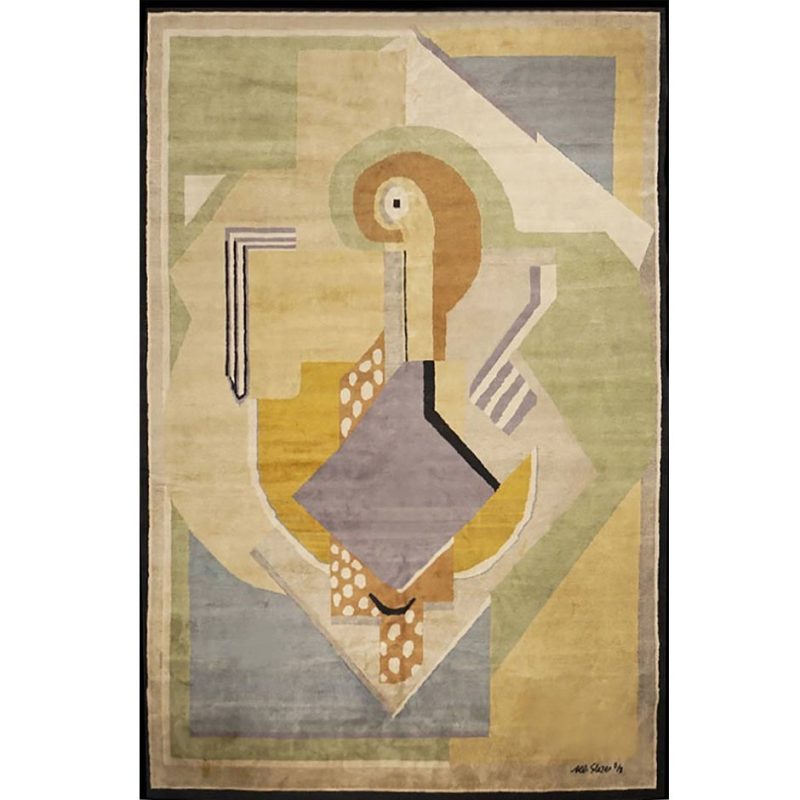
Albert Gleizes Rugs and Tapestries
Albert Gleizes (1881-1953) was a pivotal French artist and art theorist of the 20th century, widely recognized as one of the founders of Cubism. Alongside Jean Metzinger, Gleizes co-authored the seminal treatise “Du “Cubisme”” in 1912, which laid the groundwork for the Cubist movement.
Cubism, with its revolutionary geometry, dynamic forms, and multiple viewpoints, marked a significant departure from traditional Euclidean models of representation. Gleizes and Metzinger asserted that Cubism offered a more accurate representation of the real world, capturing its fluidity and constant state of change. Gleizes eloquently described Cubism as “the normal evolution of an art that was mobile like life itself.”
Rejecting the fragmented, “Impressionism of form” approach favored by Picasso and Braque, Gleizes sought to depict his subjects with a sense of order and truth, utilizing broad, overlapping planes of vibrant color.
Gleizes played a crucial role in the establishment of the Section d’Or group, a collective of artists dedicated to exploring the principles of Cubism. In 1912, he participated in the groundbreaking first exhibition of abstract art in Paris, showcasing his innovative approach to form and color.
Gleizes’s influence extended beyond Cubism, as he was an active member of the Der Sturm movement and a respected figure within the Bauhaus circle. His contributions to the Ecole de Paris years earlier further cemented his impact on the avant-garde art scene.
Gleizes spent four transformative years in New York City, introducing the revolutionary ideas of Cubism and modern art to the American art world.
Throughout the 1920s, Gleizes’s work navigated between the realms of figuration and abstraction. With meticulous observation and study of his subjects, Gleizes refined his compositional techniques, incorporating circular rhythms to enhance the harmony of his paintings.
His focus shifted increasingly towards exploring the inherent harmonies within his subjects, believing that rhythmic harmonies transcended subjective responses and held greater universal appeal.
Albert Gleizes’s Cubism stands out with its distinctive dynamic quality. He endeavored to capture the frenetic energy and rhythm of modern life, the clamor and movement of contemporary machinery, and the rapid advancements of technology.
Gleizes’s art strikes a compelling balance between intricate harmony, profound artistic thought, and a remarkable clarity of expression. The renowned avant-garde poet and art critic Guillaume Apollinaire eloquently captured the essence of Gleizes’s artistry: “Greatness is what primarily characterizes the art of Albert Gleizes. He brought an innovative movement to contemporary art, a quality that few artists had before him. This greatness awakens the imagination and fantasy, although he uses very simple figurative means.”
Albert Gleizes’s contributions to the art world extended beyond his paintings. He was an active member of the Society of Independent Artists, founder of the Ernest-Renan Association, and a founding participant in the Abbaye de Créteil. He regularly exhibited his works at Léonce Rosenberg’s Galerie de l’Effort Moderne in Paris and played a pivotal role in establishing Abstraction-Création, an influential avant-garde art group.
From the mid-1920s to the late 1930s, Gleizes dedicated a significant portion of his creative energy to writing, producing notable works such as “La Peinture et ses lois” (Paris, 1923), “Vers une conscience plastique: La Forme et l’histoire” (Paris, 1932), and “Homocentrisme” (Sablons, 1937).