
Arman
Modern Masters Tapestries selection by Didier Marien
Learn more about the artist
Arman Tapestries and Rugs
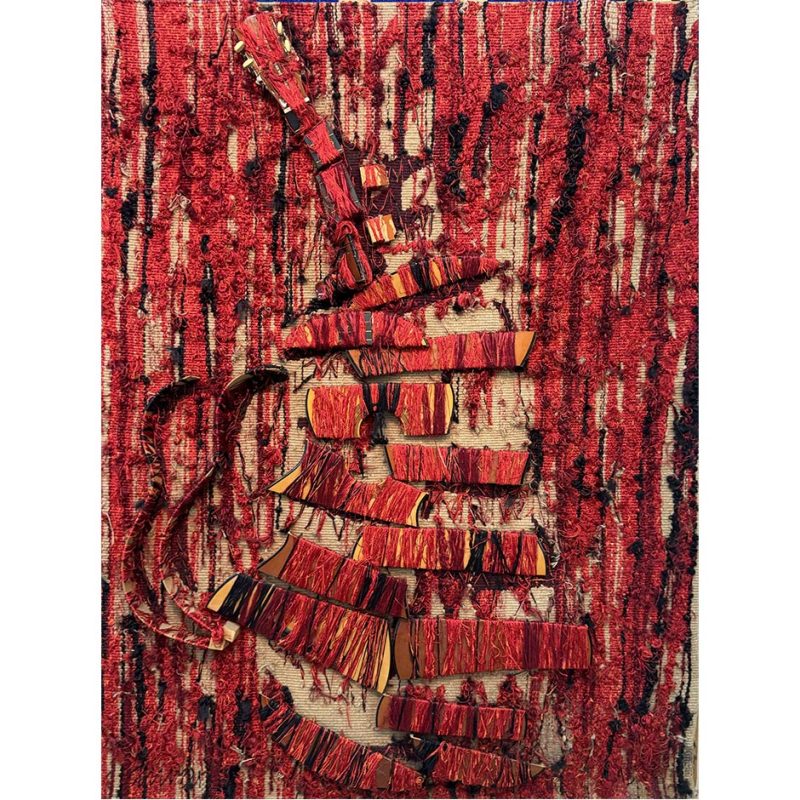
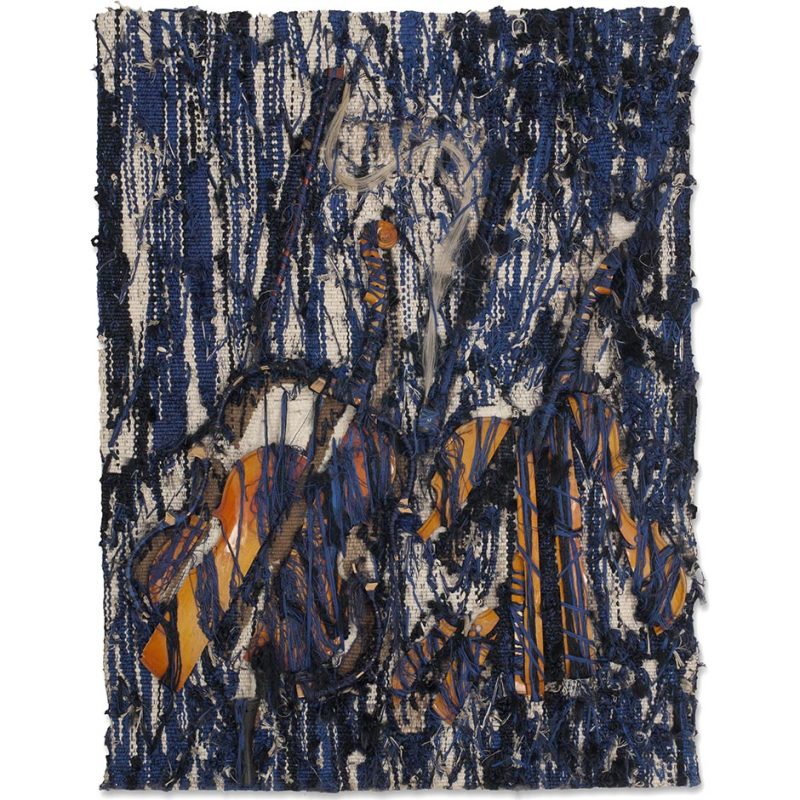
The Modern Masters Tapestries is thrilled to showcase a captivating collection of tapestries woven after the works of Arman.
Arman, born Armand Fernandez (1928-2005), was a prominent French artist who left a lasting mark on the art world with his innovative “accumulations.” While he experimented in various mediums, Arman’s signature style involved assembling mass-produced objects into sculptures, imbuing them with new meaning and prompting viewers to contemplate consumerism and modern society.
Early Life and Artistic Influences
Born in Nice, France in 1928, Arman demonstrated artistic talent early on. After studying philosophy at the Sorbonne University in Paris, he immersed himself in the city’s vibrant art scene. Befriending fellow artists Yves Klein and François Dufrêne, Arman was heavily influenced by the Dada and Surrealist movements, both known for their rejection of artistic norms.
The New Realism Movement
In 1960, Yves Klein co-founded the New Realism movement in Paris. This movement celebrated the ordinary and challenged traditional artistic boundaries by incorporating everyday objects and industrial materials into artworks. Arman, alongside other New Realists, played a key role in blurring the lines between high art and popular culture.
Arman’s Accumulations
Arman’s signature technique, the accumulation, involved assembling mass-produced objects – musical instruments, tools, household items – in dense and often chaotic configurations. These accumulations created a sense of abundance and excess, prompting reflection on consumerism and the ever-growing amount of “stuff” in modern society. By capturing ordinary objects in a new light, Arman imbued them with a new artistic significance.
Beyond Accumulations
While accumulations are his most recognizable works, Arman also experimented with other mediums. His “colères” involved violently smashing musical instruments, particularly violins, and then arranging the broken pieces. He also produced “cachets-colères” by using the smashed instruments to create unique imprints on paper. These works explored the concept of chance and the impermanence of objects in a consumerist society.
Legacy
Arman’s innovative approach to sculpture continues to influence contemporary artists. His accumulations remain a powerful commentary on consumerism and the ever-changing nature of our relationship with objects.