
Fernand Léger
Modern Masters Tapestries selection by Didier Marien
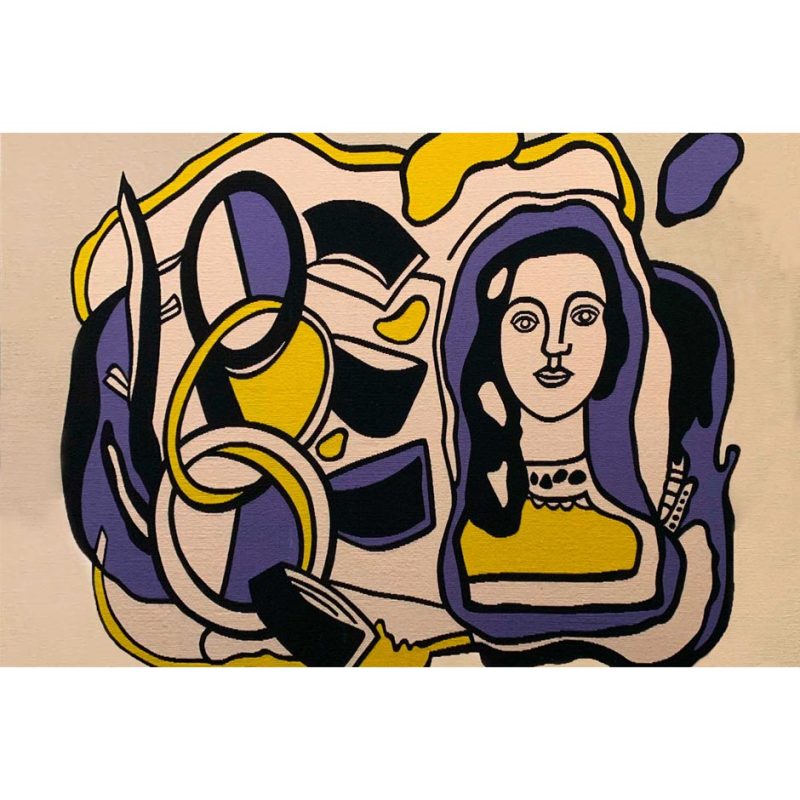


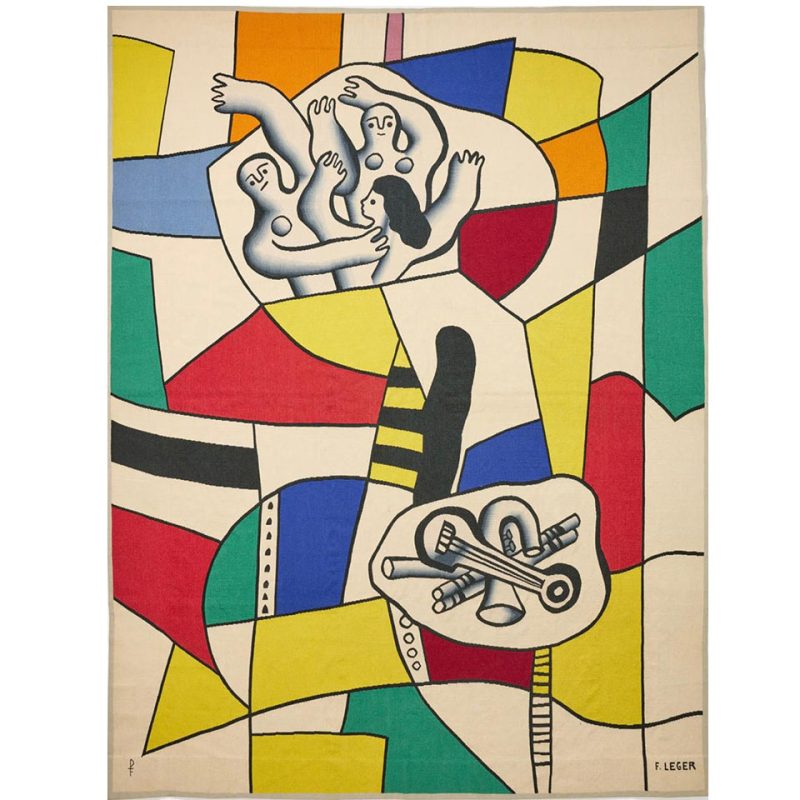
Learn more about the artist
Fernand Léger Tapestries and Rugs
The Modern Masters Tapestries Gallery proudly showcases a significant portion of its collection dedicated to the works of Fernand Léger, an artist whose revolutionary approach to art and design continues to inspire and influence contemporary artists. Didier Marien, the gallery’s director, has long been an ardent admirer of Léger’s work, recognizing his profound impact on the evolution of modern art.
Léger’s tapestries are characterized by a bold and graphic use of line, a fascination with the imagery of machines and technology, and a unique treatment of human figures that often appear devoid of facial features. This distinctive style, often referred to as “tubism” due to Léger’s frequent use of tubular shapes, reflects his unwavering fascination with the dynamism and energy of modern life.
Born in Argentan, France, in 1881, Fernand Léger embarked on his artistic journey as an apprentice architect in Caen. His initial foray into art involved drawing and illustration, but it was during his studies at the École des Arts Décoratifs in Paris that Léger encountered Impressionism and Fauvism, movements that left a lasting impression on his artistic sensibility.
The year 1907 marked a pivotal turning point in Léger’s artistic development. At the Salon d’Automne, he encountered the works of Paul Cézanne, a revolutionary artist who paved the way for Cubism. Inspired by Cézanne’s emphasis on form and structure, Léger began to incorporate Cubist elements into his own work.
Throughout the 1920s, Léger’s artistic output flourished. He received numerous commissions, expanding his creative horizons beyond painting to include set designs, book illustrations, and films. His fascination with machinery and the frenetic rhythm of modern life became increasingly evident in his work, as he incorporated mechanical elements and bold geometric forms into his compositions.
In the late 1920s, Léger emerged as a pioneer in the realm of textile design, creating cartoons specifically intended for tapestry production. His collaboration with Marie Cuttoli, a renowned tapestry workshop in Aubusson, France, resulted in a series of remarkable tapestries that continue to captivate audiences with their vibrant colors and dynamic compositions.
Léger’s first major solo exhibition took place in 1935 at the Museum of Modern Art in New York City. This international recognition further solidified his position as a leading figure in modern art, and his works found favor among prominent American collectors.
In 1940, as the threat of World War II loomed, Léger sought refuge in the United States, establishing himself in New York City. During his time in exile, he continued to paint and teach, influencing a generation of American artists with his innovative approach to art.
Upon his return to France in 1945, Léger continued to explore his artistic vision, embracing a more figurative style that reflected his interest in depicting the lives of ordinary people. He also actively engaged in social and political causes, aligning himself with the Communist Party and advocating for the rights of workers.
Throughout his career, Léger consistently pushed the boundaries of artistic expression, exploring new techniques and themes that reflected the changing world around him. His bold use of color, his fascination with modern technology, and his unique treatment of human figures continue to inspire and challenge contemporary artists, solidifying his legacy as a pioneer of modern art.