
Modern Tapestries
Modern Masters Tapestries presents a rare and carefully curated collection of modern tapestries by iconic 20th-century artists, including Alexander Calder, Sonia Delaunay, Joan Miró, Bernard Cathelin, Georges Braque, and Man Ray. These groundbreaking artists collaborated with master cartoonists and weavers in Aubusson and Parisian workshops – such as Atelier Pinton, Atelier Tabard and Atelier 3 – to transform their most iconic compositions into monumental woven masterpieces. Led by founder, curator and collector Didier Marien, Modern Masters Tapestries has become a leading authority in the field. Each tapestry in our gallery reflects the bold innovation that defined the modern art movement, offering a unique fusion of fine art and textile design.
In the early 20th century, these tapestries were often exhibited alongside the original artworks that inspired them—sometimes even commanding higher prices. Today, they are celebrated as significant contributions to both modern art and the decorative arts. Modern Masters Tapestries showcases these exceptional works at major international fairs such as The Winter Show, London Treasure House Fair, Salon Art + Design, and Design Miami, helping to reestablish the place of tapestry within the canon of modern art. Explore Modern Masters Tapestries’ exclusive collection and discover the timeless beauty of modern tapestries, woven expressions of modernism at its finest.
Alexander Calder
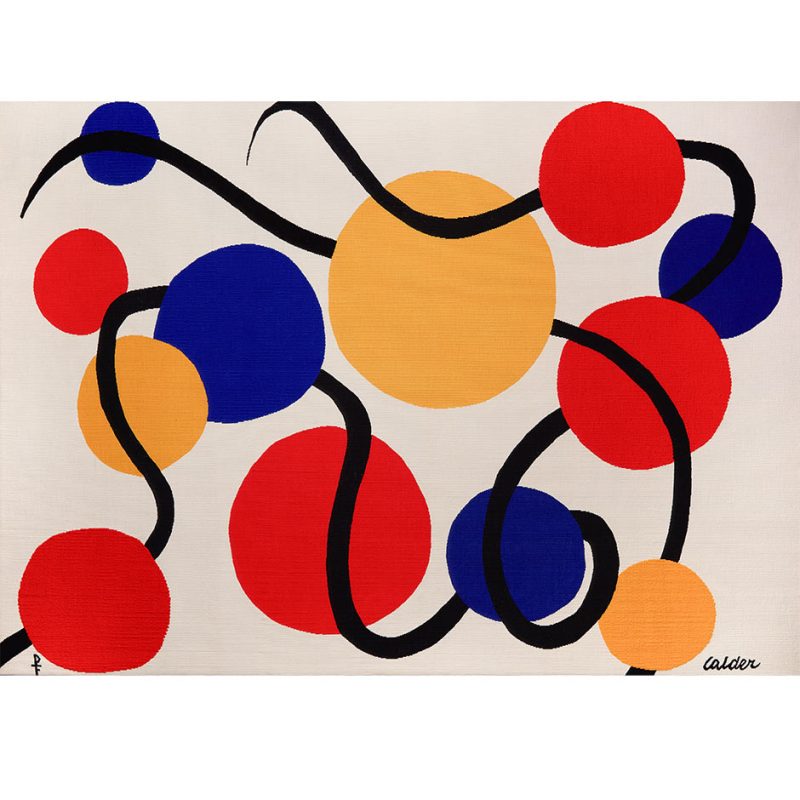
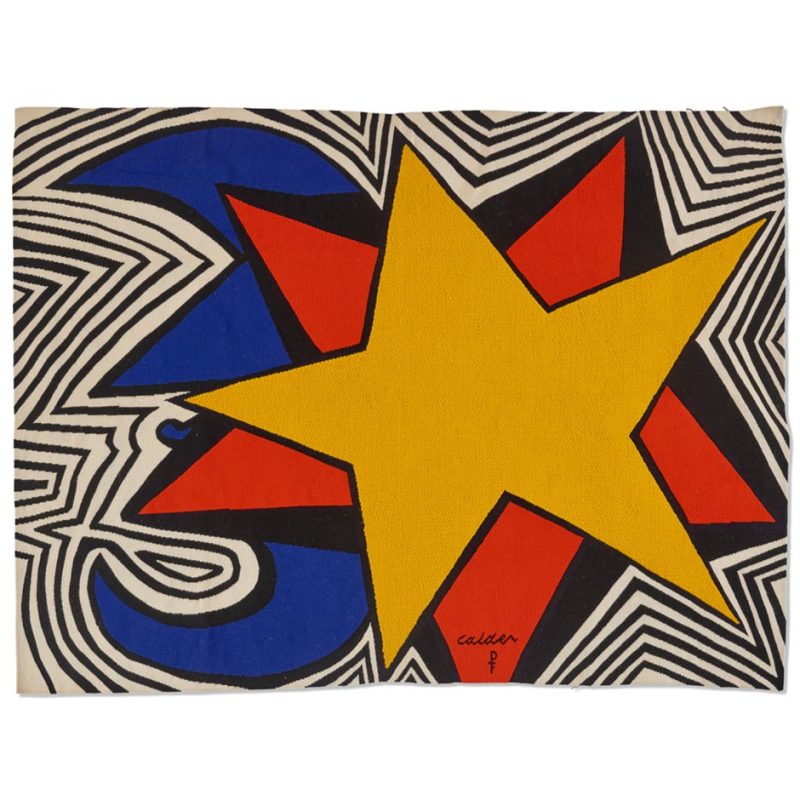
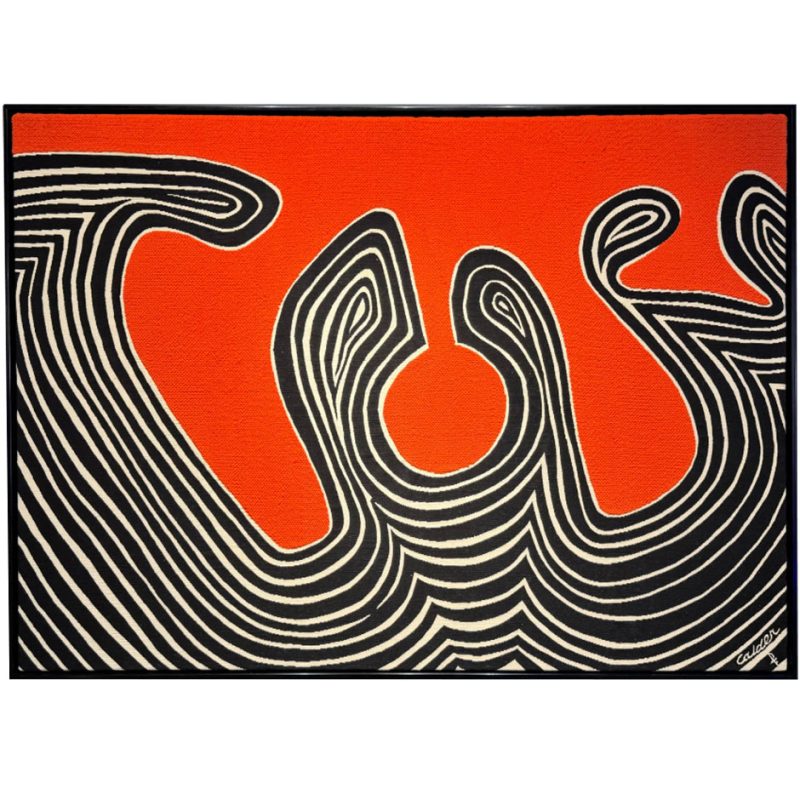
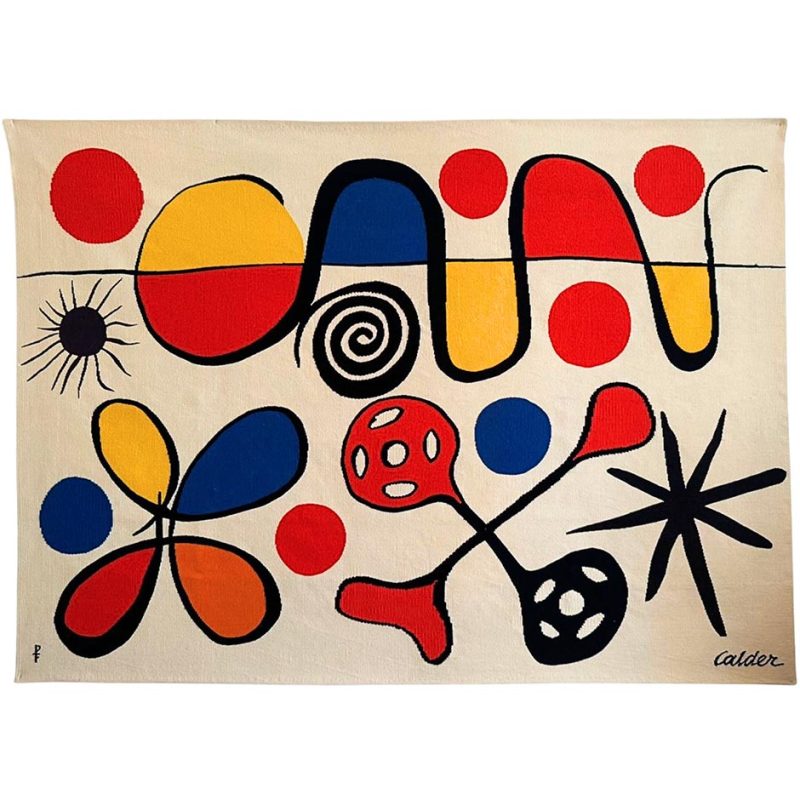
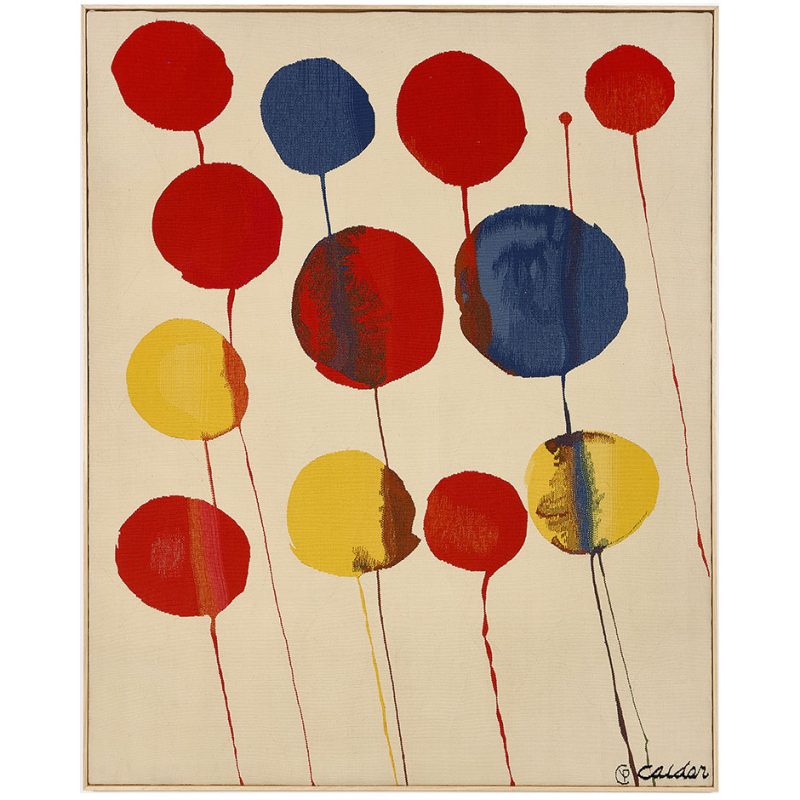
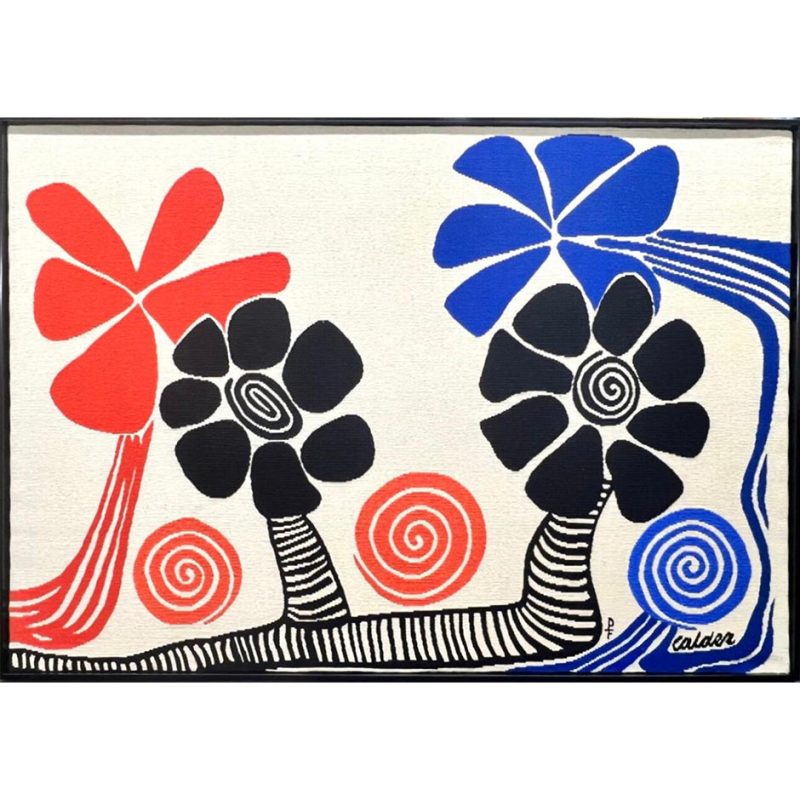
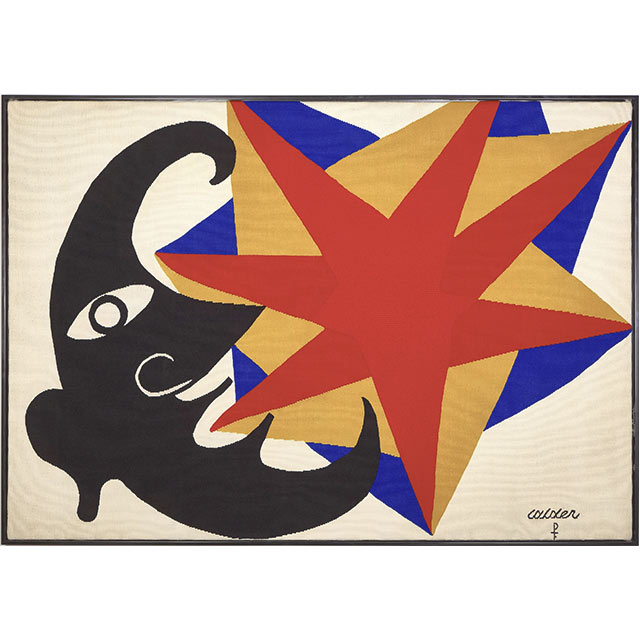
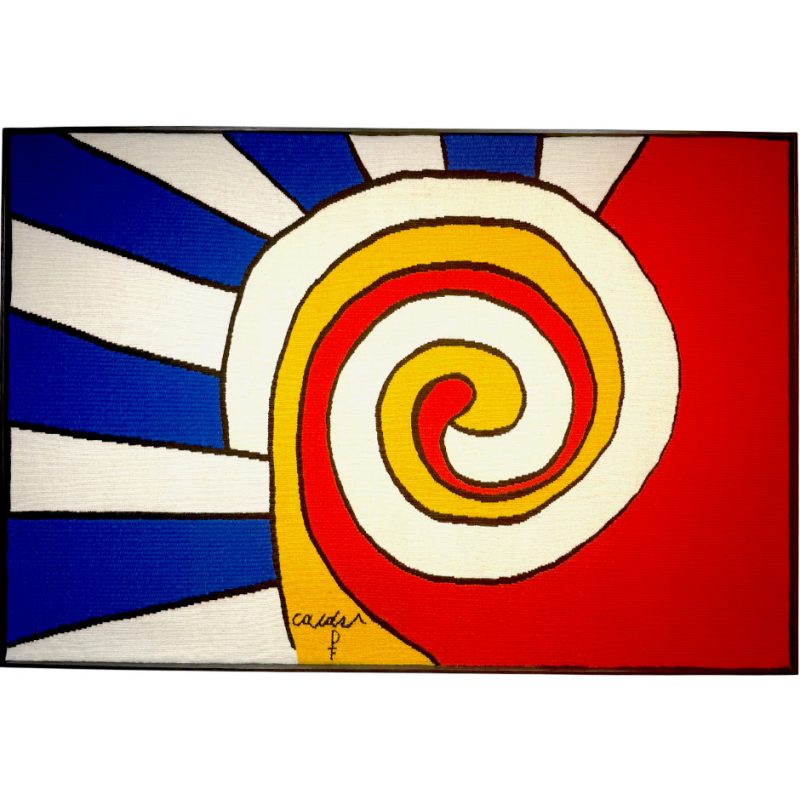
One of the most influential figures in modern art, Alexander Calder brought movement, balance, and bold abstraction into everything he touched, including tapestry. Modern Masters Tapestries represents some of Calder’s most important tapestry masterpieces, each carrying the same sense of balance, movement, and bold color found in his mobiles and paintings. His designs were woven in the historic Aubusson region by ateliers such as Pinton, translating his graphic forms into rich wool compositions that retain Calder’s playful yet precise visual rhythm. Because of their limited production and museum-level importance, Alexander Calder’s tapestries are among the most sought-after works in modern tapestry art. They offer a rare way to experience Calder’s unique sense of motion in textile form.







Sonia Delaunay
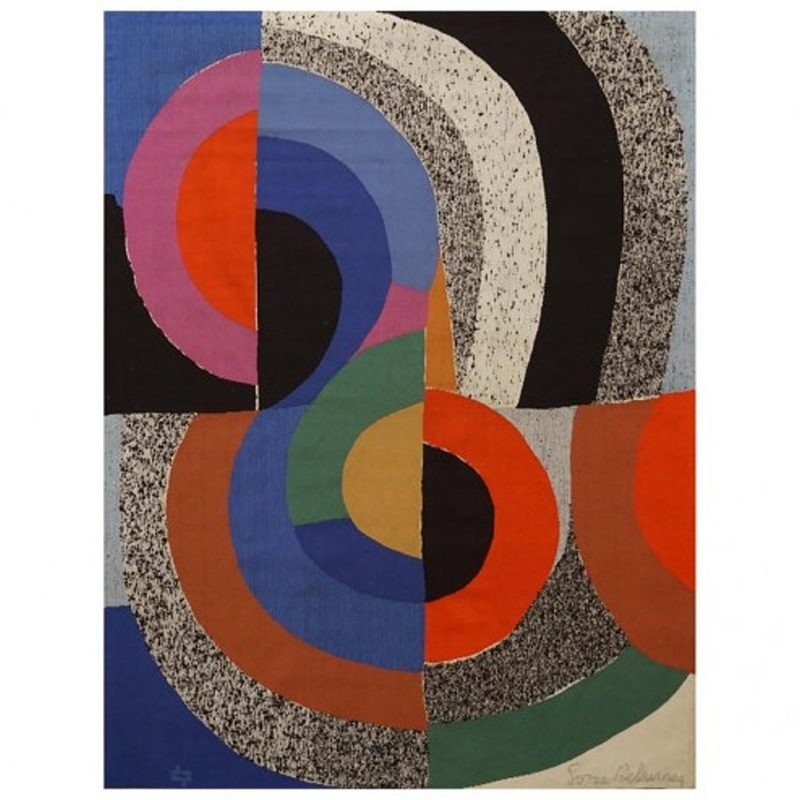
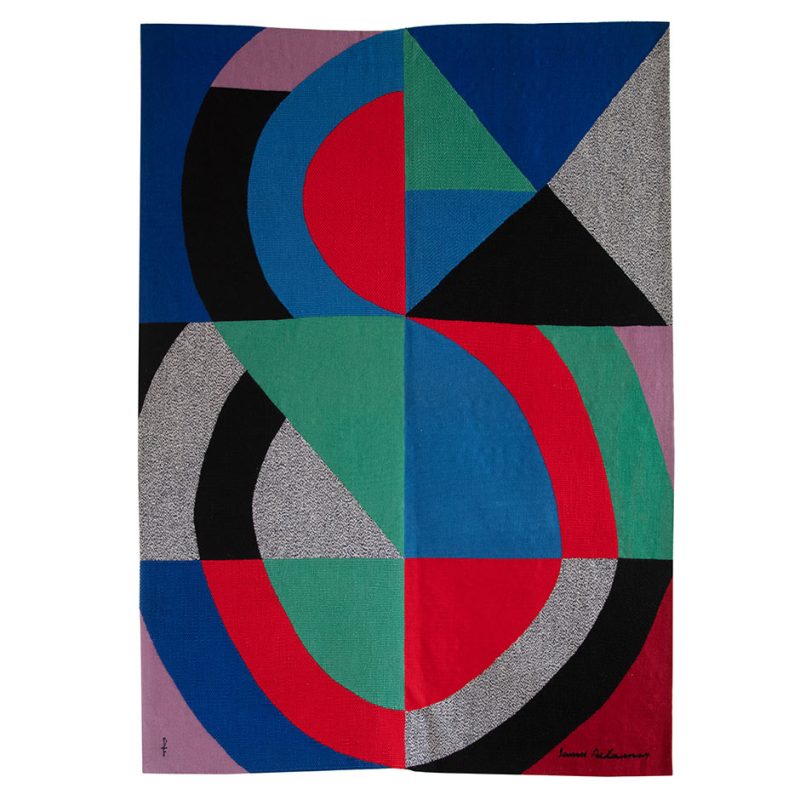
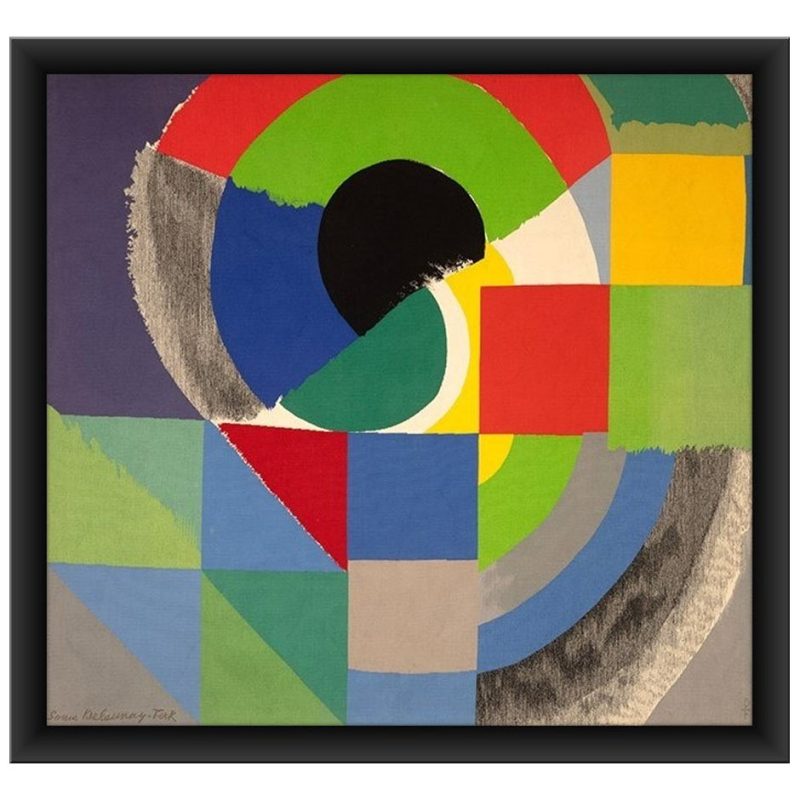
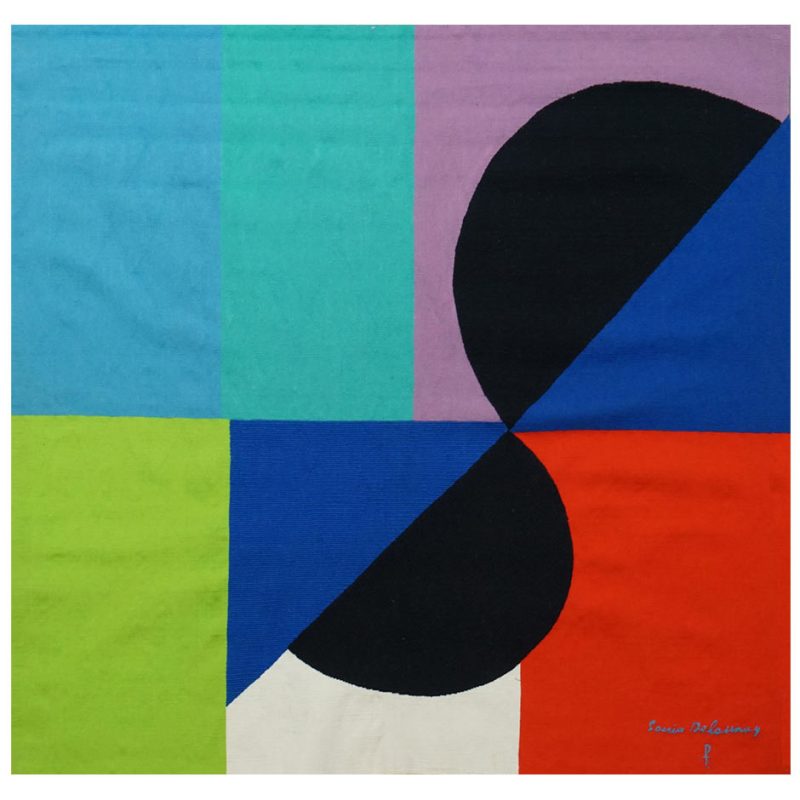
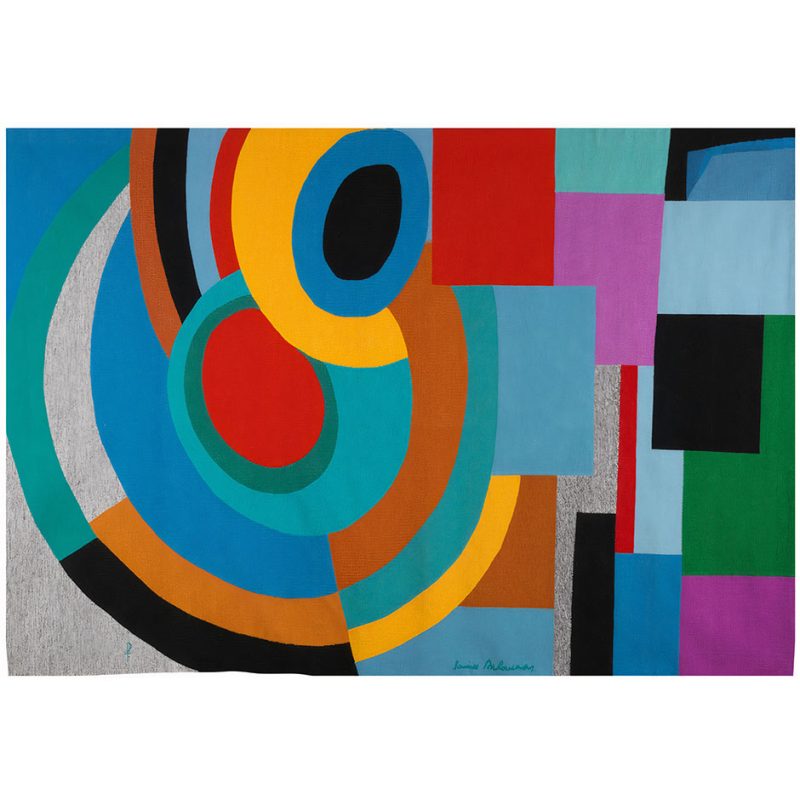
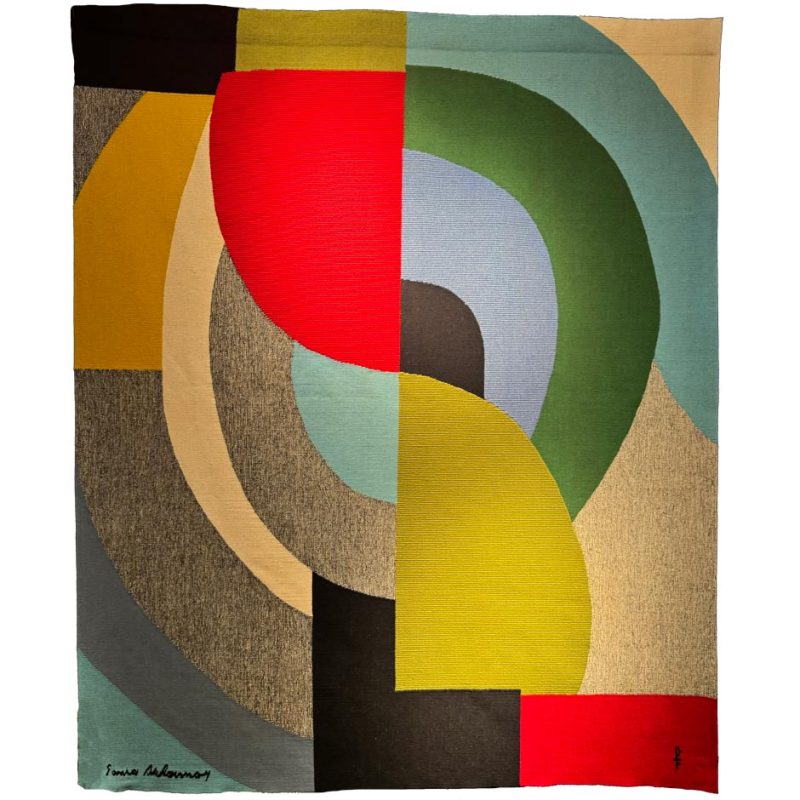
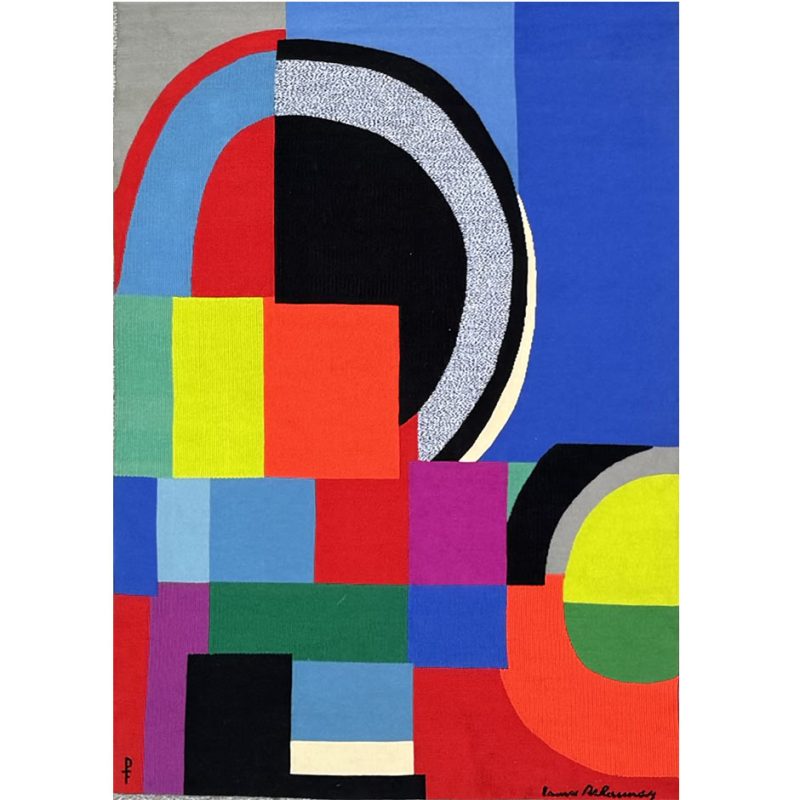
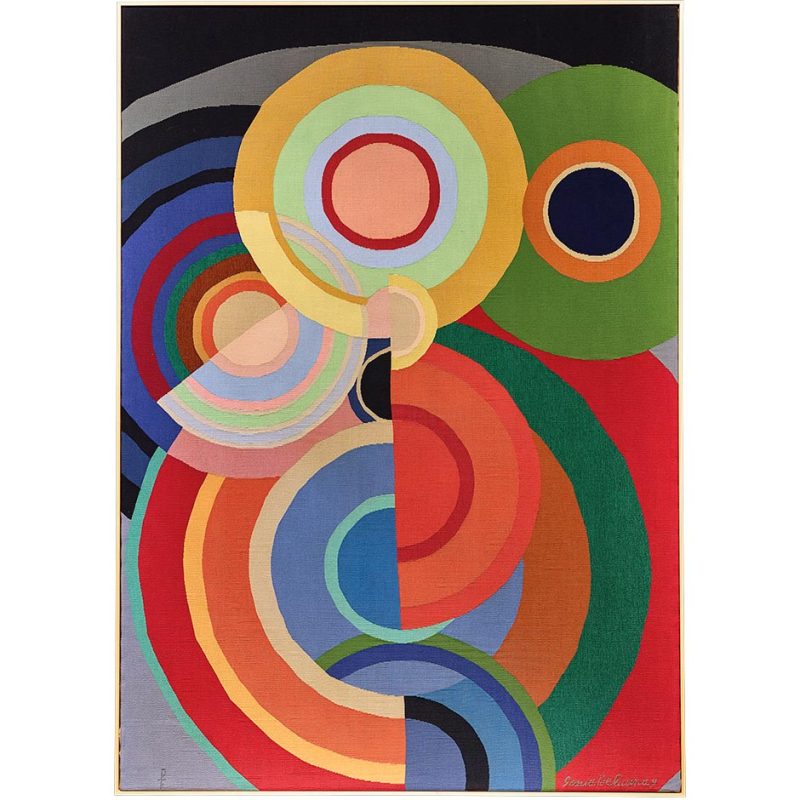
Color was never just decoration for Sonia Delaunay, it was the engine of her entire artistic vision. She was a founder of Orphism and a pioneer of modern abstraction, and her tapestry creations are among the most important works in textile art of the 20th century. The Delaunay tapestries presented by Modern Masters Tapestries embody her theory of simultanéisme, where bold color and geometric form create rhythm and movement across the woven surface. Designed primarily in the later years of her career, these pieces were handwoven in the historic Aubusson region, most notably by Atelier Pinton. Delaunay did not just adapt her paintings, she created designs specifically for wool, using texture and color as her materials. These designs feel both monumental and alive, translating her modern art into a tactile, architectural form. Because they were produced in limited editions and represent the culmination of her vision, Delaunay’s tapestries are highly sought after by collectors, institutions and museums alike.





Joan Miró
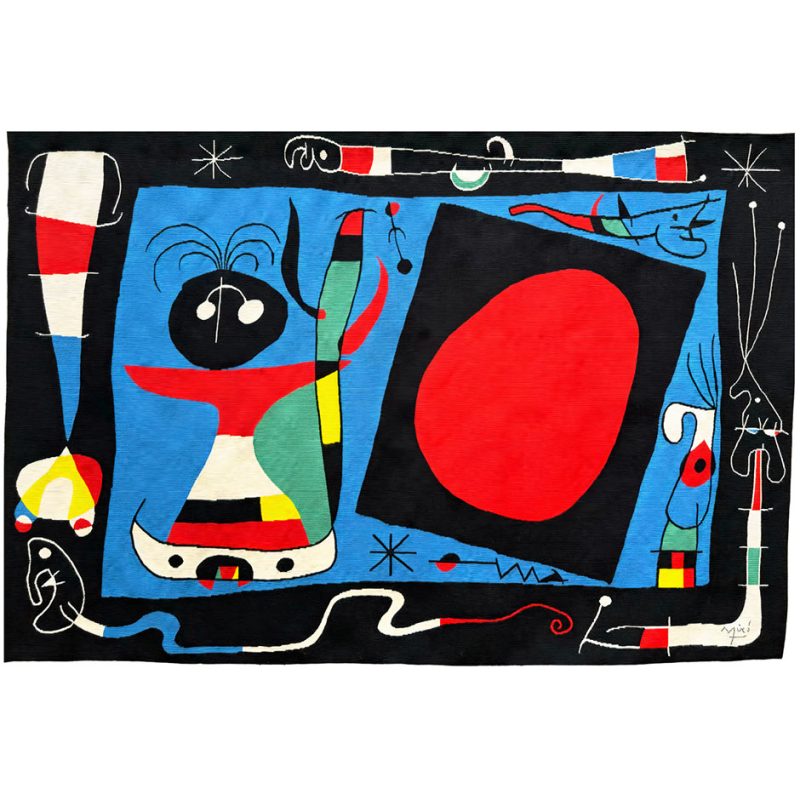
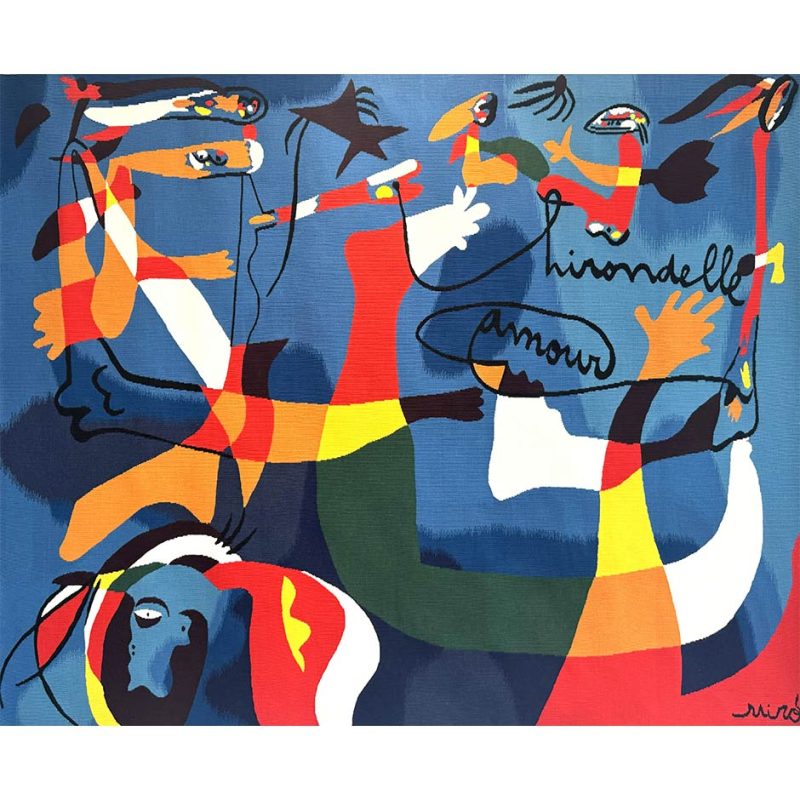
Joan Miró was one of the most imaginative figures of modern art, known for his surreal, poetic visual language filled with floating shapes, symbols, and bold color. At Modern Masters Tapestries, Miró’s modern tapestries capture the same playful freedom and expressive energy found in his paintings and drawings. Miró was deeply interested in textile as a medium, and his designs translate naturally into woven form. Some of the tapestries in this collection were produced after his lifetime with the approval of his family and the French government, and woven by Atelier Pinton in the historic Aubusson tradition. These modern tapestries preserve Miró’s sense of movement, fantasy, and visual rhythm in a tactile, monumental format. They stand as some of the most meaningful modern tapestry works connected to his artistic legacy.
Man Ray
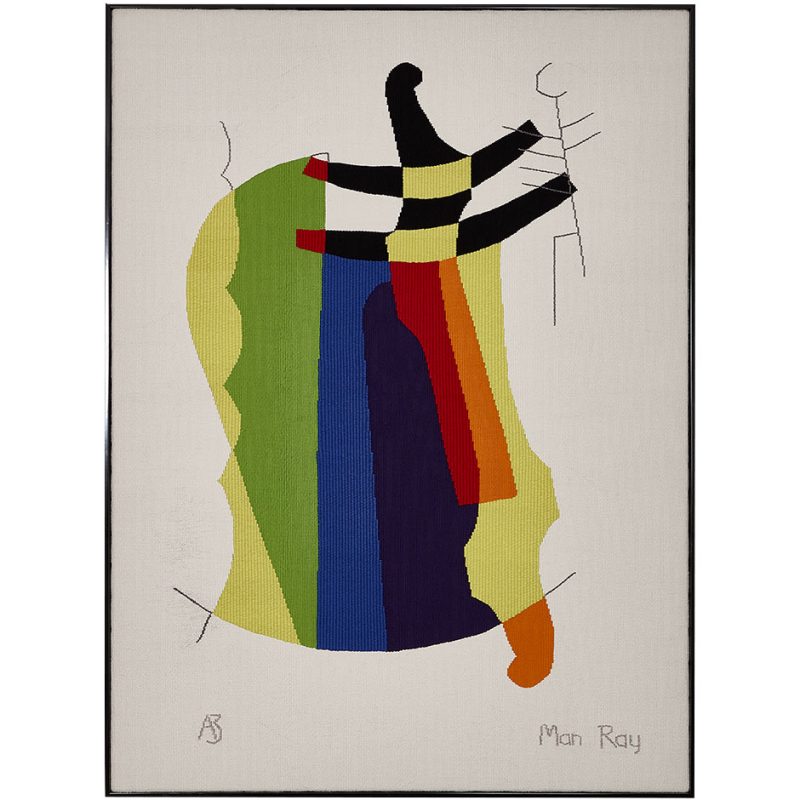
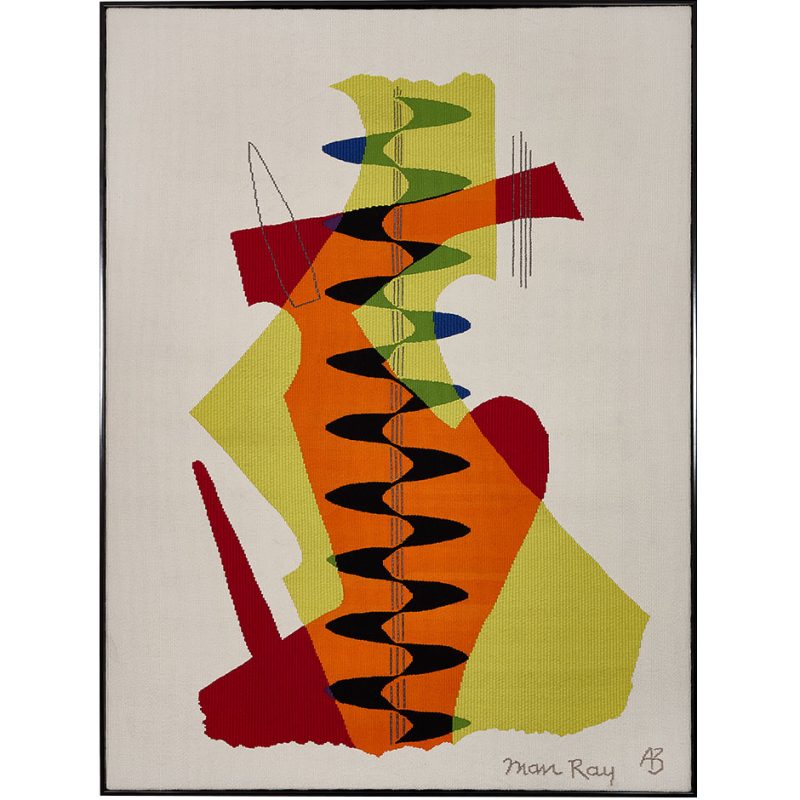
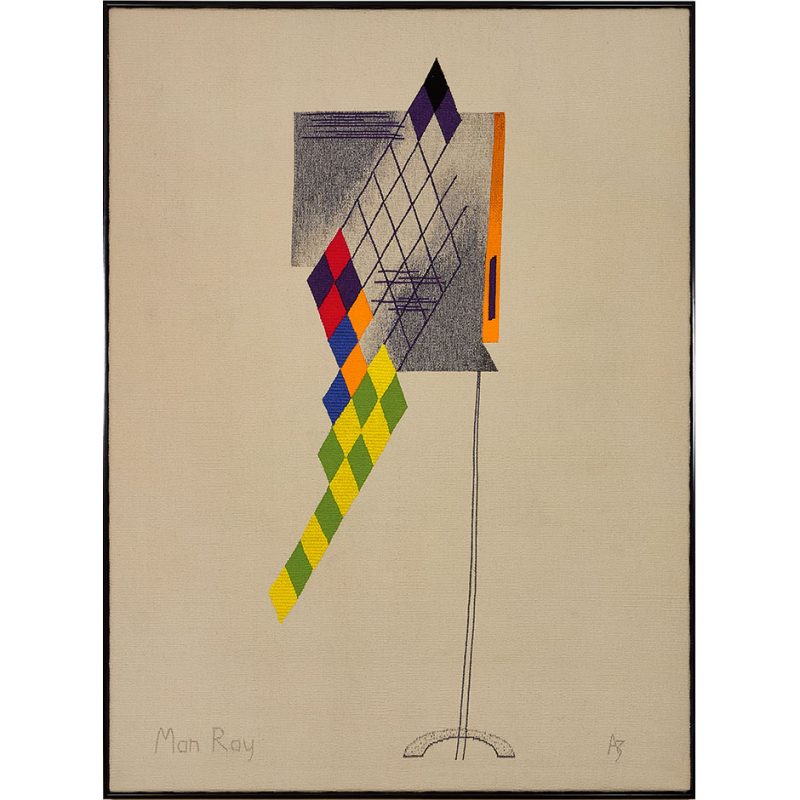
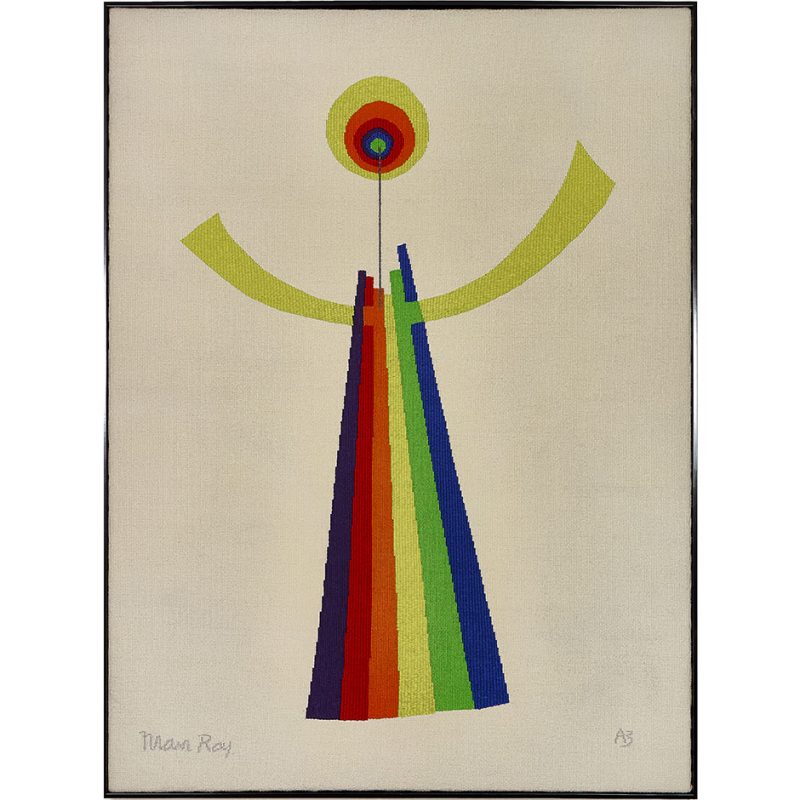
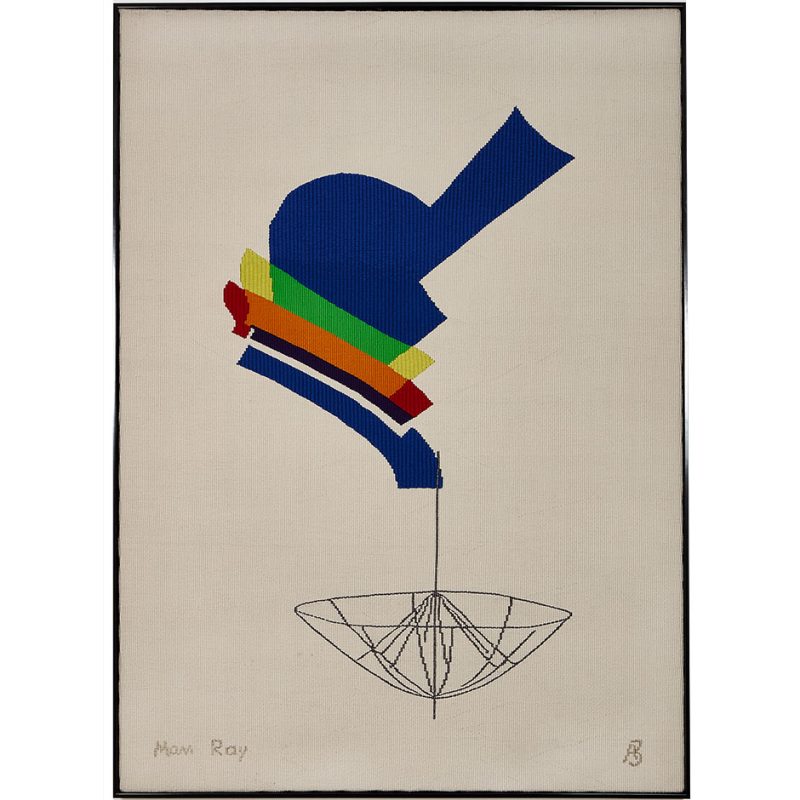
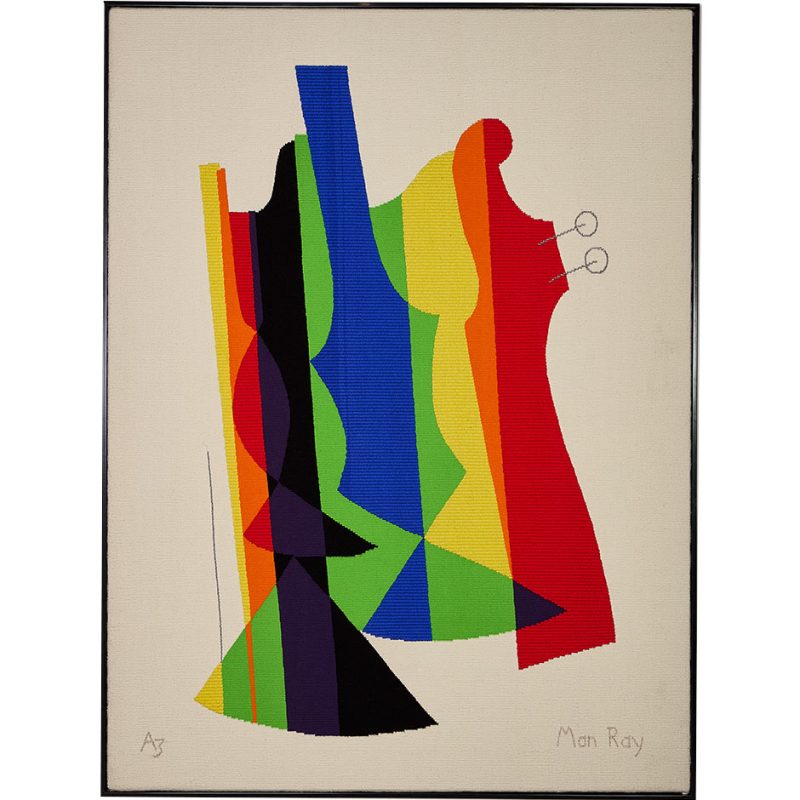
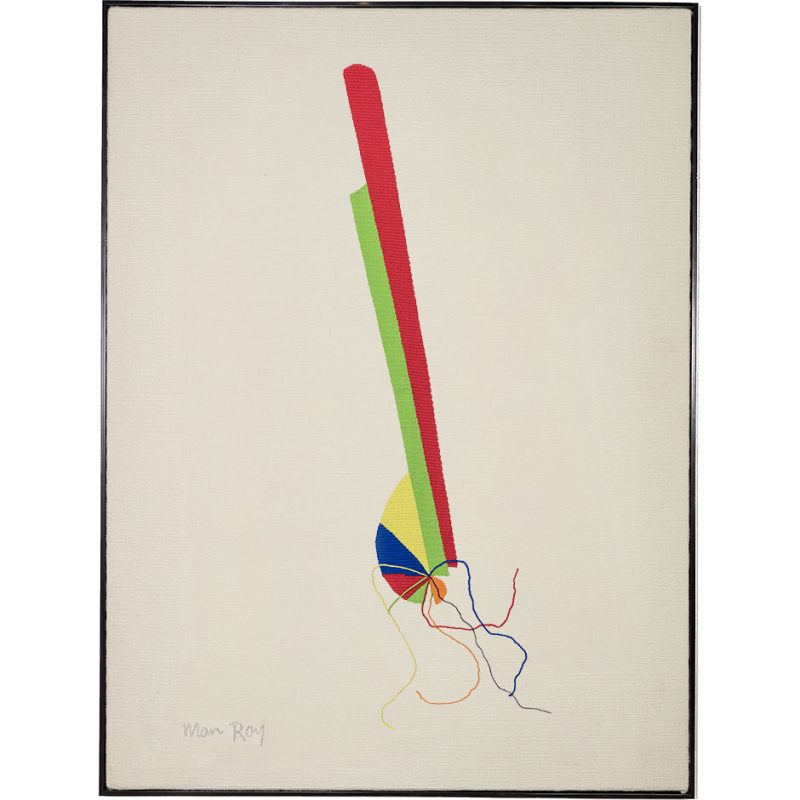
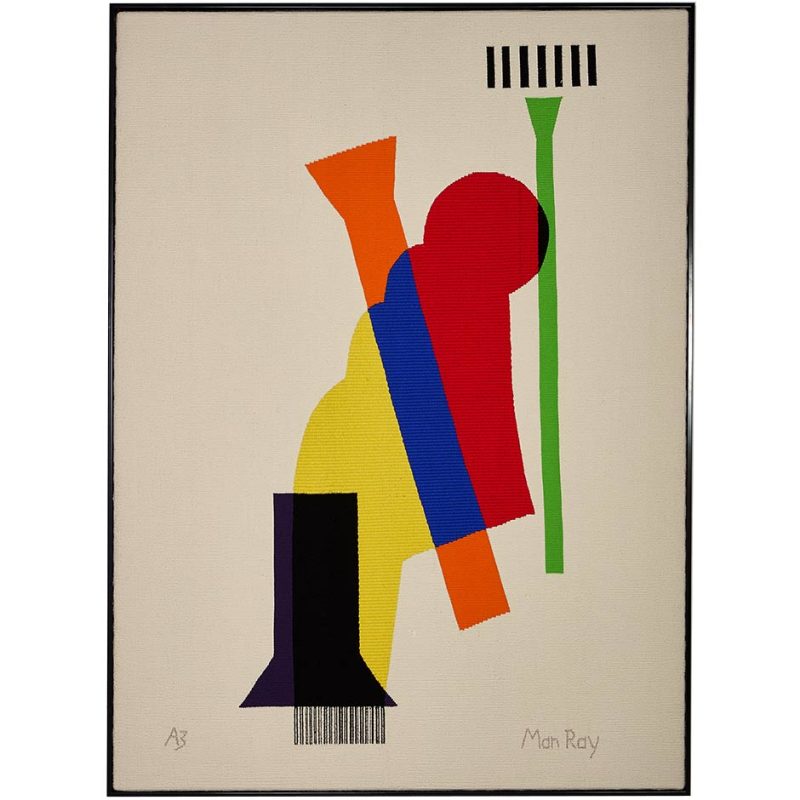
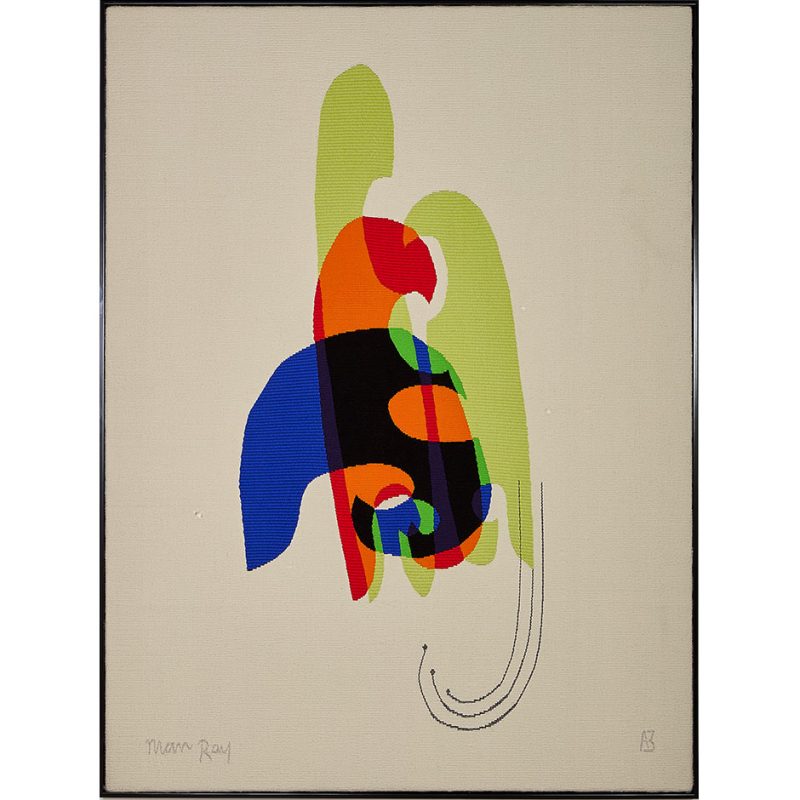
Nothing about Man Ray’s art was ever meant to be static, whether he was working with photography, film, or textile. He was one of the most influential figures of 20th-century modern art, known for his role in both Surrealism and Dada and for pushing the boundaries of visual expression. Man Ray’s modern tapestries at Modern Masters Tapestries reflect this same spirit of experimentation and abstraction. Using bold color, geometry, and symbolic form, Man Ray translated his modern art language into woven textile. Woven by prestigious French ateliers such as Atelier 3, these modern tapestries emphasize rhythm, structure, and material over literal imagery. His tapestry art preserves the sense of movement and mystery found in his photography and painting. They remain a rare and compelling extension of Man Ray’s artistic vision in modern tapestry form.

Marc Chagall
Marc Chagall’s modern tapestry works bring his dreamlike imagery and expressive use of color into the woven medium, giving his poetic vision a new sense of warmth and depth. Long known for blending fantasy, memory, and spirituality, Chagall filled his compositions with floating figures and symbolic scenes drawn from both personal and biblical themes. When translated into tapestry, this imagery takes on a softer, more tactile presence. The wool threads, expertly woven by Atelier Pinton, naturally amplify the emotional pull of his luminous forms and gentle movement. These pieces were produced in small editions and are not often seen on the market. They offer a uniquely intimate way to experience Chagall’s art through textile.

Fernand Léger
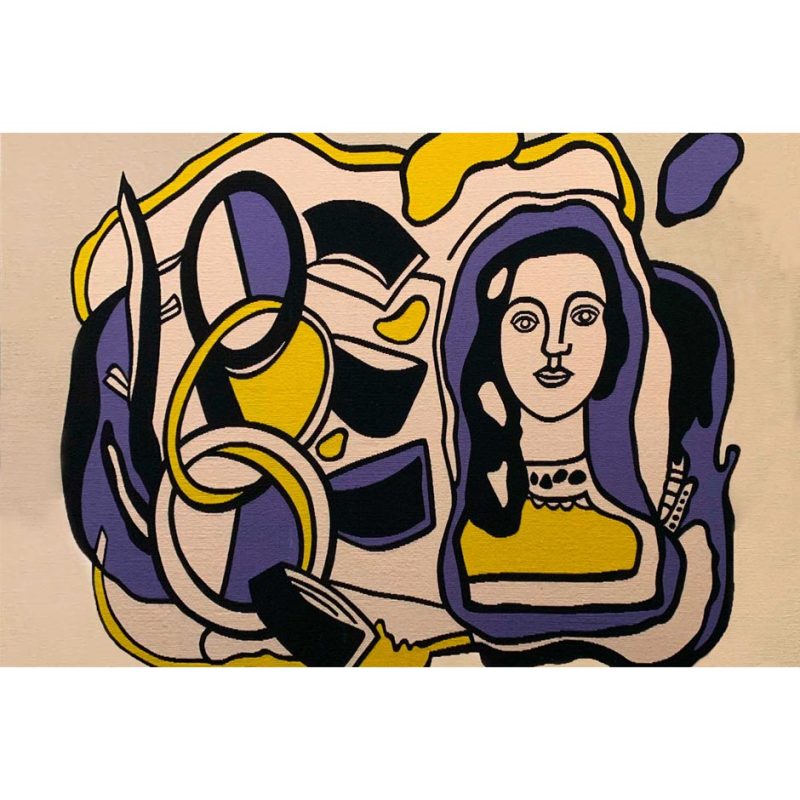
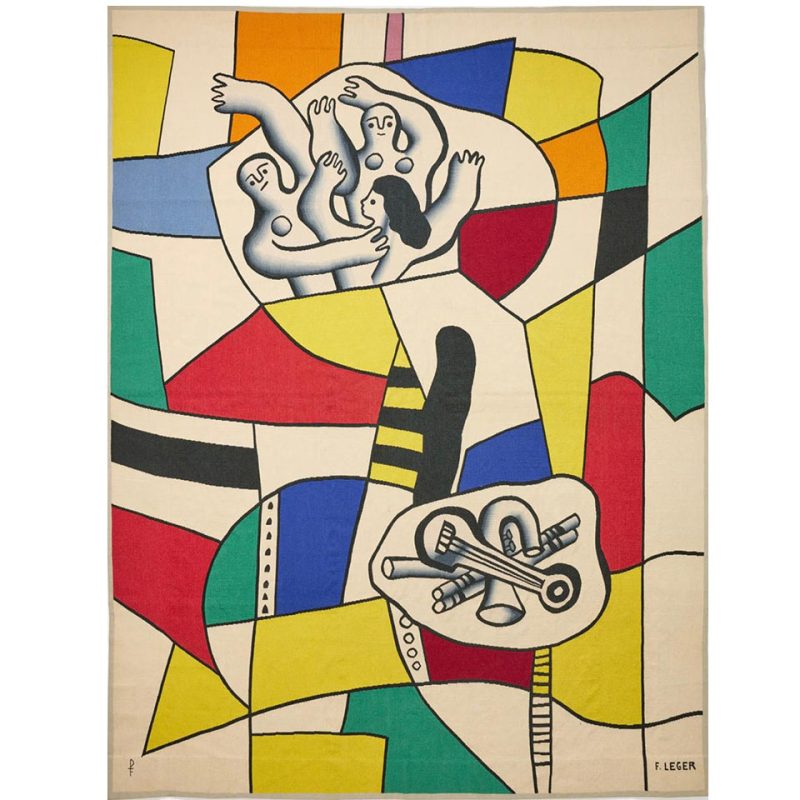
Fernand Léger was a central figure in modern art, known for his bold graphic style and his fascination with the rhythm of machines, architecture, and everyday life. His modern tapestries translate this visual language into wool, using strong outlines, vibrant color blocks, and simplified figures. Woven by leading ateliers such as Pinton in the Aubusson tradition, Léger’s designs take on a monumental, architectural presence. Many of these tapestries were conceived for large decorative settings rather than private interiors. Léger believed modern art should be accessible and integrated into the spaces people live and work in. His tapestry works reflect that vision in a striking and enduring form.


Nadia Léger
Nadia Léger was deeply committed to modern abstraction and to the idea that art should be accessible beyond the walls of the gallery. Her modern tapestry designs translate the clarity and strength of her painted compositions into woven form, where color and structure take on a new physical presence. Working with French ateliers, she embraced the collaborative nature of tapestry production, allowing her ideas to be shaped by material and craft. These modern tapestries emphasize balance, rhythm, and formal harmony. The medium suited her belief that modern art should live within everyday spaces. Her tapestry work stands as a thoughtful and lasting extension of her artistic vision.

Bernard Cathelin
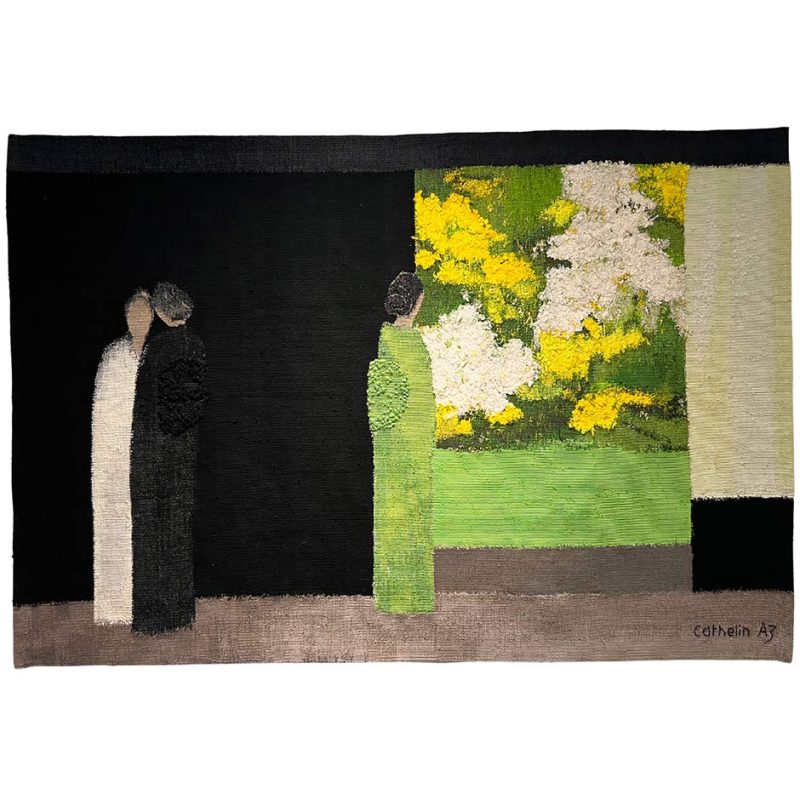
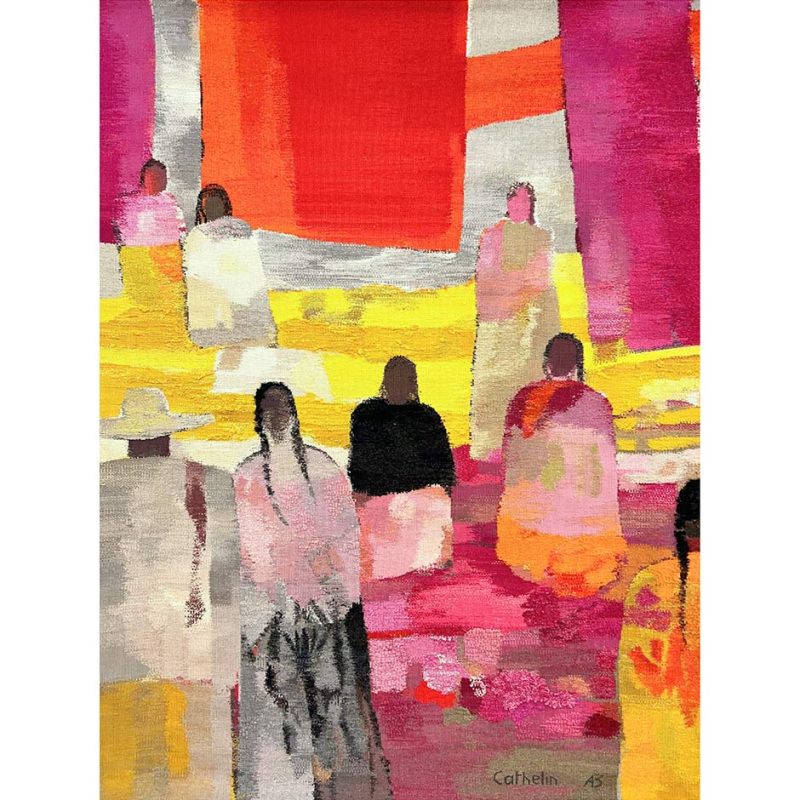
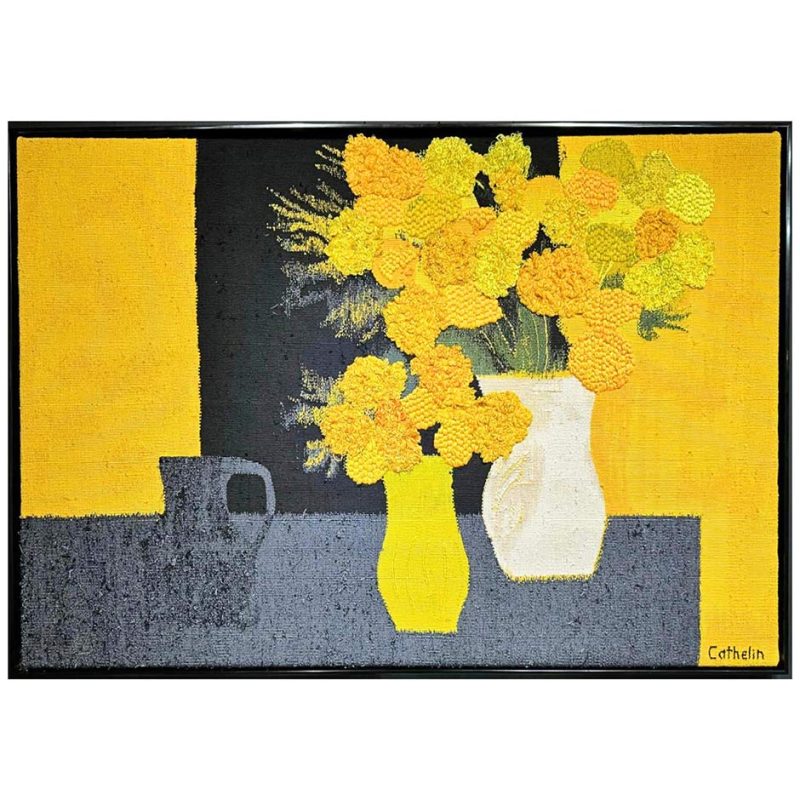
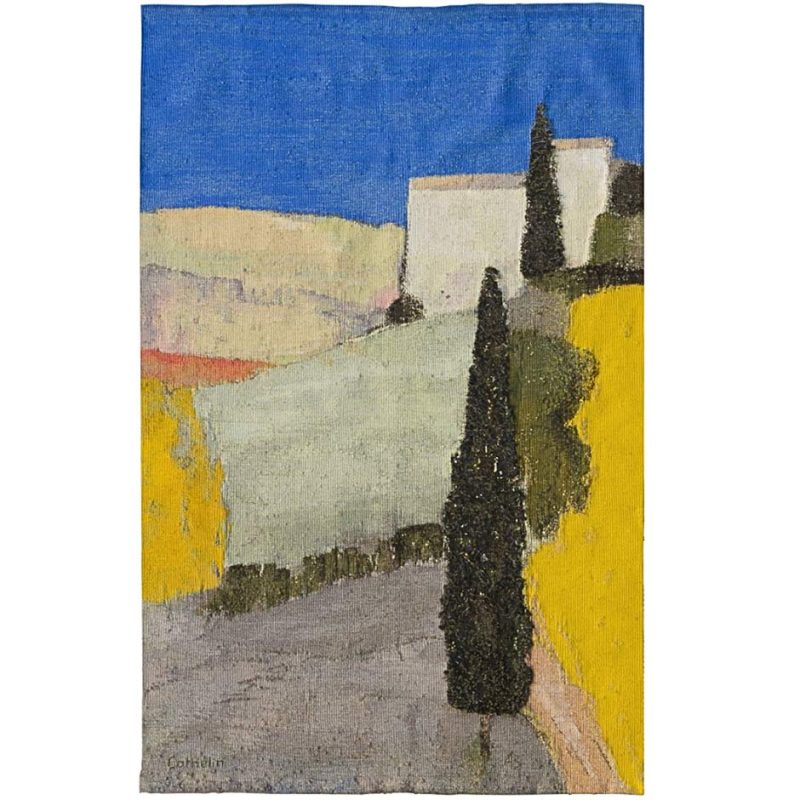
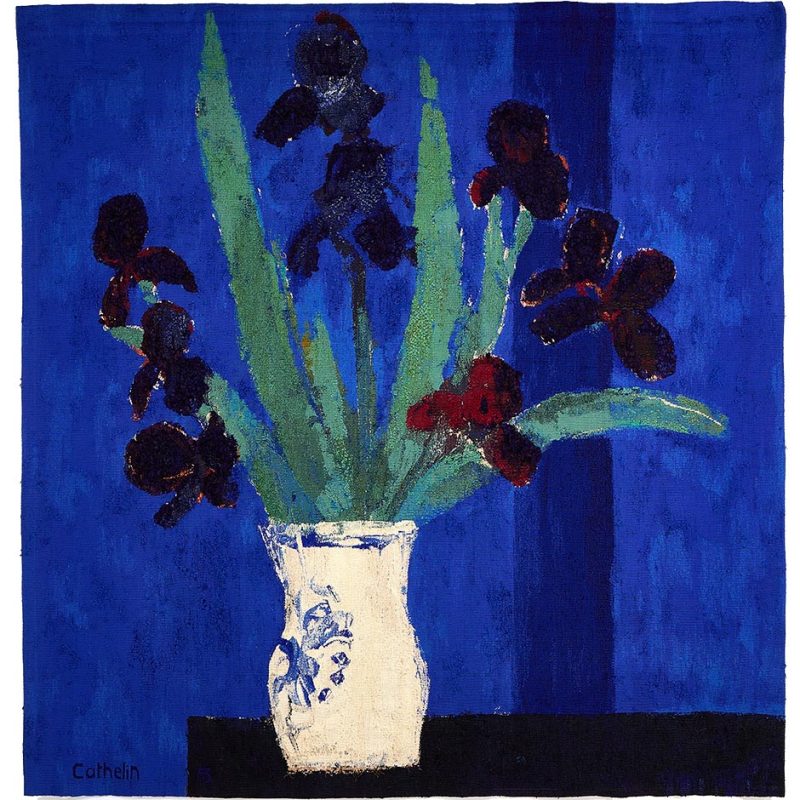
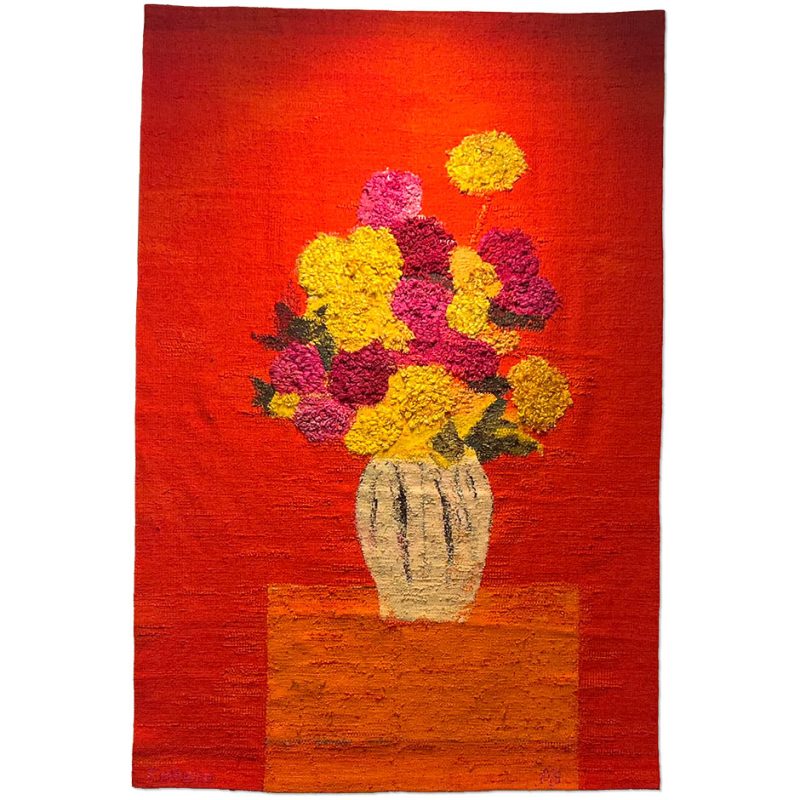
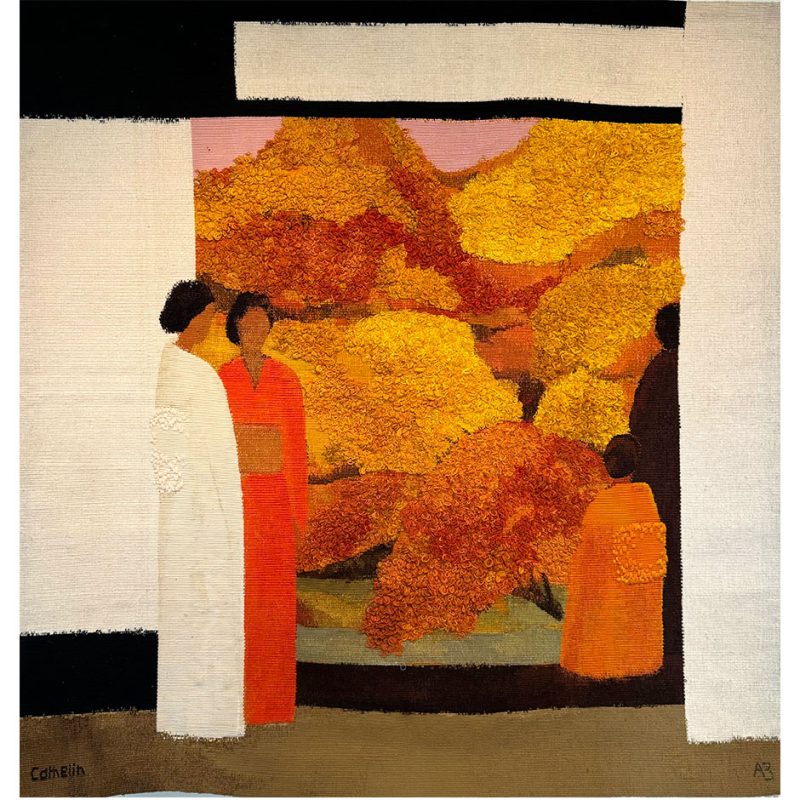
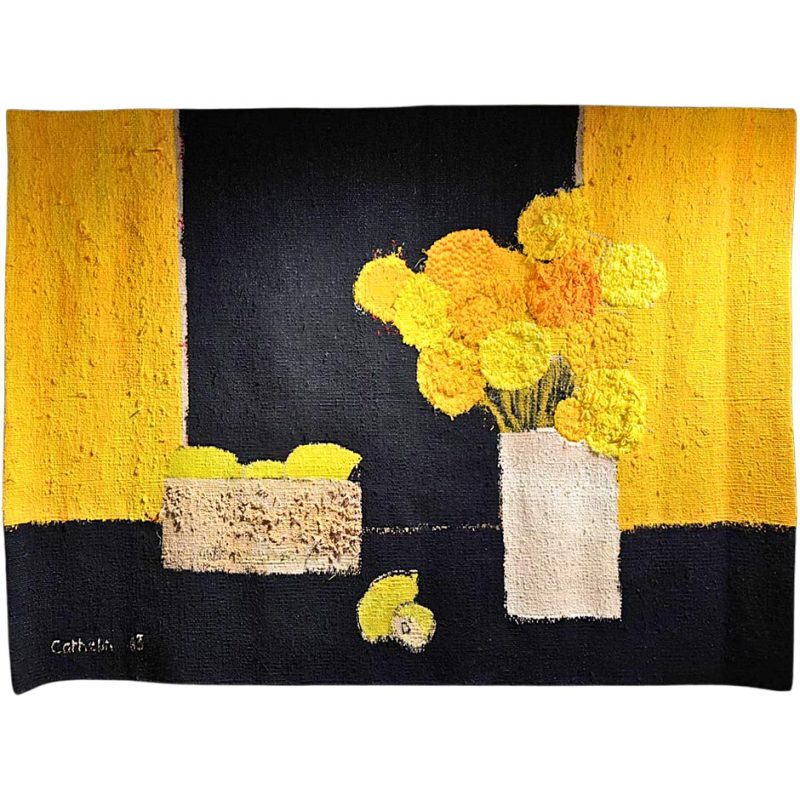
Color, memory, and the landscapes of Mexico, Italy, France, and the Drôme were central to Bernard Cathelin’s artistic world. His tapestry designs carry this sense of place into wool, where glowing hues and soft, painterly forms create an atmosphere of warmth and quiet emotion. Woven by skilled French ateliers, these works preserve the lyrical quality of his painting while adding texture and depth. Cathelin used color as a way to express memory, light, and landscape rather than strict representation, and that sensitivity moves beautifully through the medium of tapestry. The result is a body of work that feels both intimate and richly evocative.

François Desnoyer
A French painter associated with the École de Paris, François Desnoyer was known for his expressive figures and his interest in everyday life, leisure, and the modern world. His work blends post-Impressionist color with a slightly fauvist energy, giving his scenes warmth and movement. Desnoyer was drawn to subjects that felt alive and human, from bustling cities to relaxed moments by the sea. That painterly spirit carries naturally into tapestry, where gesture and surface become part of the image itself. His designs retain the spontaneity of his brushwork while gaining a new physical presence in wool. The result is a textile expression of the same lively, observant eye that defines his painting.

Victor Vasarely
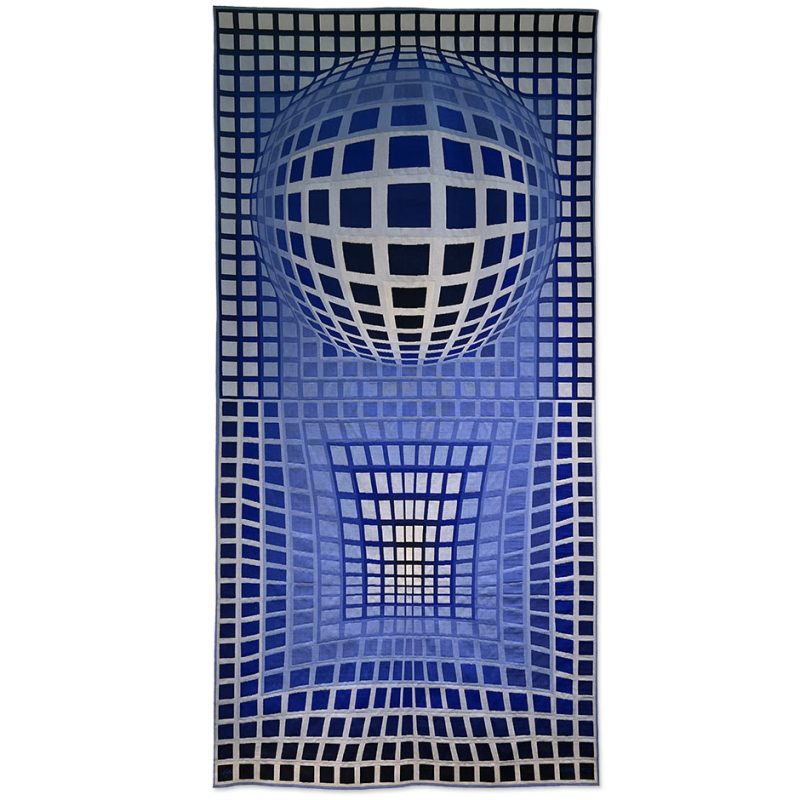
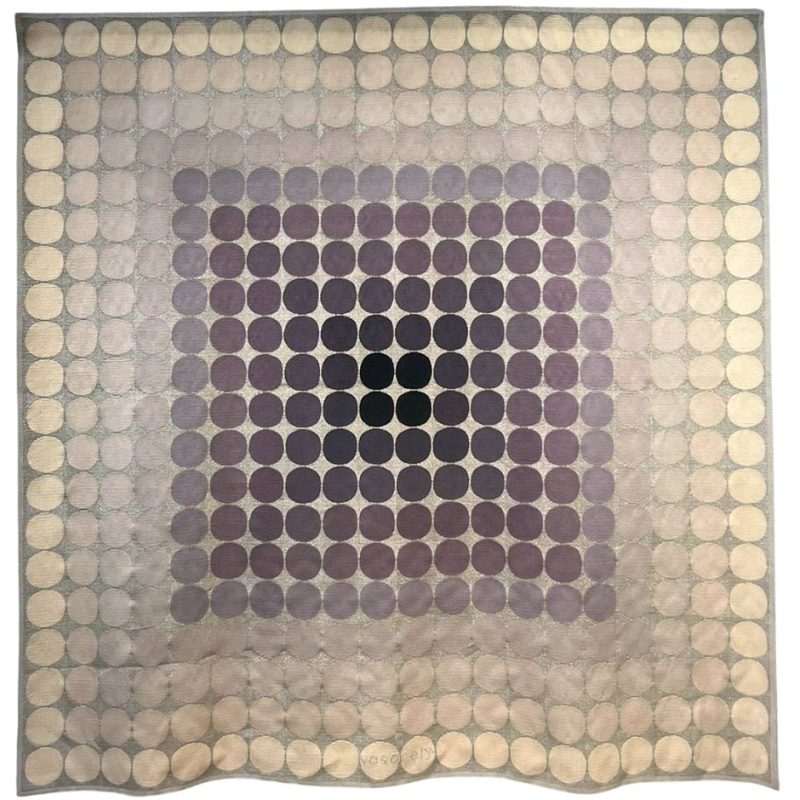
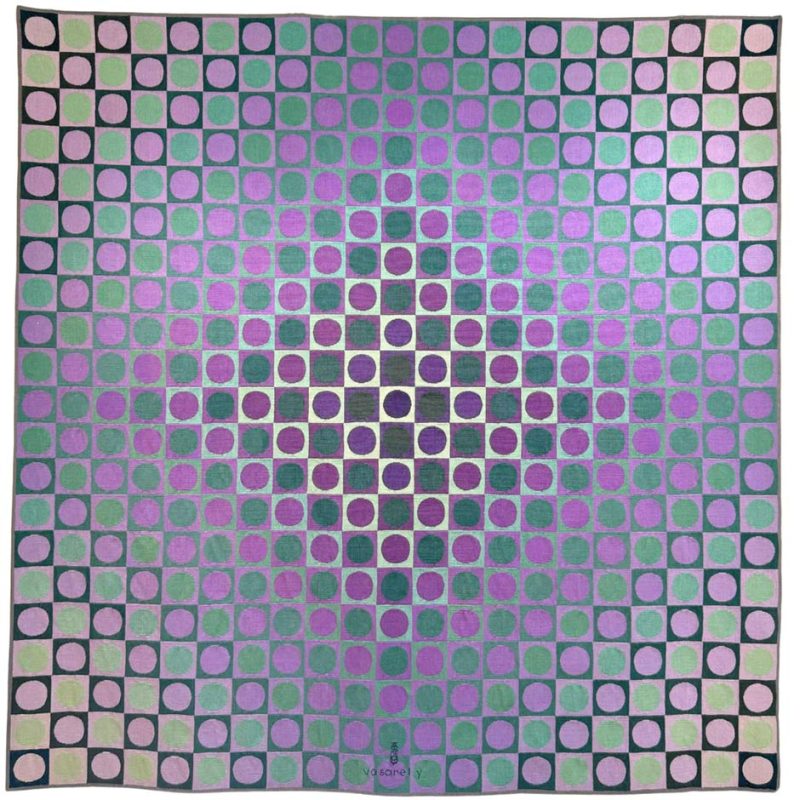
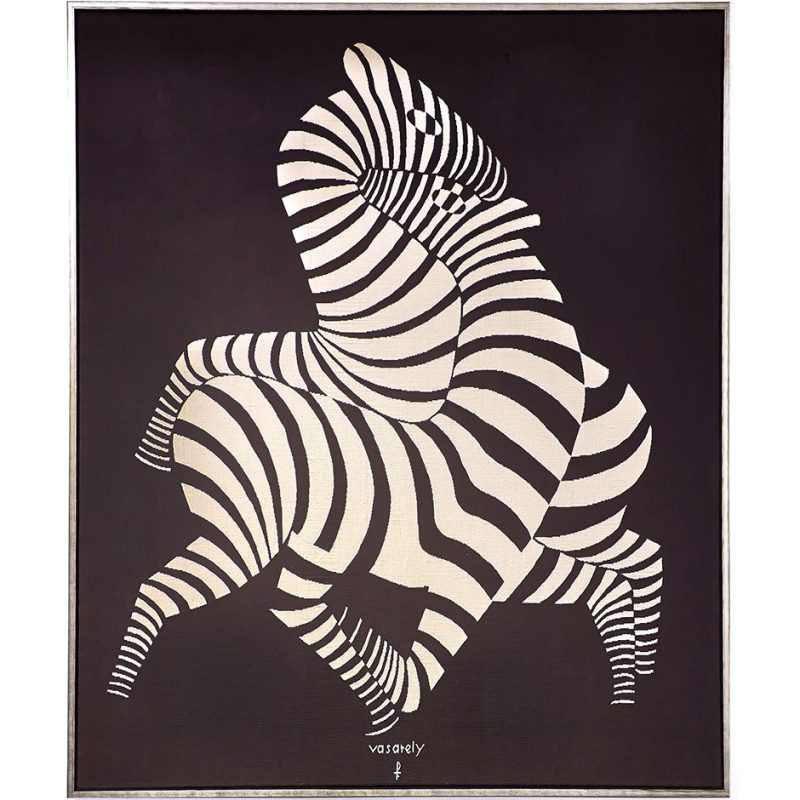
Victor Vasarely is recognized as the pioneer of Op Art, known for using geometry and color to create optical movement and visual tension. His tapestry works bring this same precise, mathematical language into textile, where pattern and vibration become tactile. Woven by the masterful Atelier Pinton, these works translate his shifting grids and illusions into rich, structured surfaces. The medium reinforces Vasarely’s fascination with perception and visual rhythm, his compositions feeling both controlled and dynamic. These works stand as some of the clearest expressions of optical modernism in woven form.

Ossip Zadkine
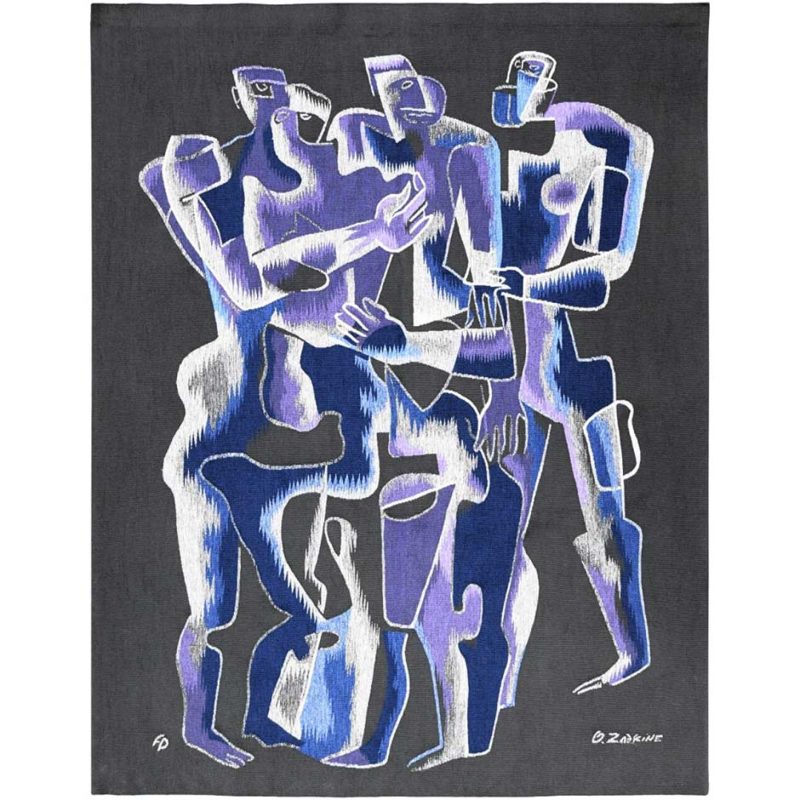
Celebrated for his expressive, fragmented figures and his deep engagement with form and space, Ossip Zadkine was best known as a sculptor. His tapestry creations remain little-known, but they carry that same sculptural thinking into the woven medium, where shape and rhythm become part of the surface itself. Woven by French ateliers, these works translate three-dimensional ideas into flat yet dynamic compositions. Zadkine was deeply sensitive to material, whether carving stone or working through wool. That tactile awareness moves naturally through his tapestry designs. The result is a body of work that quietly bridges sculpture and modern tapestry.

Tom Wesselmann
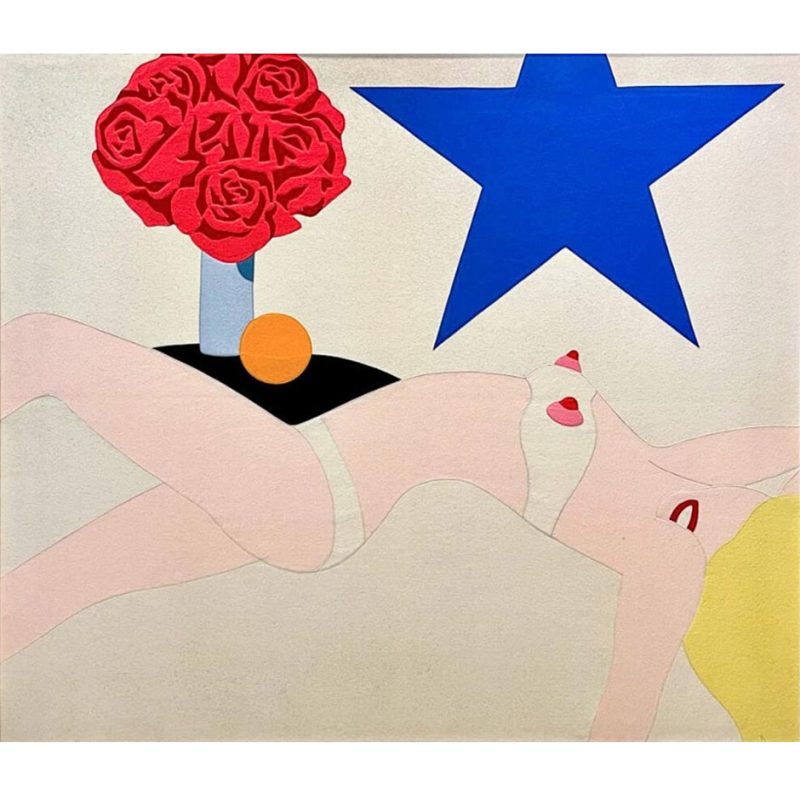
Pop Art’s bold sensuality and graphic immediacy found one of its strongest voices in Tom Wesselmann. His textile work takes that same visual language into an unexpectedly tactile form, most famously through the felt Nude Banner created with the Betsy Ross Flag and Banner Company. Hand-cut and assembled in felt, this piece has a distinctly American, handmade character. The softness of the material creates a striking contrast with Wesselmann’s crisp lines and iconic imagery. Only two editions of the felt version were produced, making these pieces especially uncommon within his body of work. They stand as a rare and playful extension of his Pop Art vision in textile form.
Brassaï
The hidden poetry of Parisian streets, cafés, and shadows formed the visual world of Brassaï. His work moved easily between documentary and abstraction, revealing pattern, shadow, and texture in the everyday. When translated into tapestry, this sensitivity to surface and structure takes on a new physical presence. Woven compositions drawn from his visual language transform photographic contrast into rich fields of wool. The medium allows Brassaï’s eye for light and rhythm to become tactile and architectural. These pieces offer a quietly striking extension of his modern artistic vision into textile.


Andy Warhol
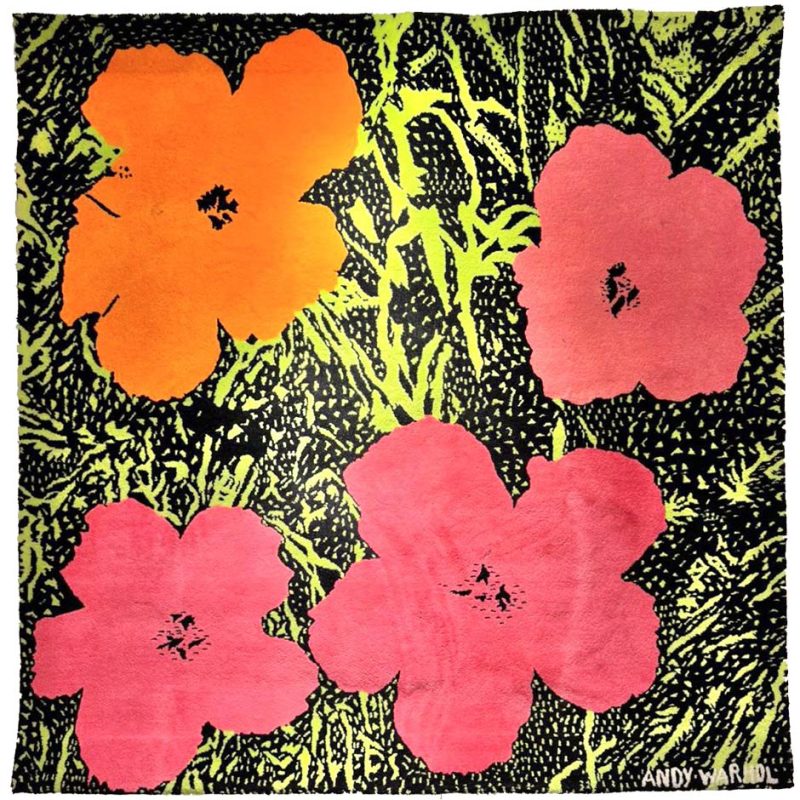
Few artists transformed popular imagery into modern art as radically as Andy Warhol. His work explored repetition, surface, and mass imagery, turning everyday subjects into powerful visual symbols. When Warhol moved into textile, that same Pop Art language translated naturally into bold color and graphic form. The tapestry medium adds warmth and texture to his otherwise flat, screenprinted style. Even in woven form, his imagery retains its immediacy and cultural impact. These works offer a rare glimpse of how Warhol’s ideas extend beyond painting and print into textile.
Mathieu Matégot
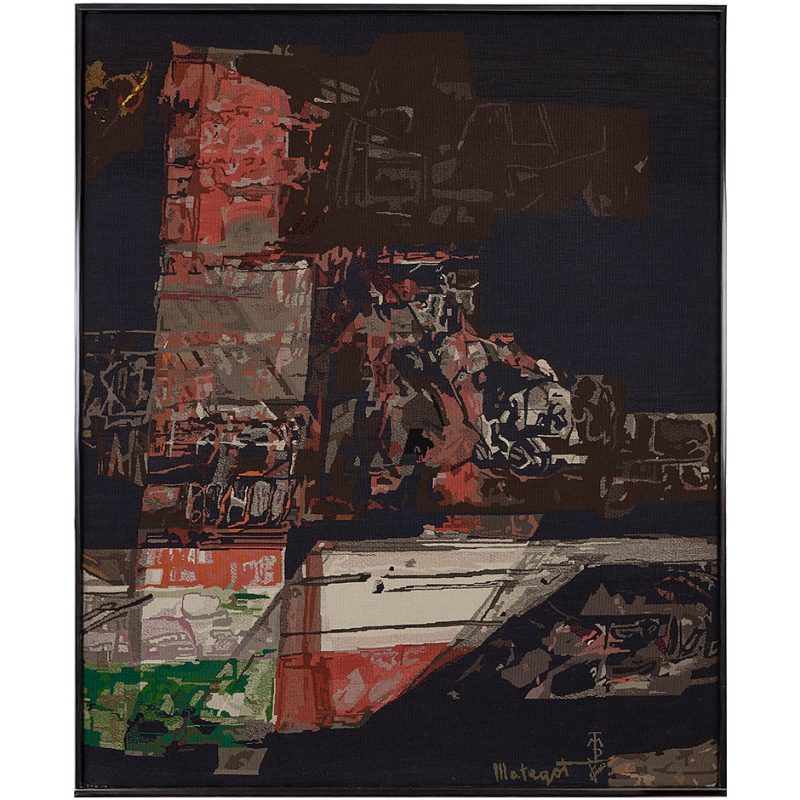
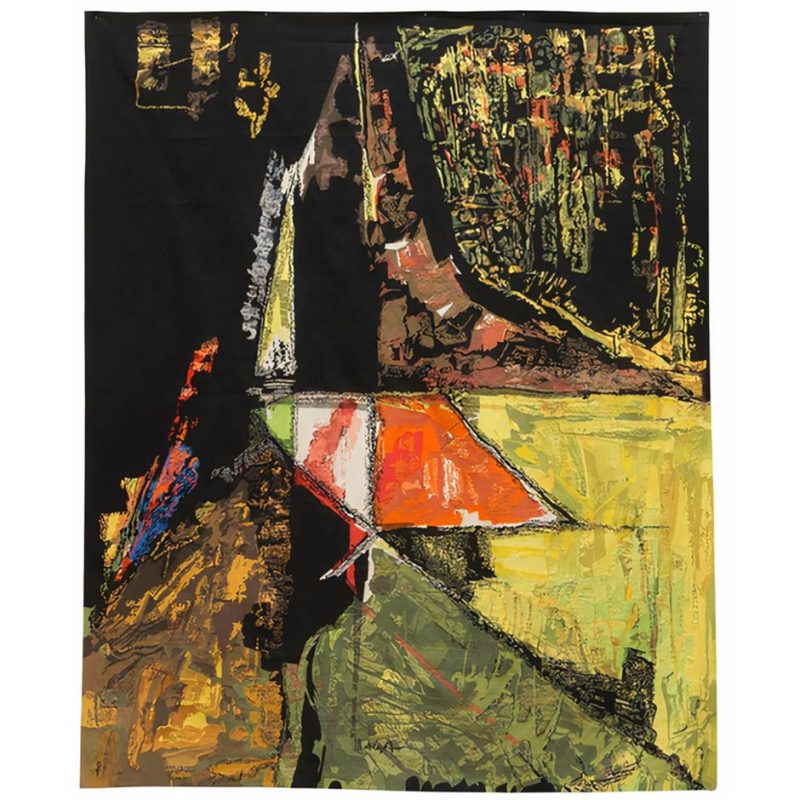
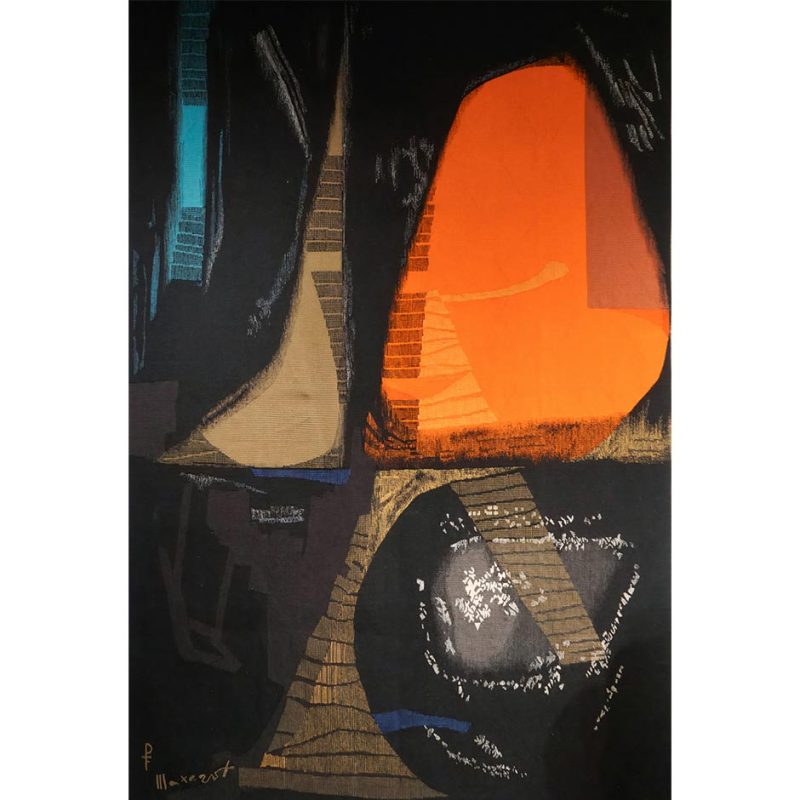
Playful invention and material experimentation sit at the heart of Mathieu Matégot’s work. He was a pioneering designer of the postwar era, celebrated for his inventive approach to form, color, and material. Best known for his modern furniture and metalwork, he brought the same sense of rhythm and abstraction into his tapestry designs. His compositions often balance playful geometry with a refined, architectural structure. When translated into textile, these ideas take on warmth and movement through woven color and pattern. Matégot approached tapestry as a true design medium rather than decoration. The result is a body of work that reflects his modernist vision in a softer, more tactile form.
Le Corbusier
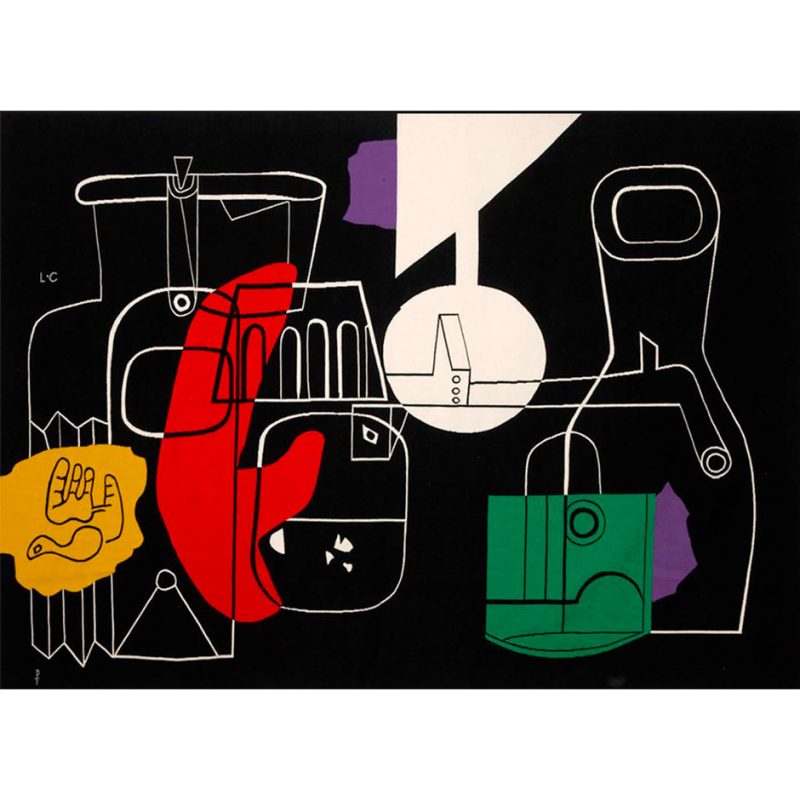
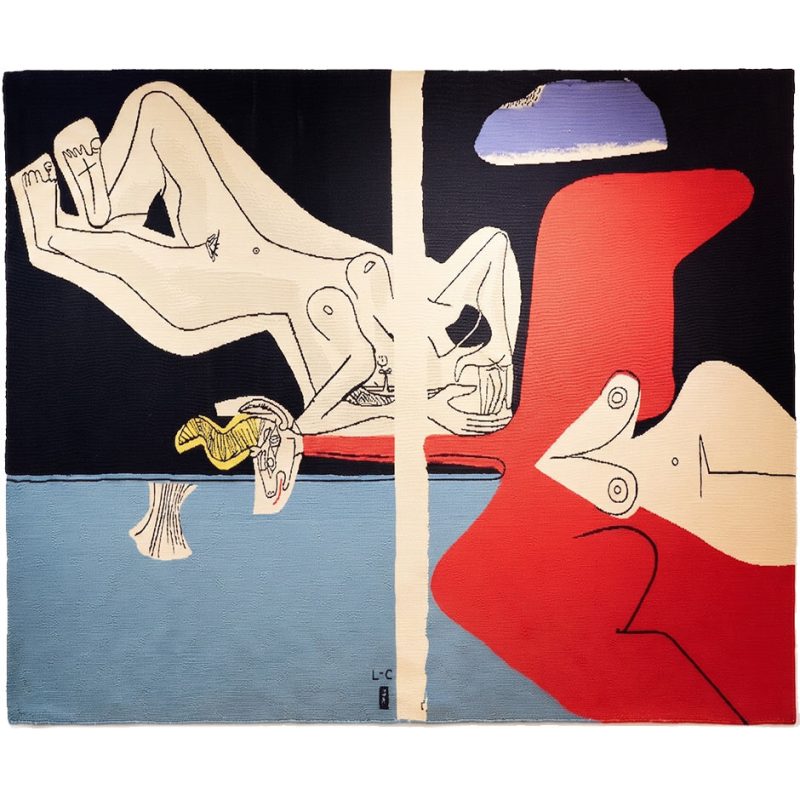
For Le Corbusier, art, architecture, and design were all part of a single modern language. His visual work, like his buildings, was driven by structure, proportion, and a deep interest in how form interacts with space. When he turned to tapestry, these ideas carried naturally into woven compositions of bold color and simplified geometry. The medium allowed his modern art to become architectural, meant to live within the spaces he designed. Rather than treating tapestry as decoration, Le Corbusier saw it as part of a total work of art. His textile designs extend his modernist philosophy into a warm, tactile dimension.
Michel Degand
There is a quiet, drifting quality to Michel Degand’s abstraction that sets it apart from his contemporaries. His work often explored balance and movement through softly shifting shapes. When translated into tapestry, this visual language becomes more physical, with woven texture adding depth to his compositions. The medium allows his subtle transitions of color to feel almost atmospheric. Degand approached textile not as reproduction, but as another way to explore space and rhythm. His tapestry designs quietly extend his modern art practice into a tactile world.

John Piper
Few artists moved as fluidly between painting, architecture, and design as John Piper. His work moved fluidly between painting, stained glass, book design, and monumental decoration, always guided by a belief in collaboration with skilled craftspeople. That philosophy carried naturally into tapestry, which he began exploring seriously in the early 1960s after a cathedral commission recommended by Henry Moore. Working with Pinton Frères and the Aubusson ateliers, Piper translated his bold lines and glowing color into woven form, often echoing the luminous quality of his stained-glass work. The tapestry Floral reflects this approach, merging modernist abstraction with natural imagery in a vibrant, architectural composition. It stands as a rare and beautifully crafted expression of Piper’s artistic vision in textile.

Burhan Doğançay
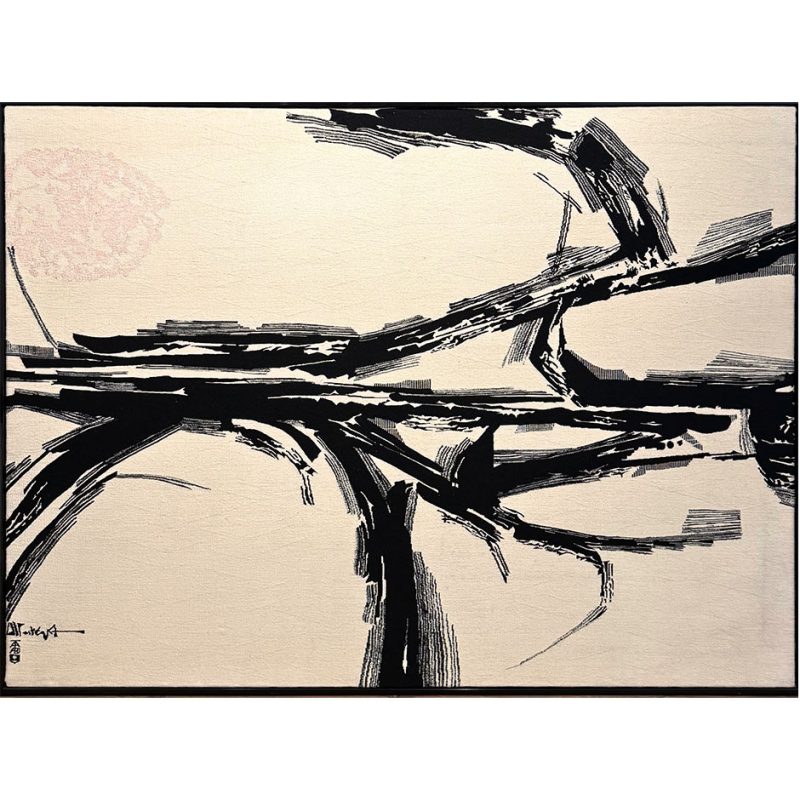
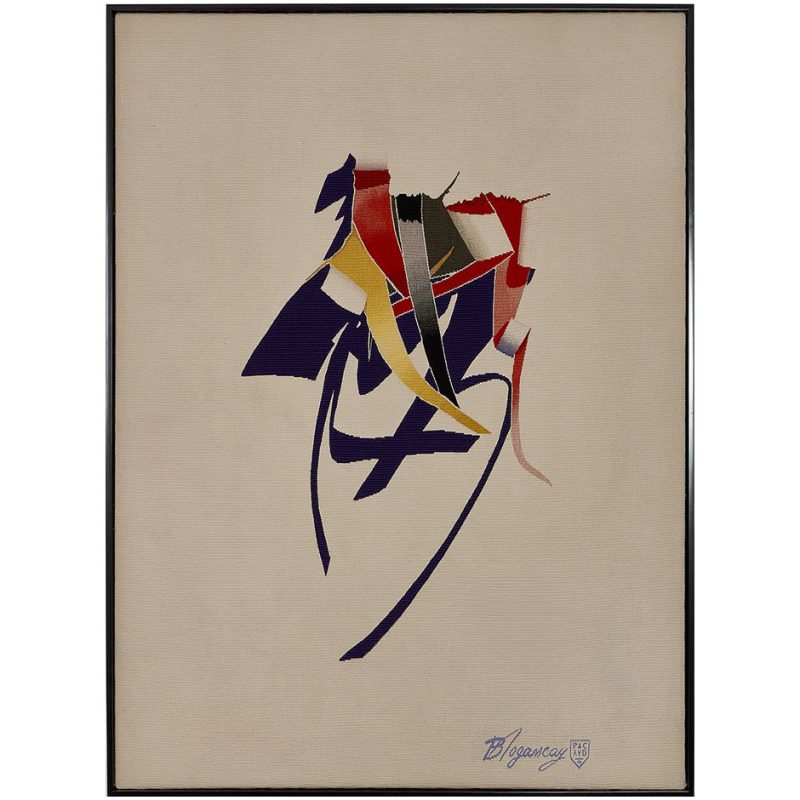
Burhan Doğançay was a Turkish-American modern artist best known for turning the visual language of urban walls into powerful abstract compositions. Trained in Paris and deeply influenced by cities across Europe and the United States, his work reflects layers of cultural history, decay, and communication. In the 1980s, he began exploring tapestry as a way to give physical depth to these ideas, collaborating with the Aubusson workshop Atelier Raymond Picaud in France. His woven designs preserve the sharp lines, floating fragments, and rhythmic movement that define his paintings. The tapestry medium allows his abstract “urban” language to become softer, more architectural, and tactile. These works form a rare and refined extension of Doğançay’s artistic vision in textile.
René Perrot
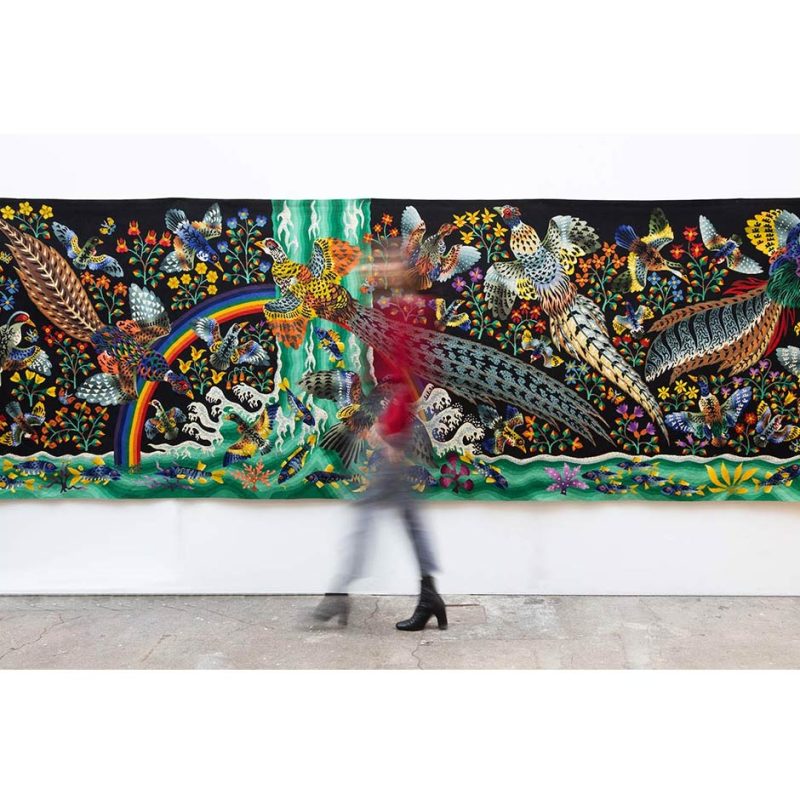
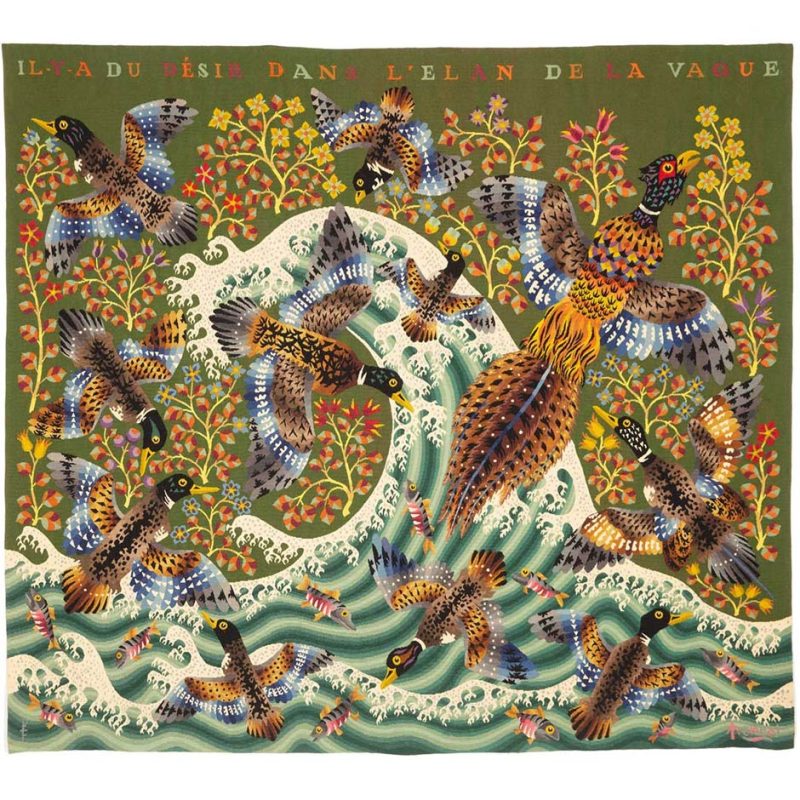
René Perrot approached tapestry with the eye of a storyteller and the hand of a decorator. Deeply influenced by Jean Lurçat, whom he met in the 1930s, Perrot embraced the idea that tapestry could once again become a monumental and expressive art form. From 1945 onward, he devoted himself almost entirely to textile, producing hundreds of designs for the great Aubusson workshops, including Ateliers Pinton and Rivière des Borderies. His work is instantly recognizable for its dense, decorative style, often filled with birds, flowers, and animals arranged in richly patterned fields. Drawing inspiration from medieval and Renaissance mille-fleurs tapestries, Perrot combined historical imagery with a distinctly modern sensibility. The result is a body of tapestry art that feels both timeless and joyfully alive.

Georges Braque
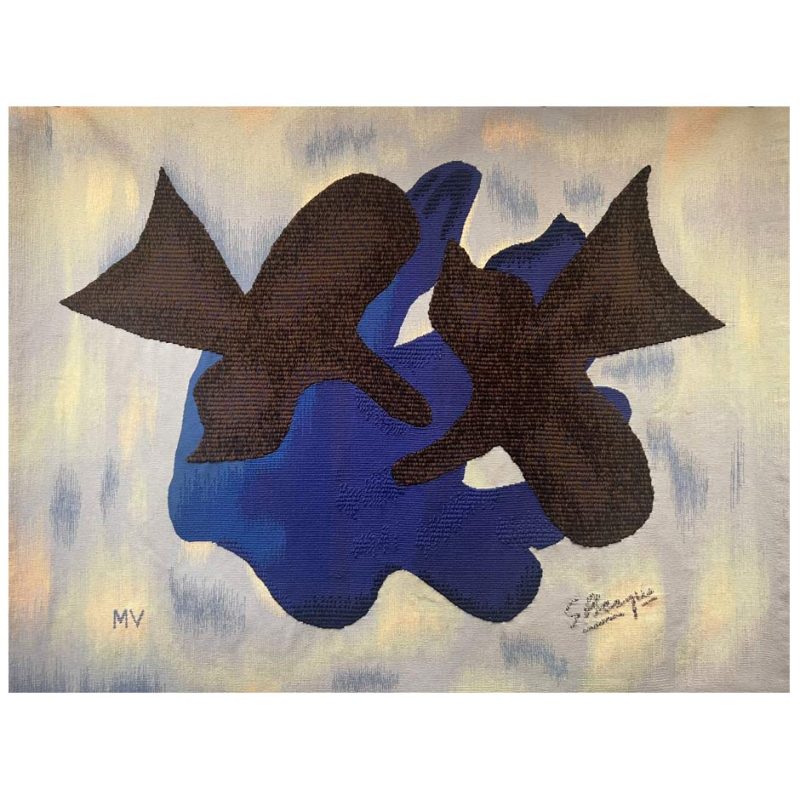
A sense of structure and poetry runs through everything Georges Braque created. Braque was one of the founders of Cubism and a central figure in the development of modern art, best known for breaking forms into shifting planes and quiet, balanced compositions. When his designs were translated into tapestry, that same sense of balance carried naturally into textile. Woven by the Moulin de Vaudoboyen in Bièvres, his compositions take on a soft, tactile quality while preserving the clarity of his modernist forms. The medium brings warmth to his restrained palette and subtle rhythms. These works offer a rare way to experience Braque’s modern art through the language of tapestry.

Vassily Kandinsky
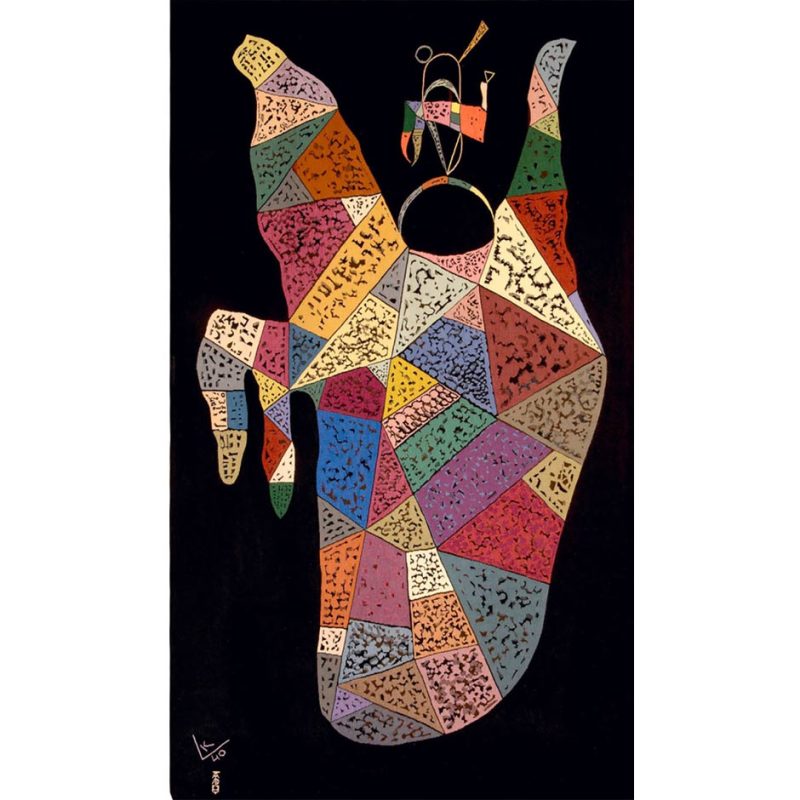
To Kandinsky, painting was less about objects and more about the way color and form could speak to the soul. Long before abstraction was widely accepted, he was already exploring how painting could move beyond representation and into feeling. His interest in spirituality, rhythm, and harmony shaped everything he created. That same philosophy carries into the tapestry Sur fond noir at Modern Masters Tapestries, where his floating forms and layered colors translate naturally into wool. Handwoven in Aubusson by Atelier Tabard, the piece adds warmth and texture to his visual language. It reflects Kandinsky’s lifelong pursuit of art as an emotional and spiritual experience.
Albert Gleizes
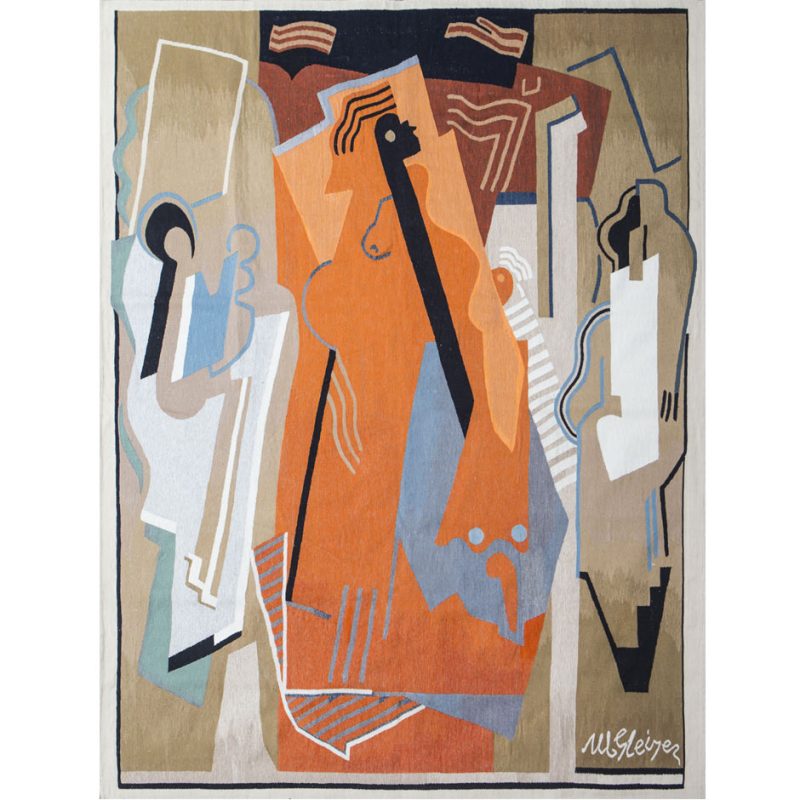
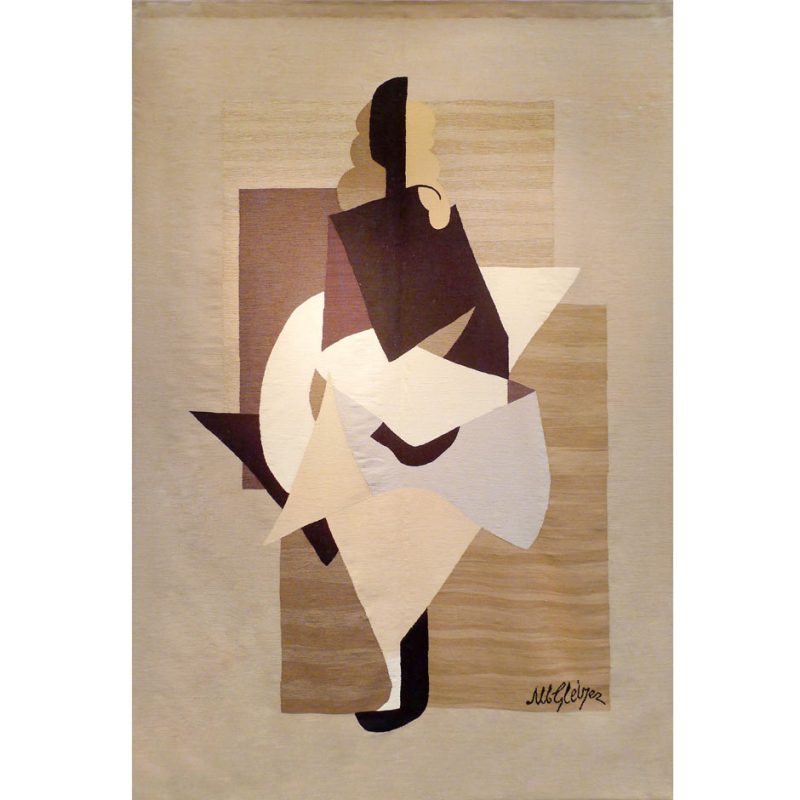
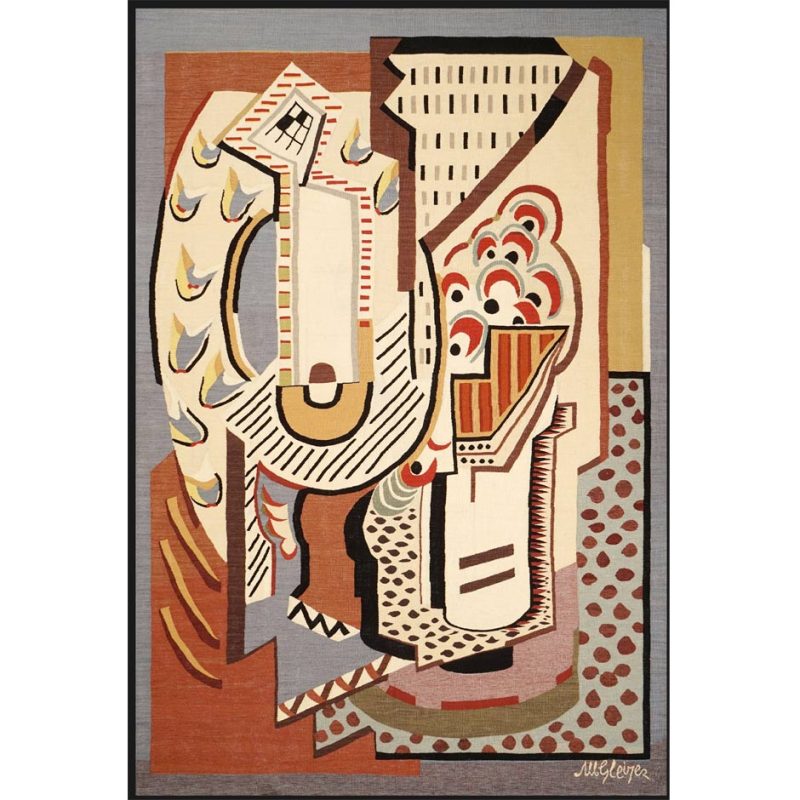
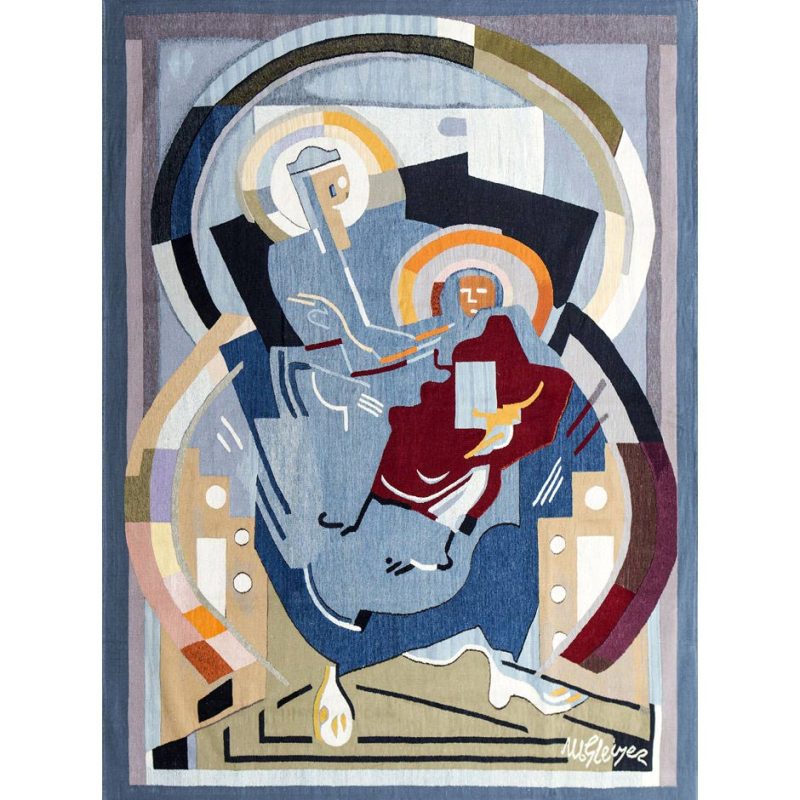
Cubism’s philosophical and structural foundations were shaped in large part by Albert Gleizes. He believed art should reflect the movement and structure of modern life, using overlapping planes and dynamic color to express time and space. That philosophy carries naturally into tapestry, where woven surfaces allow his compositions to become architectural and tactile. Through the work of Boccara Gallery, which has long collaborated with the Gleizes Foundation, his drawings were translated into textile in carefully produced editions. These woven works preserve the clarity and energy of his Cubist language while giving it new physical presence. They reflect how Gleizes’s ideas continue to live and evolve beyond the canvas.

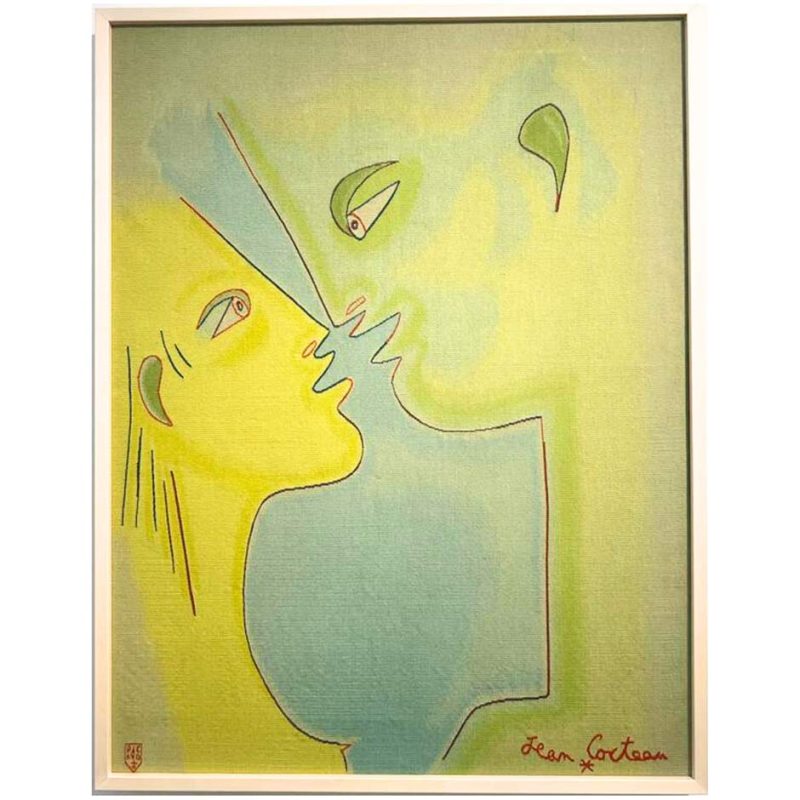
Jean Cocteau
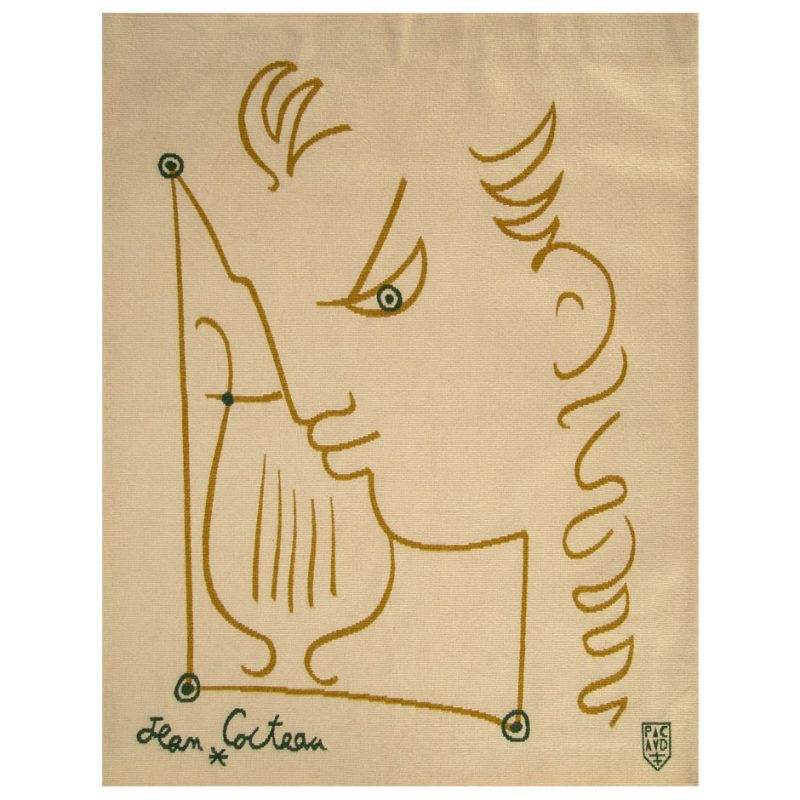
Jean Cocteau never saw a line as merely a line, it was always part of a story. A singular figure of modern art, Cocteau moved effortlessly between poetry, drawing, film, and theatre. His visual work is known for its elegant line, mythic imagery, and quiet surrealism. Cocteau approached drawing as a form of storytelling, using simple, flowing contours to suggest emotion and narrative. In woven form, those lines take on a soft physical presence. The texture of wool gives weight to his otherwise delicate imagery. His tapestry designs feel like poems rendered in fiber.

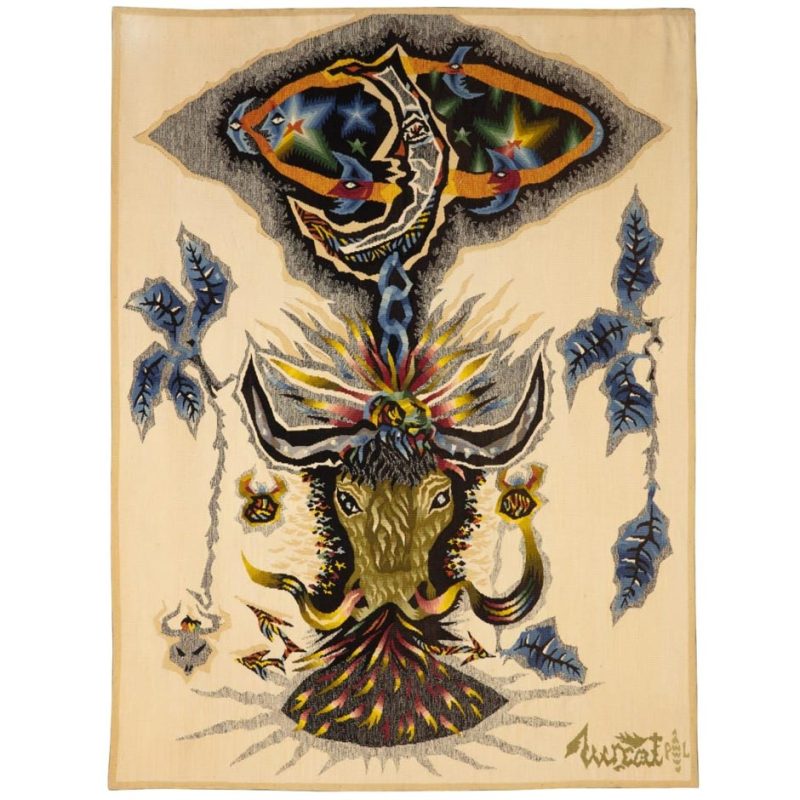
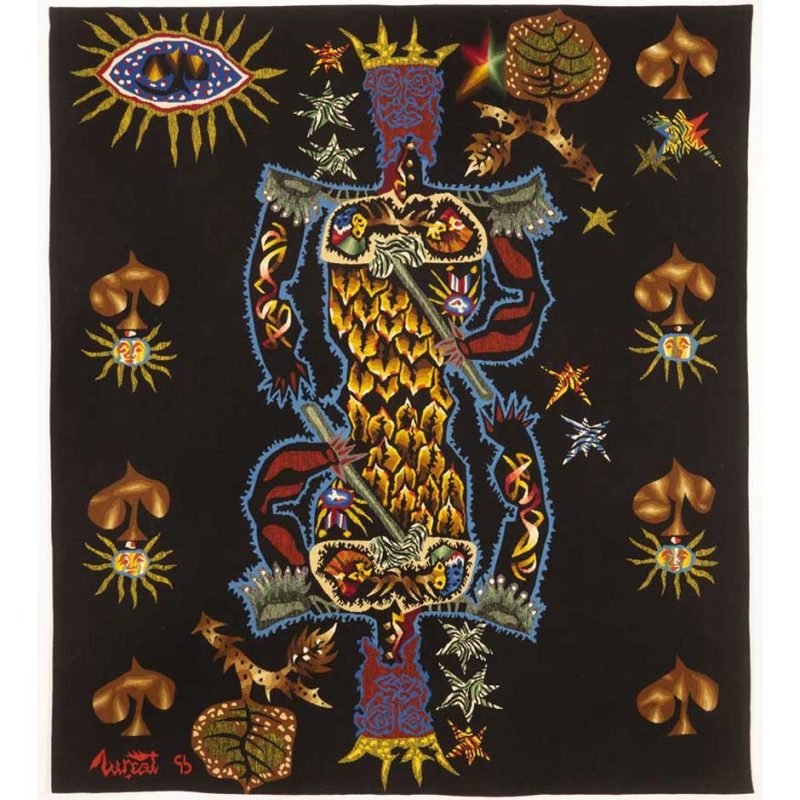
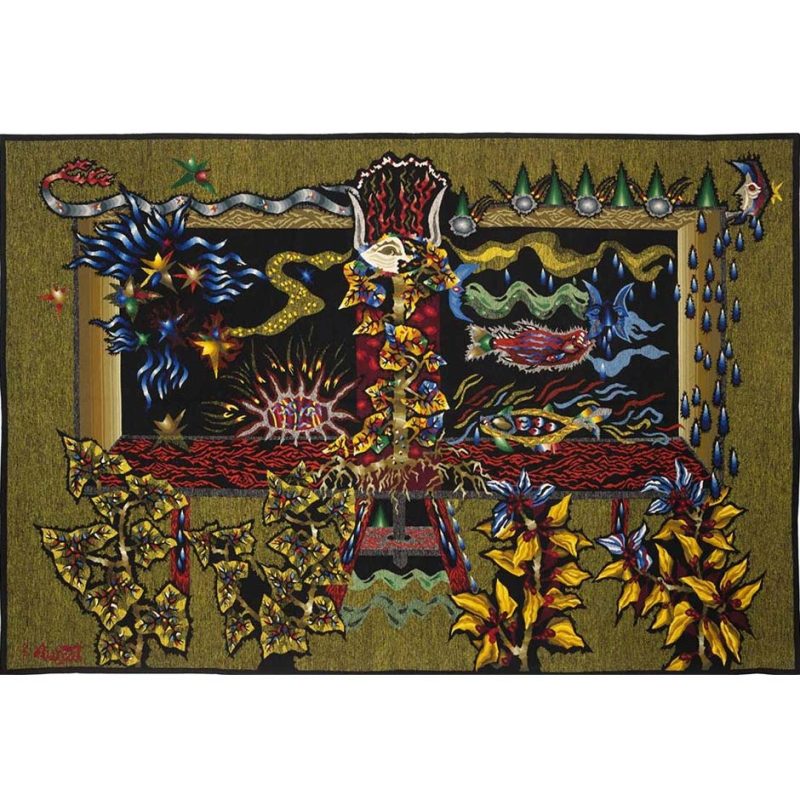
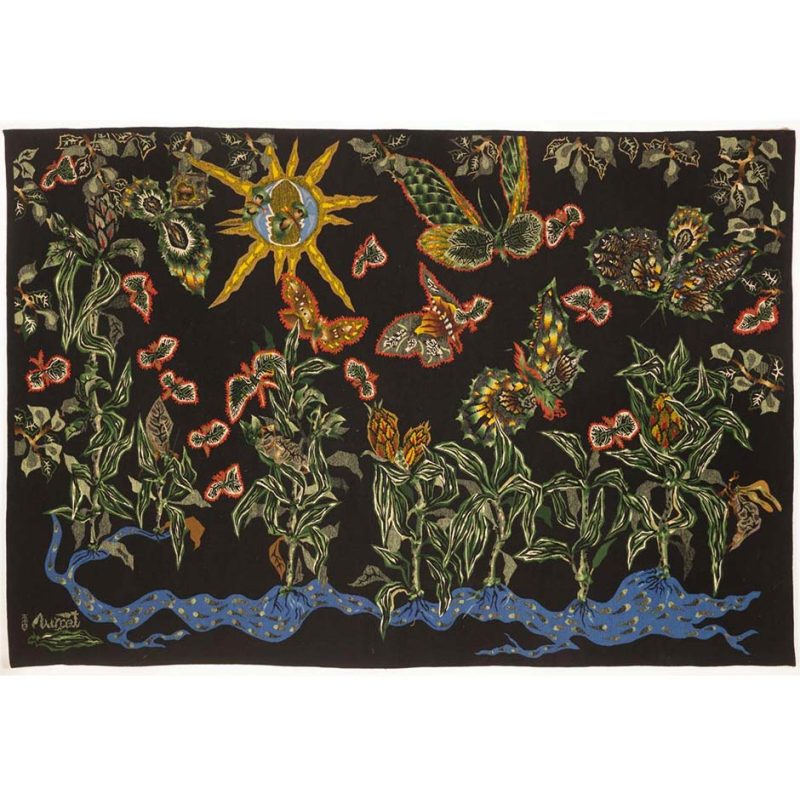
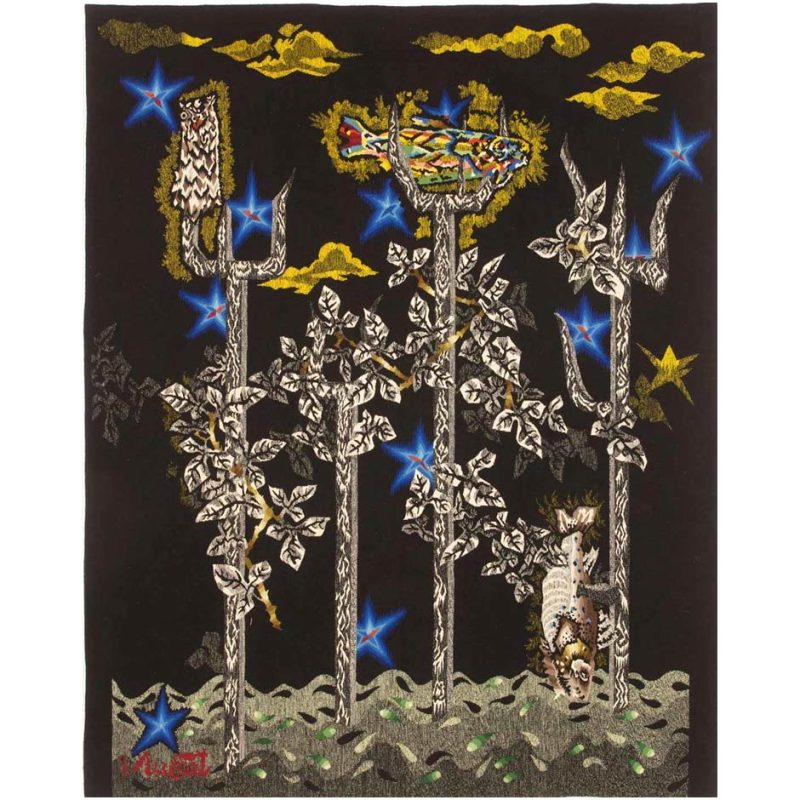
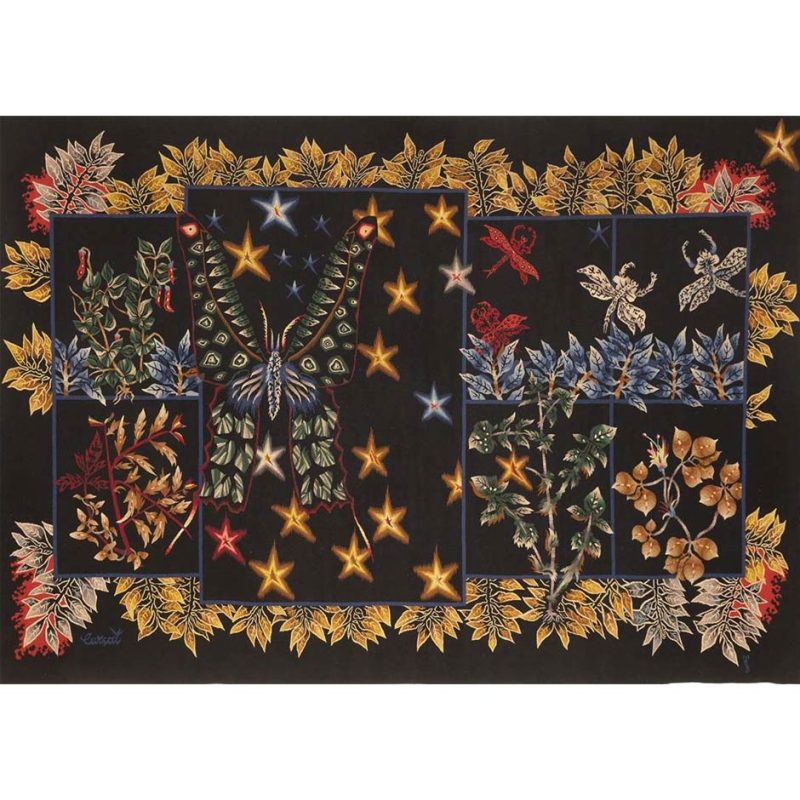
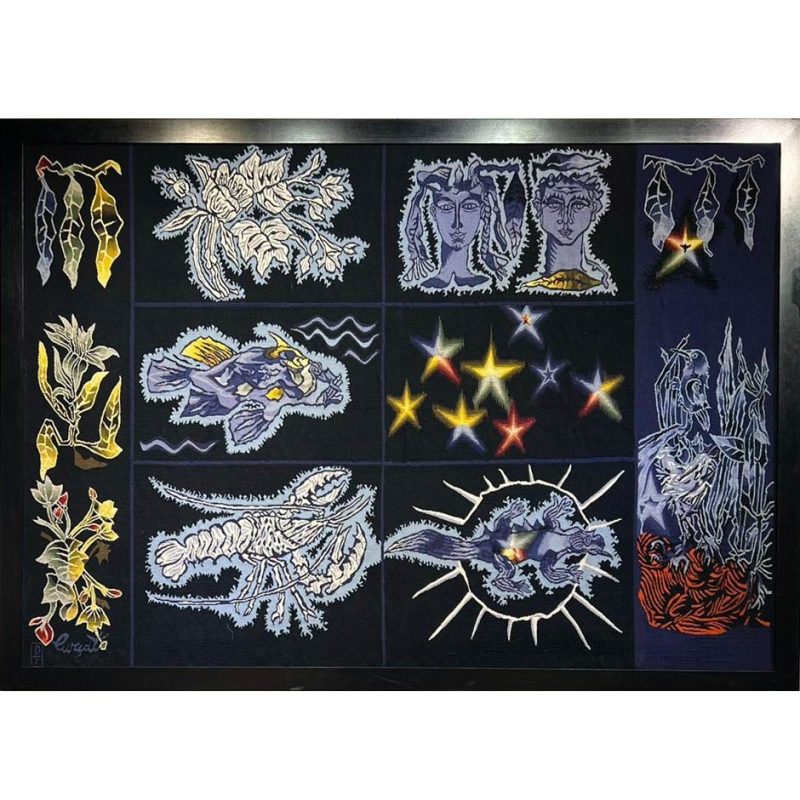
Jean Lurçat
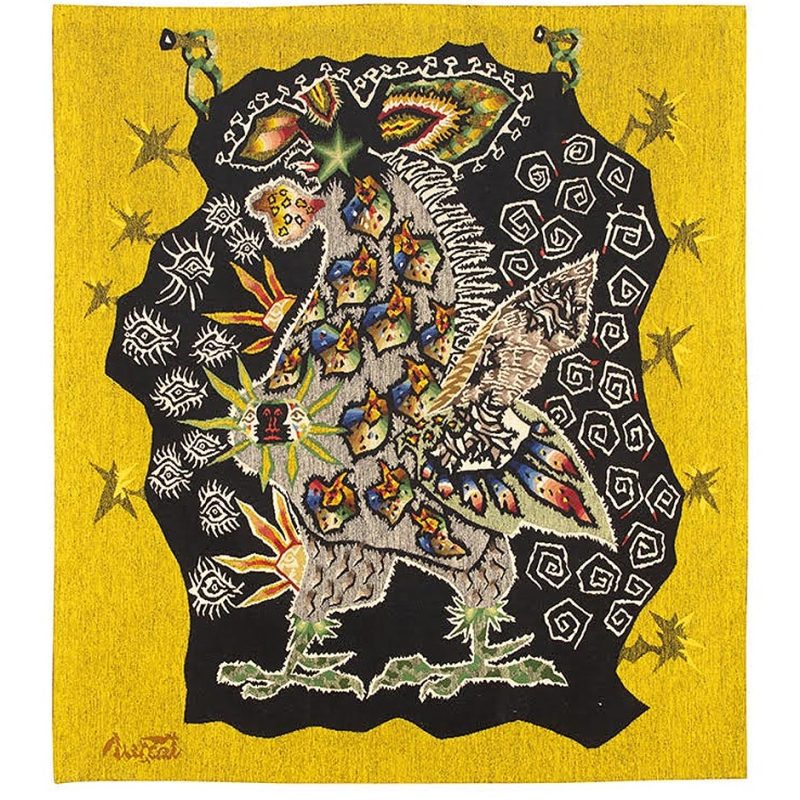
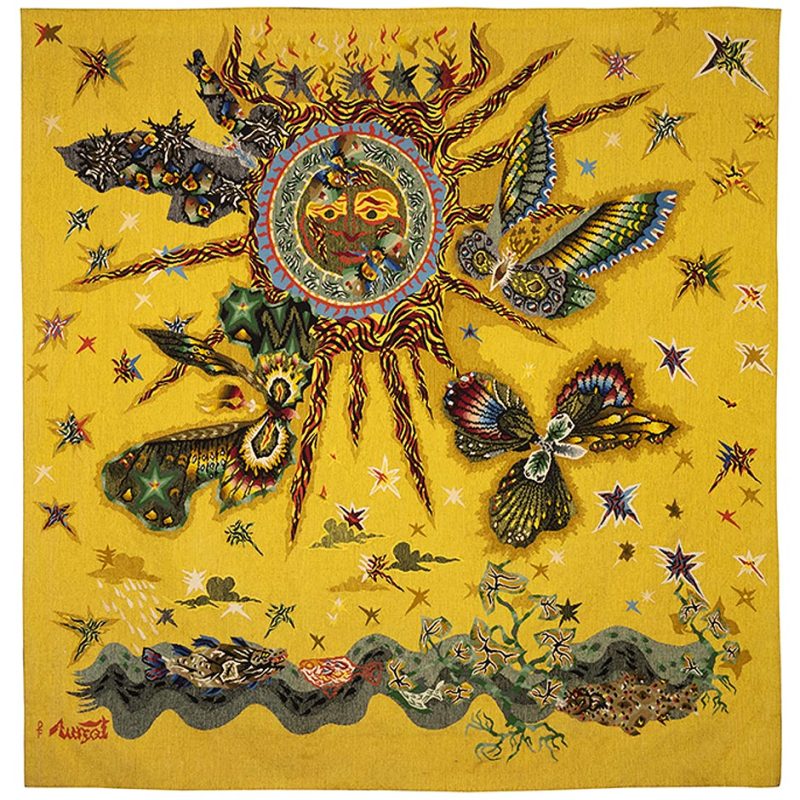
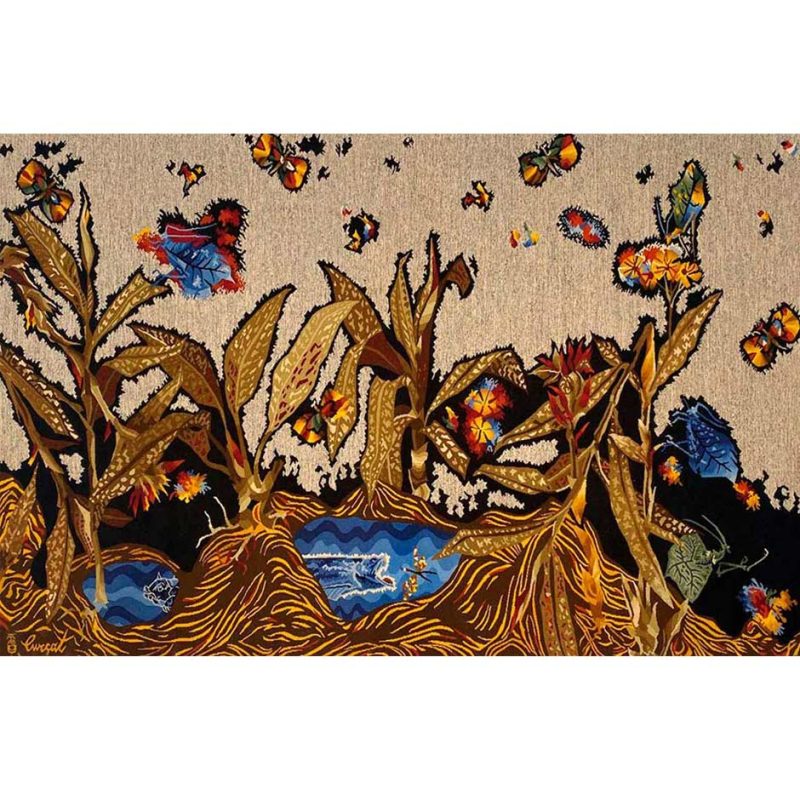
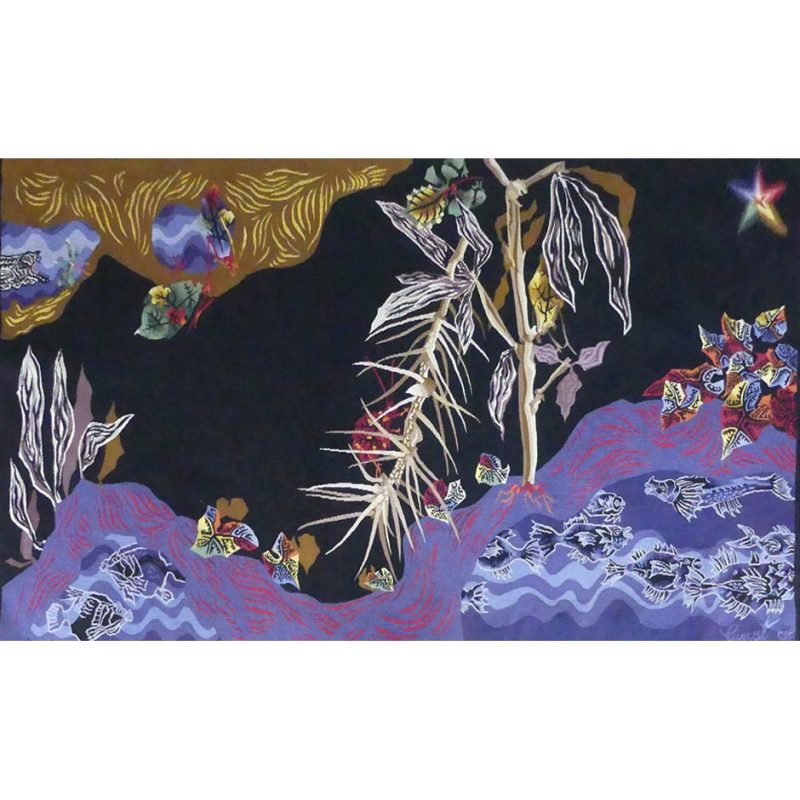
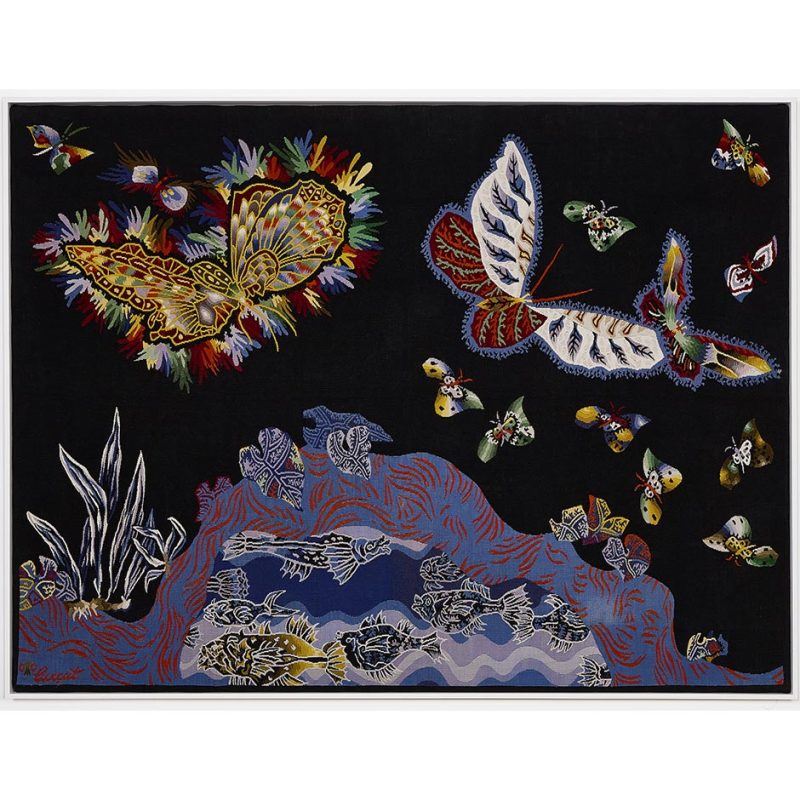
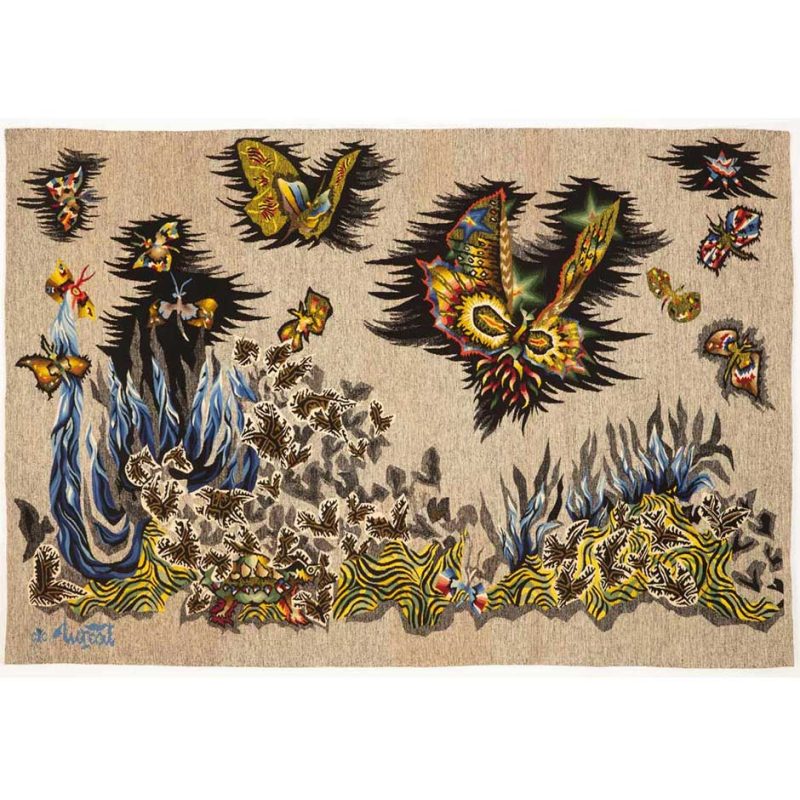
The modern revival of tapestry owes much of its force to Jean Lurçat’s vision. He believed that textile could once again become a major artistic medium rather than a decorative craft. Drawing on mythology, nature, and bold symbolic imagery, Lurçat created compositions meant to be monumental and expressive. His work brought strong color, clear forms, and narrative back into tapestry. More than any other artist, he helped redefine what modern tapestry could be. His influence continues to shape how artists approach textile today.



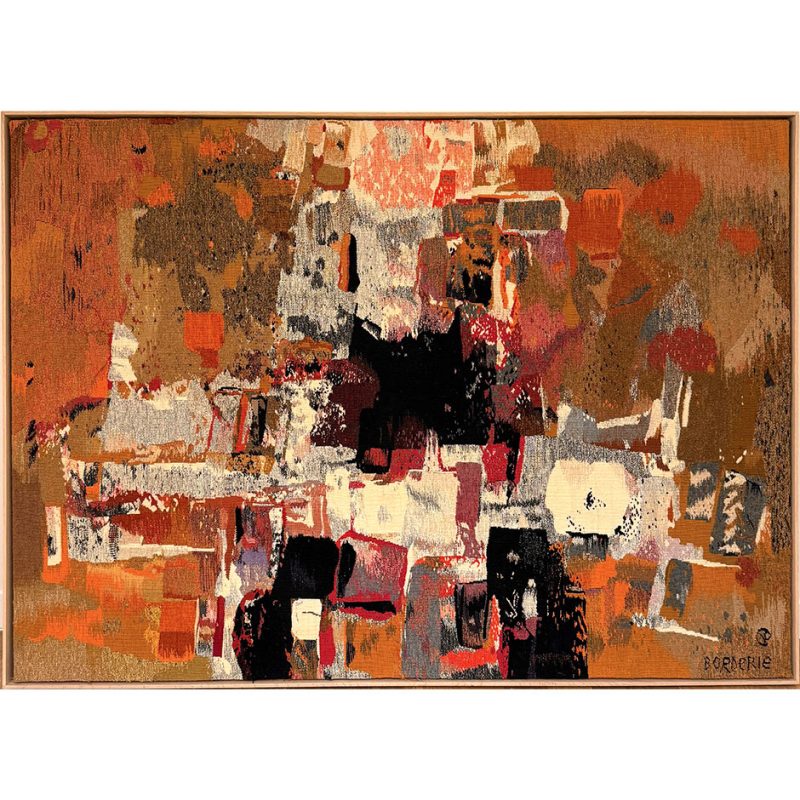
André Borderie
André Borderie’s painting feels like a gesture caught mid-motion. Borderie was a French modern artist associated with lyrical abstraction and a strong sense of movement and color. His work often balances spontaneity with structure, creating compositions that feel both energetic and harmonious. Borderie was deeply interested in how painting could move beyond the canvas and into more tactile forms. That interest led him naturally toward tapestry, where color and gesture become woven into the surface itself. The medium gives physical weight to his expressive marks. His tapestry designs extend the emotional and visual language of his painting into a softer, more immersive space.
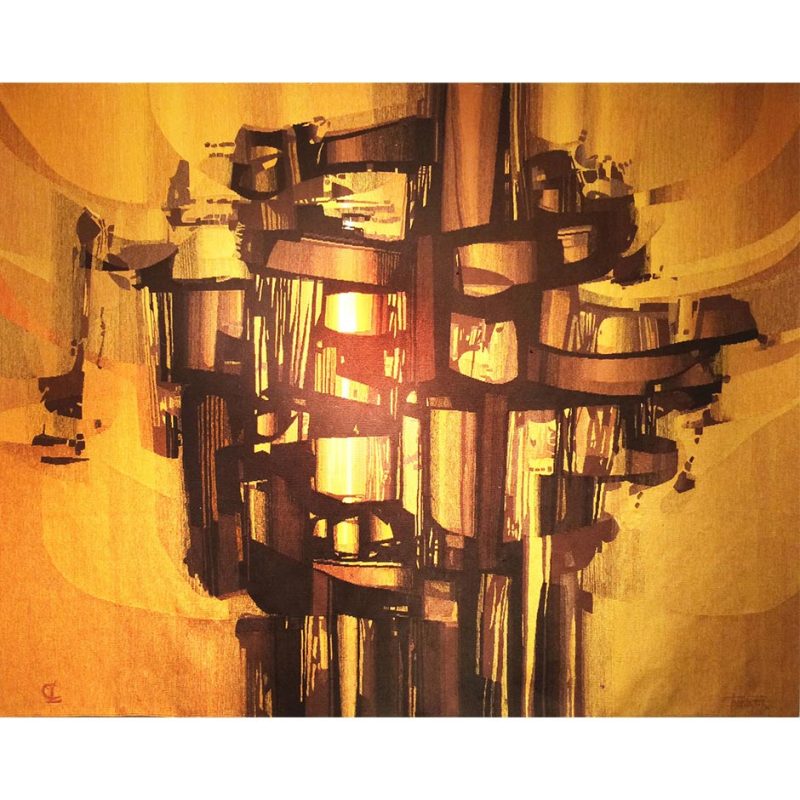
Marc Saint-Saëns
The postwar rebirth of French tapestry was shaped by artists like Marc Saint-Saëns. His artistic language combined abstraction with a strong sense of order and harmony. Saint-Saëns approached tapestry as a monumental art form, not merely a decorative one. His compositions use rhythm, color, and carefully balanced shapes to fill space with quiet intensity. He was deeply involved in the technical side of weaving, understanding how design and material had to work together. His tapestry work reflects a refined and thoughtful modern sensibility rooted in the French tradition.

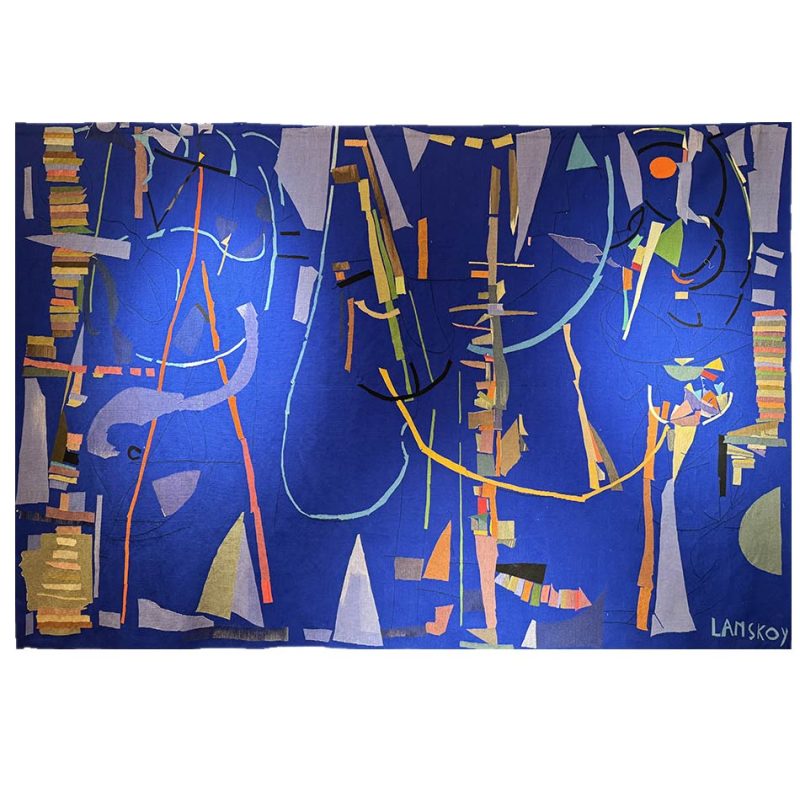
André Lanskoy
After abandoning figuration, André Lanskoy devoted himself to building images from shifting planes and dense forms. His work often feels spontaneous yet carefully constructed, with forms that seem to push and pull across the surface. In tapestry, those overlapping structures take on a softer, more physical presence. Wool gives weight to his dense compositions while preserving their sense of motion. His textile works reflect the same restless, exploratory spirit that defines his painting.
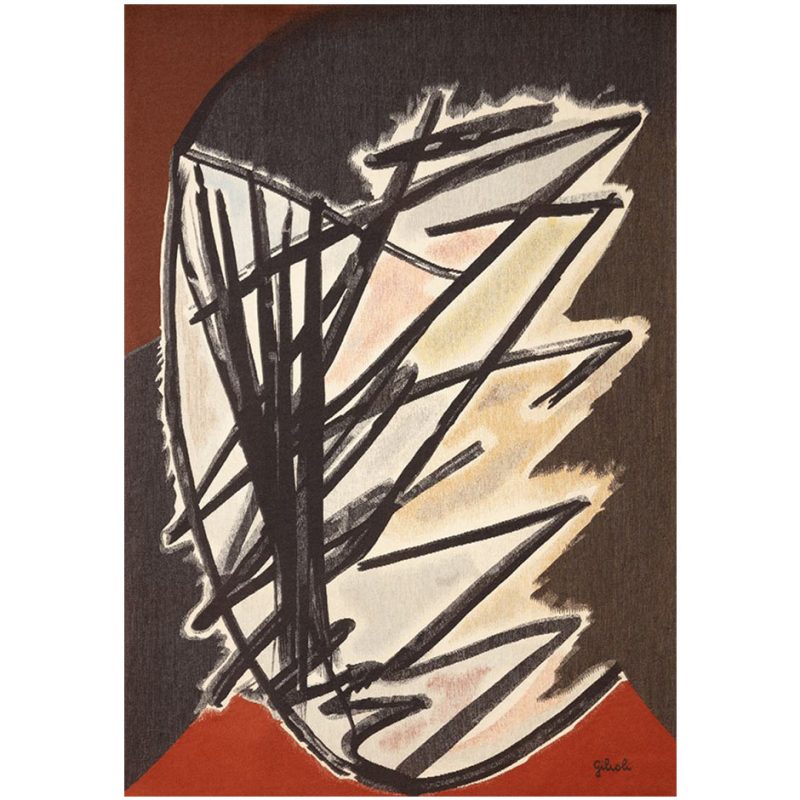
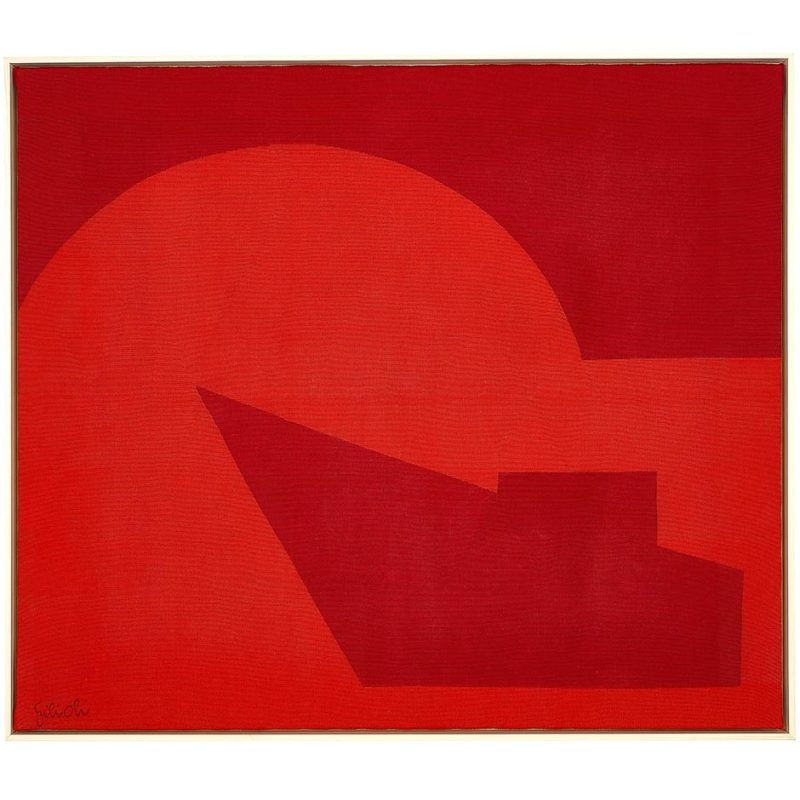
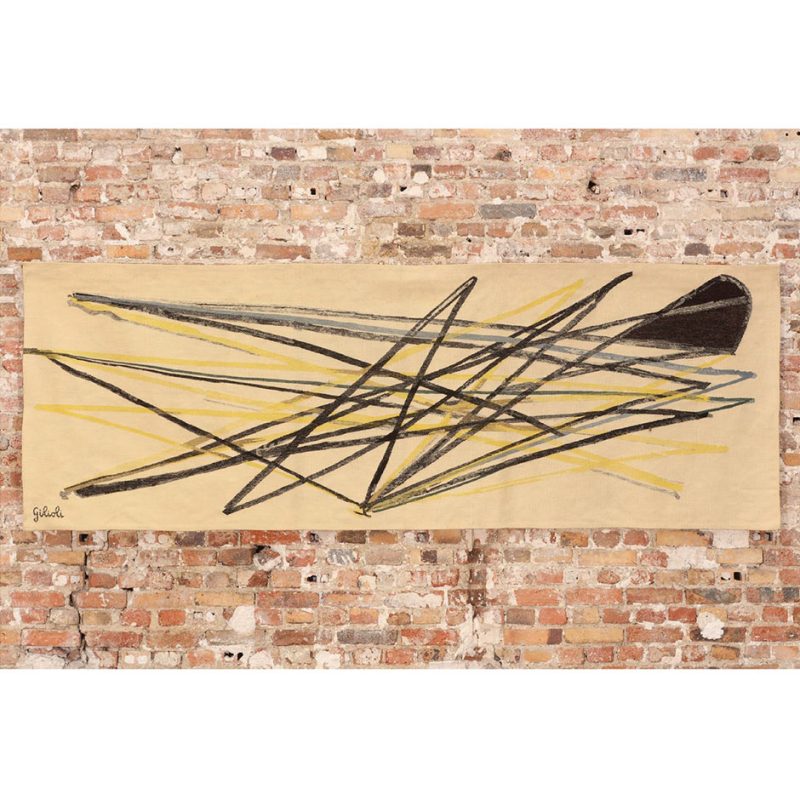
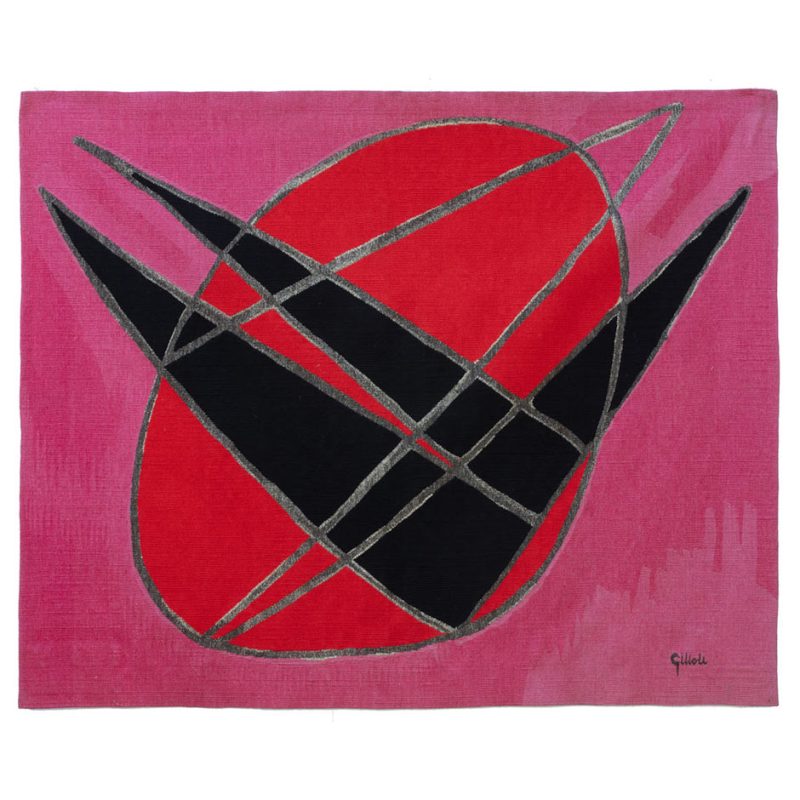
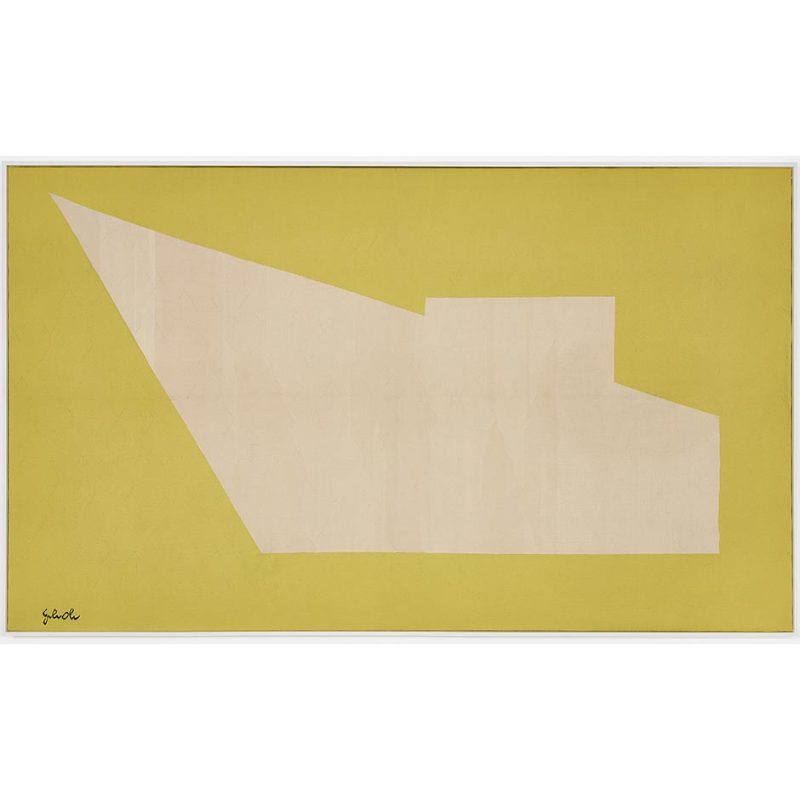
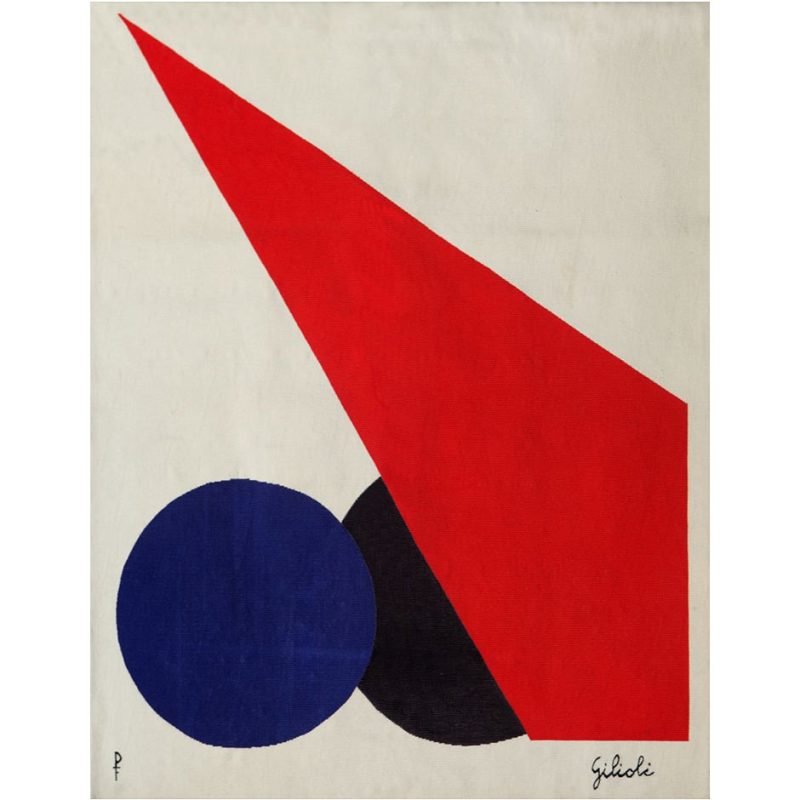
Emile Gilioli
Émile Gilioli was a sculptor whose work was shaped by a lifelong search for purity, balance, and quiet strength. His forms are often reduced to simple, flowing volumes that suggest the human figure, landscape, or architectural space. That sculptural thinking carries into his textile designs, where shape and proportion guide the composition. Wool gives his ideas a gentle physicality, turning carved form into something soft and atmospheric. Gilioli approached tapestry as another way to explore structure and harmony. His woven works reflect the same meditative clarity found in his sculpture.
Michel Seuphor
Michel Seuphor was as deeply engaged with ideas about art as he was with making it. He was a Belgian-born artist, critic, and writer who played a central role in the development of geometric abstraction in the 20th century. Closely associated with the De Stijl and abstract movements, he believed in clarity, order, and the expressive power of line. His own work reflects this philosophy through carefully structured compositions and restrained visual language. In tapestry, those linear ideas become more tactile and architectural. The woven surface gives weight to his quiet, deliberate forms. His textile designs extend his lifelong commitment to abstraction into a more material space.
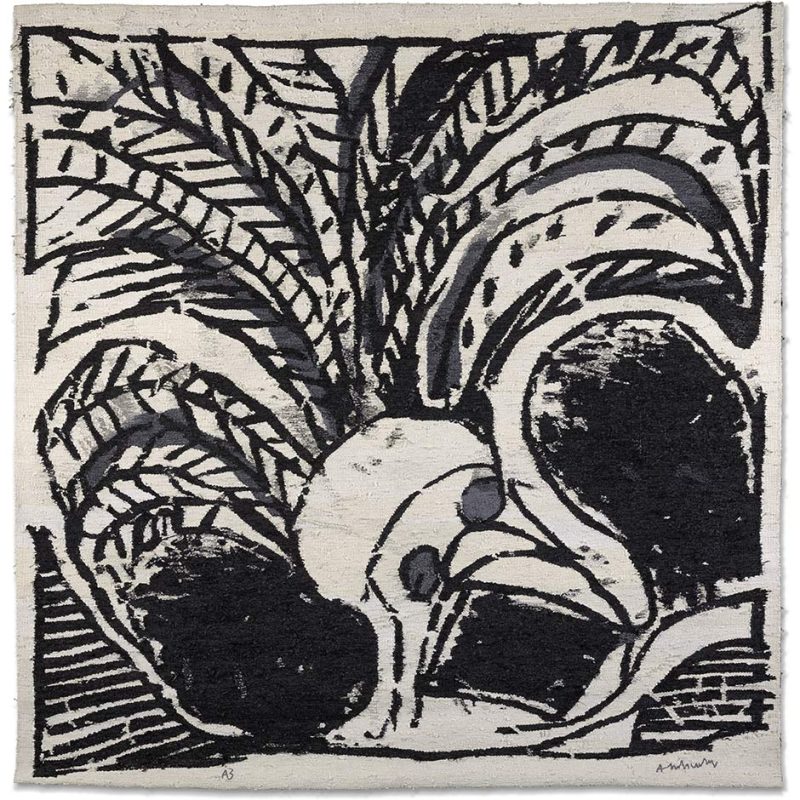
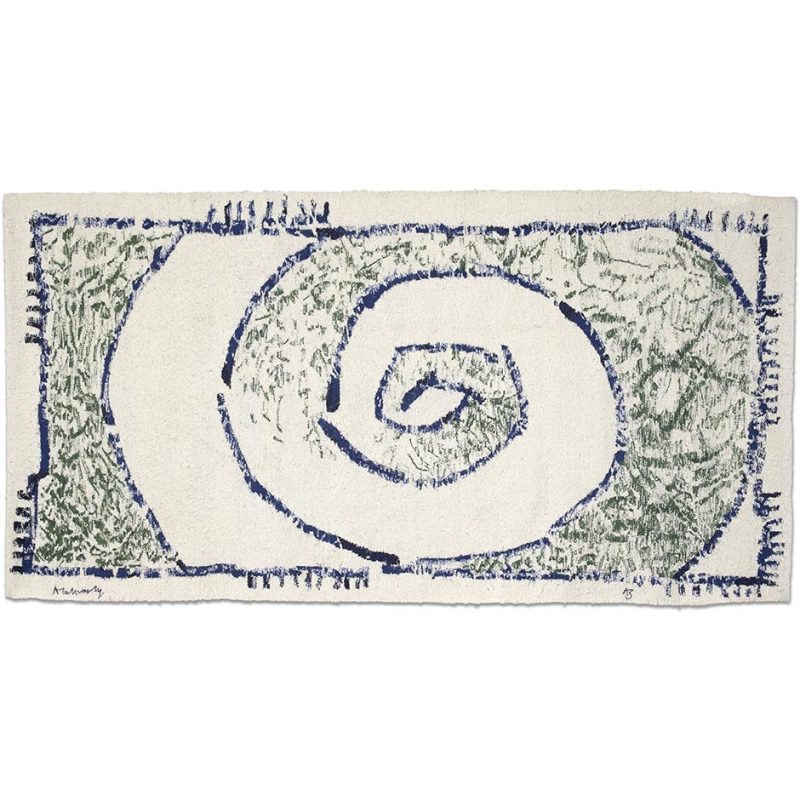
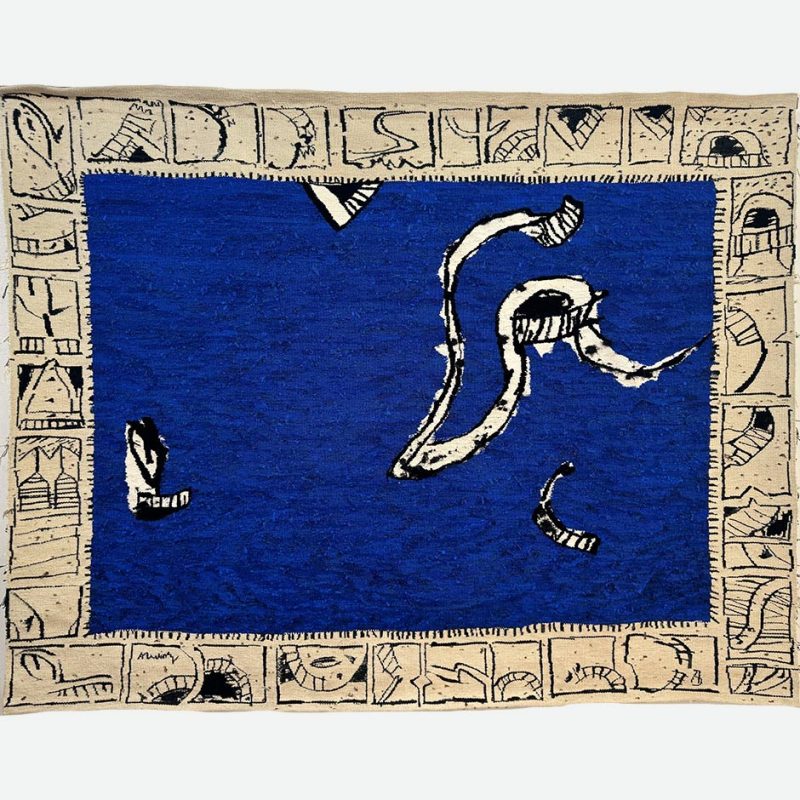
Pierre Alechinsky


Learn more about the collection
The Modern Masters Tapestries Gallery boasts an unparalleled expertise and knowledge in the realm of modern tapestry, enabling us to present to you today an exclusive collection of tapestries. This selection features the most significant tapestries created by renowned artists of the 20th century, including Alexander Calder, Fernand Léger, Vassily Kandinsky, Sonia Delaunay, Victor Vasarely, Le Corbusier, Mathieu Matégot, Jean Lurçat, Émile Gilioli, Vincent Guignebert, and many others. Each piece in our curated collection embodies the innovative spirit and artistic vision of these 20th-century masters. Daring compositions, vibrant colors, and time-honored techniques converge to produce authentic works of art that we proudly label “modern tapestries.”
At the dawn of the 20th century, tapestry witnessed a remarkable resurgence under the influence of Jean Lurçat, who ignited a dynamic movement. He revitalized the Aubusson workshops, infusing tapestry with modern sensibilities. It’s no exaggeration to speak of a “school of Jean Lurçat.” From this pivotal moment, numerous artists embraced tapestry, creating works specifically for this medium: Mathieu Matégot, Sonia Delaunay, Victor Vasarely, Alexander Calder, Fernand Léger, Wassily Kandinsky, Marc Saint-Saëns, Dom Robert, André Borderie, and Le Corbusier.
In the post-war era, fueled by the efforts of several galleries, tapestries gained widespread popularity, embodying the essence of French art de vivre. The world’s most renowned interior designers incorporated them into their creations, elevating tapestry to unprecedented heights.
Today, modern tapestry has firmly established its position within the decorative arts.
The Modern Masters Tapestries Gallery was a pioneer in showcasing its tapestries in its galleries and salons, often pairing them with antique tapestries, further enhancing the significance of modern tapestries.
Presently, we continue to uncover artists who had remained in obscurity, artists who have not yet received the recognition they deserve. The Modern Masters Tapestries Gallery is proud to contribute to this renaissance.
You’ll have the opportunity to encounter these tapestries at prestigious exhibitions such as Masterpiece in London, PAD Paris, Fine Art Asia, Art Los Angeles, and more.