
Emile Gilioli
Modern Masters Tapestries selection by Didier Marien
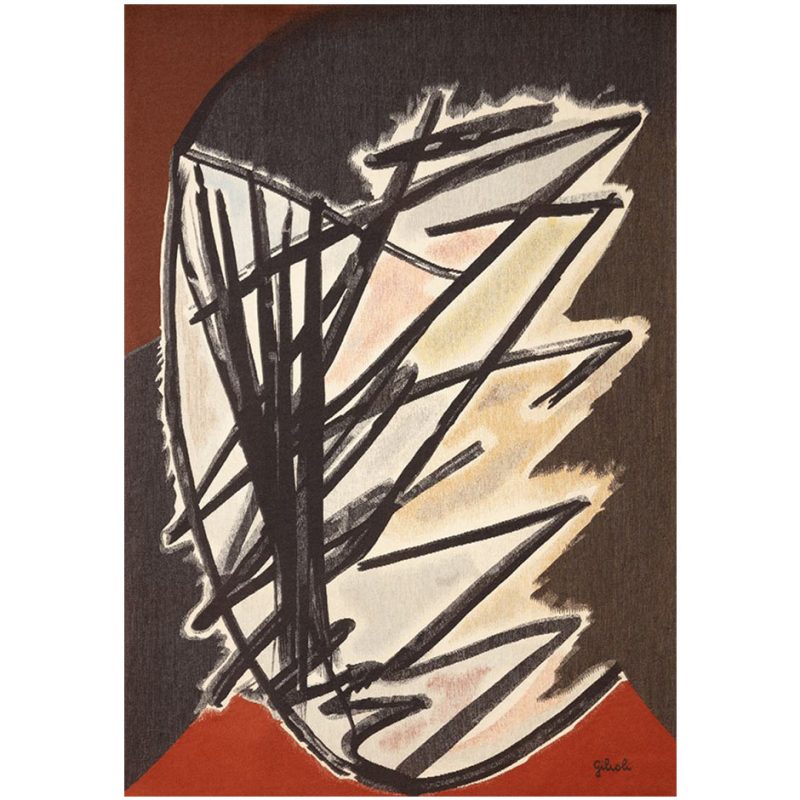
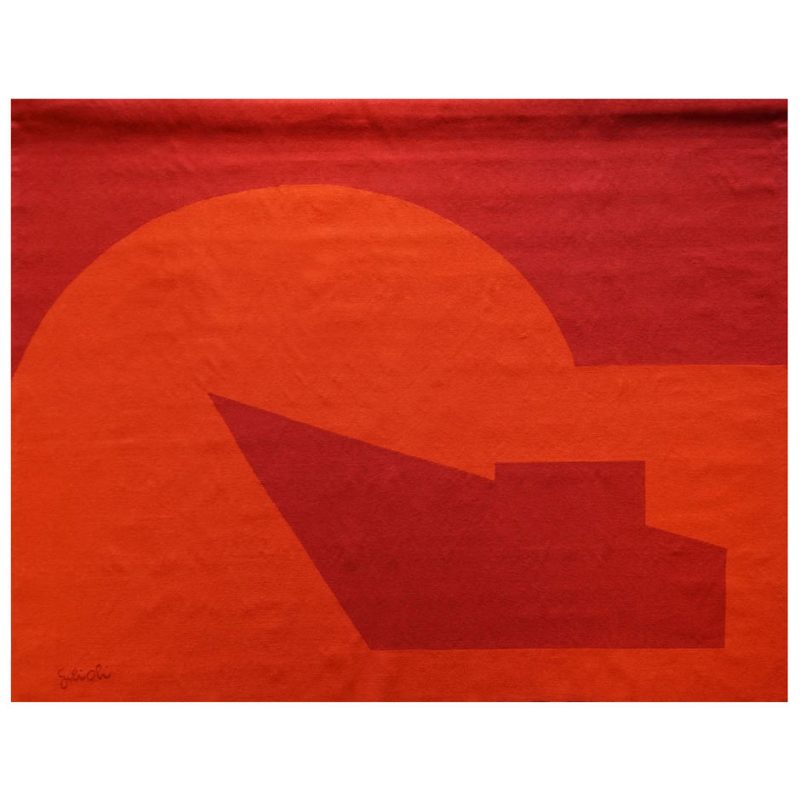
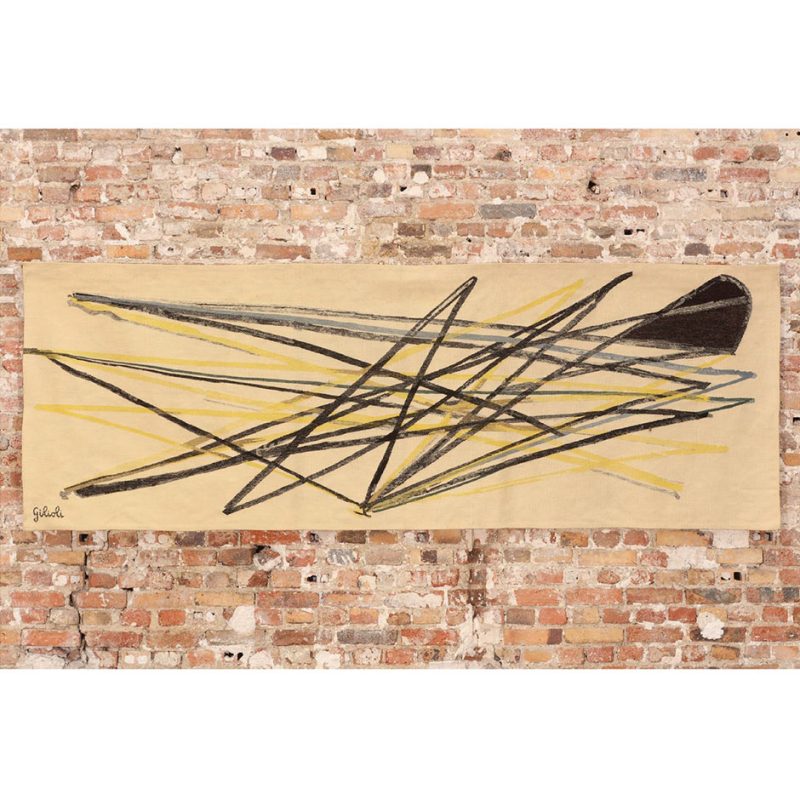
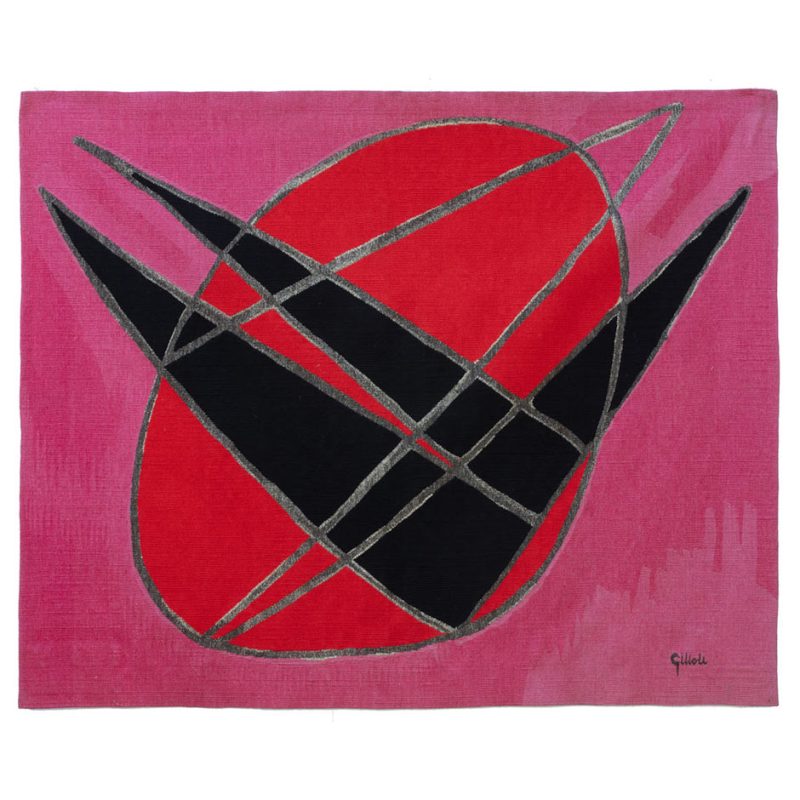
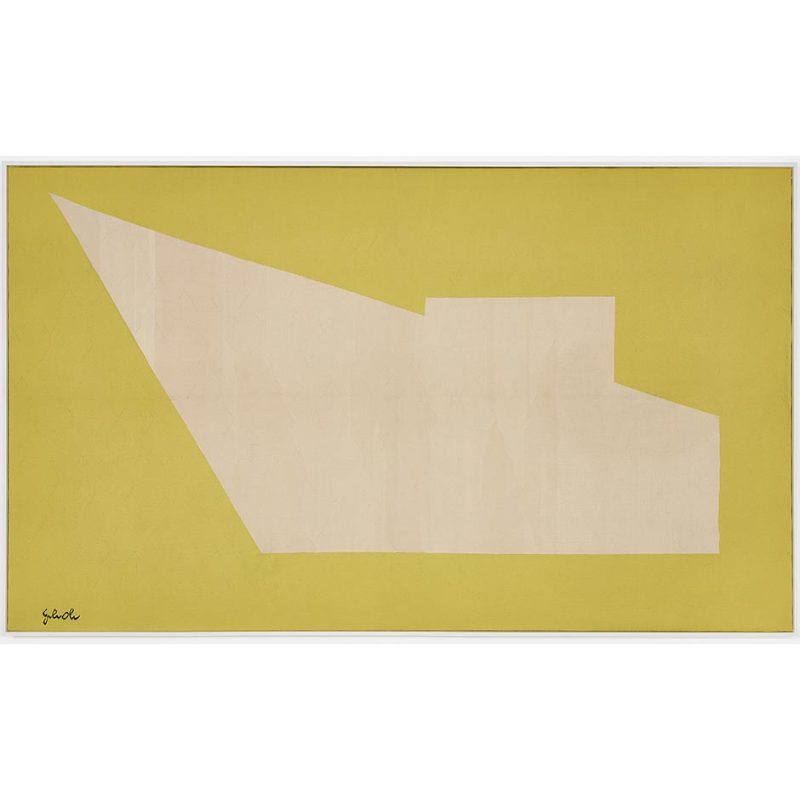
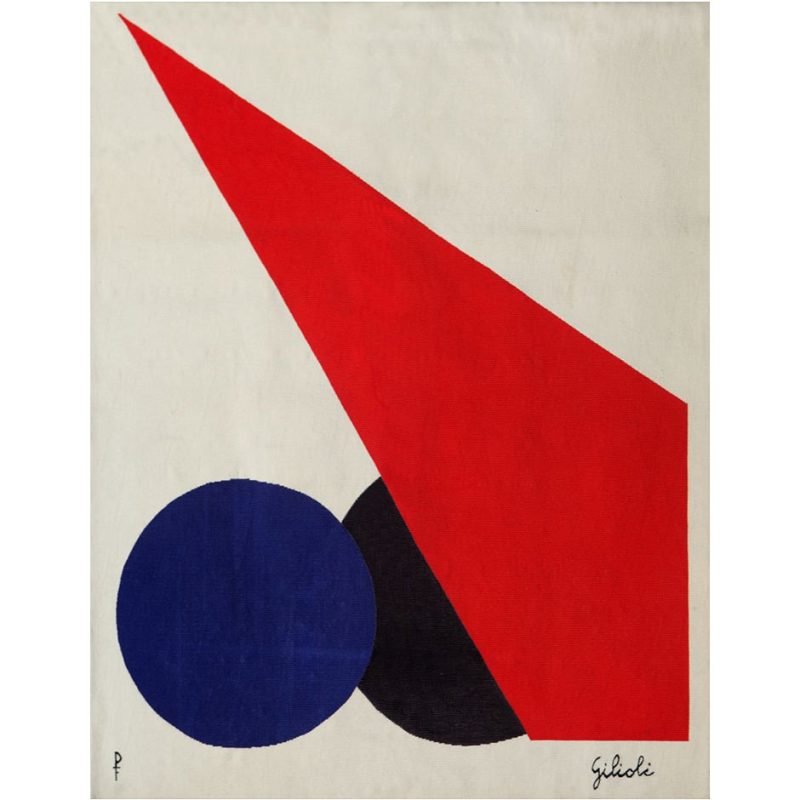
Learn more about the artist
Emile Gilioli Tapestries and Rugs
The Modern Masters Tapestries Gallery proudly presents a mesmerizing collection of tapestries and rugs, intricately woven to reflect the essence of Emile Gilioli’s sculptural masterpieces.
Didier Marien galleries houses a significant collection of Emile Gilioli’s sculptures and tapestries, offering a comprehensive exploration of this French Impressionist and Modern artist’s multifaceted oeuvre. Through a captivating interplay between the textile and sculptural realms, the gallery masterfully showcases the artist’s unique artistic vision.
Among Gilioli’s tapestries, the recurring classical motifs reflect his deep appreciation for traditional artistic elements. These works are characterized by a bold palette and geometric patterns, creating a harmonious balance between the artist’s abstract sensibilities and his grounding in classical forms.
Born in Paris in 1911, Emile Gilioli’s life was marked by a constant interplay between art and craftsmanship. His early exposure to forging and his subsequent training at the École des Arts Décoratifs instilled in him a deep understanding of materials and a meticulous attention to detail. At the age of 19, he entered the sculpture studio of Jean Boucher at the École des Beaux-Arts in Paris, further refining his technical skills and artistic sensibilities.
During World War II, Gilioli’s encounter with the art conservator Andry-Fracy in Grenoble proved pivotal in his artistic development. Andry-Fracy introduced Gilioli to the world of Cubism, particularly the work of Pierre Closon, a pioneer of abstract art. This exposure ignited Gilioli’s exploration of abstract forms, leading him to join the burgeoning abstract art movement in Paris upon his return in 1945.
Gilioli’s artistic journey was characterized by a remarkable consistency in form, material, and style. His sculptures and tapestries consistently revolved around the perfection of the egg shape or the polished pebble, embodying his unwavering pursuit of formal purity and elegance. This meticulous attention to form reflects Gilioli’s deeply rooted craftsmanship, which permeated his entire artistic practice.